







Unraveling the "Science of Spice" in Indian Cuisine - Dive into the art of flavor harmony and culinary magic!
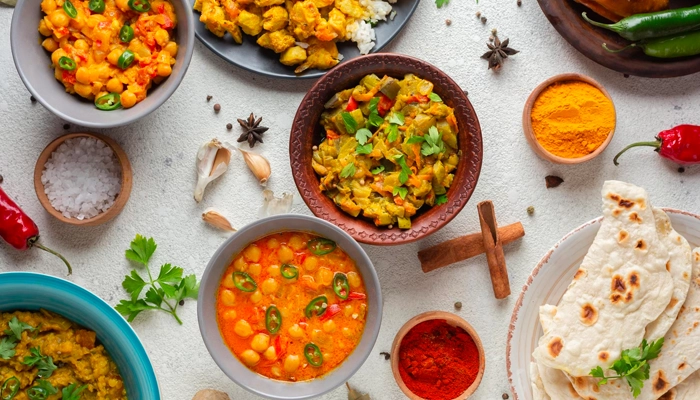
India's culinary landscape is a vibrant tapestry woven with threads of aromatic spices. From
the fiery depths of vindaloo to the subtle sweetness of kheer, the magic lies not just in the individual spices, but in the artful balancing of flavors.
Understanding this "science of spice" is key to unlocking the true potential of Indian cooking and creating dishes that dance on the palate.
It's about more than just adding a pinch of this and a dash of that; it's about knowing which spices complement each other, how they react to heat, and how they interact with the other ingredients in your dish. Fear not, aspiring chefs, for demystifying this complex world is entirely possible!
Balancing flavors in Indian cuisine like an orchestra of spices
Balancing flavors in Indian cuisine is like conducting an orchestra. Each spice plays a specific instrument, contributing to the overall harmony. The six basic tastes—sweet, sour, salty, bitter, pungent, and astringent—are skillfully employed.
Sweetness might come from jaggery or dates, sourness from tamarind or lemon, saltiness from rock salt, bitterness from fenugreek leaves, pungency from chilies or black pepper, and astringency from turmeric or asafoetida.
The trick is to ensure that no single taste overpowers the others, but rather that they work together to create a rounded and complex flavor profile.
A dish that leans too heavily on one taste, like being overly spicy, will be less enjoyable than one where the flavors are in perfect equilibrium, providing a sensory experience that delights the senses.
Ayurveda's "rasa" concept explains flavor balance for well-being
The concept of "rasa" in Ayurveda plays a significant role in understanding flavor balance. Rasa refers to the six tastes mentioned earlier and their impact on the body and mind. Each rasa is believed to have specific properties that can either balance or aggravate certain doshas (constitutions).
For instance, spicy food can be stimulating but, in excess, can increase pitta dosha leading to heat and acidity. A balanced dish, according to Ayurvedic principles, should incorporate all six rasas in appropriate proportions to promote well-being.
This ancient wisdom underscores the importance of mindful spice use, not just for taste but also for overall health. It's this holistic approach that elevates Indian cooking beyond mere sustenance and turns it into a nourishing and therapeutic experience.
Understanding individual spice characteristics leads to flavorful creations
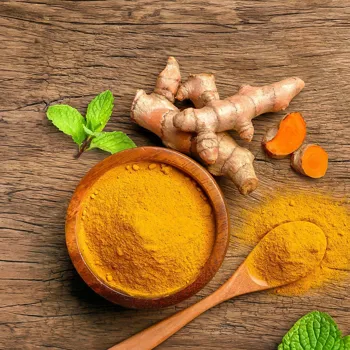
To truly master the art of spice balancing, one must understand the characteristics of individual spices. Turmeric, for example, offers a warm, earthy flavor and a vibrant color. Cumin provides a smoky, grounding note, while coriander adds a bright, citrusy touch.
Chili peppers, of course, bring the heat, and their intensity varies depending on the type. Cardamom offers a sweet, aromatic complexity, and cloves contribute a deep, warm, and slightly numbing sensation.
Understanding these individual profiles allows you to combine spices intelligently, creating layers of flavor that unfold on the tongue. Knowledge leads to the ability to experiment and create unique flavor combinations that excite your palate, leading to dishes better than you previously thought.
Timing of spice addition impacts dish flavor complexity
The order in which spices are added to a dish also significantly affects the final flavor. Whole spices, like cumin seeds or cardamom pods, are often tempered in oil at the beginning of cooking to release their aroma and infuse the oil with their flavor.
Ground spices are typically added later in the cooking process, as they can burn easily if exposed to high heat for too long. Delicate spices, like saffron or rose petals, are often added at the very end to preserve their fragrance and flavor. The timing adds layers of complexity.
To start with simpler spices means they are added early, ending with more complex and nuanced flavor additions.
Experiment with spice balancing for personalized taste in Indian cooking
Finally, remember that spice balancing is a highly personal and subjective process. What tastes balanced to one person may taste bland or overpowering to another. Don't be afraid to experiment and adjust the proportions of spices to suit your own preferences.
Start with a basic recipe and then gradually tweak the spice levels until you achieve the perfect balance for your palate. Keep notes of your experiments, so you can recreate your successful combinations and learn from your mistakes, soon creating wonderful dishes.
The joy of Indian cooking lies in its adaptability and freedom of expression, and the best way to learn is through practice and exploration.
AI Generated Content. Glance/InMobi shall have no liability for the content