


The Silent Heat Thief
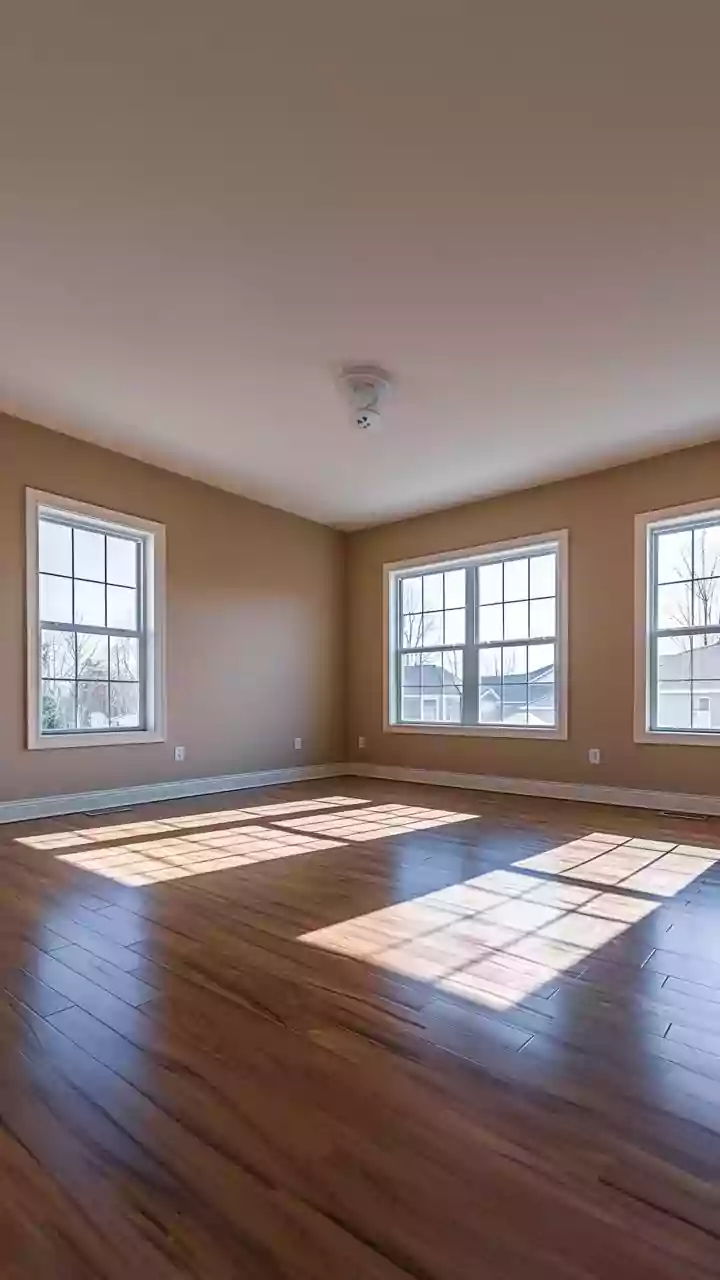
Even with windows shut tight, warmth can mysteriously vanish from your home. This isn't just about old frames; modern glass itself offers limited resistance
to the outside cold, acting like a conduit for your precious heat. Imagine paying for heating only for it to continuously seep towards the cooler glass surface. This constant thermal battle means your efforts to warm your living space are often undermined. While advanced solutions are being developed, sometimes the most effective answers are surprisingly basic, found in unexpected places like your garage, and cost a mere fraction of expensive renovations. It's a common issue, particularly during colder months, where the perceived security of locked windows doesn't translate to actual thermal efficiency, leading to discomfort and unnecessary energy expenditure.
Bubble Wrap: An Unlikely Hero
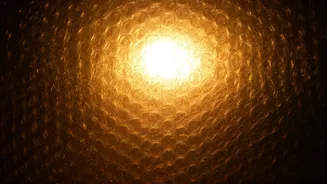
The humble bubble wrap, usually relegated to packaging fragile items, emerges as an unsung hero for home insulation. Its effectiveness stems from a simple scientific principle: the air trapped within its numerous small pockets. These air chambers create a highly porous structure that significantly impedes heat transfer, offering thermal protection similar to more complex materials. When applied to the interior of your window panes, bubble wrap acts much like a cost-effective double-glazing layer. The static air within the bubbles prevents convective currents from carrying warmth away from your body towards the cold glass. The remarkable part is that this effective insulation solution remains transparent, allowing natural light to still penetrate your rooms without compromising visibility.
Sealing the Gaps
Beyond the glass itself, even the tiniest, often unnoticed, gaps in window frames contribute significantly to heat leakage. Scientific research highlights that these small fissures can be responsible for a substantial amount of energy loss, potentially as much as 33% according to some studies. This emphasizes that window airtightness is as crucial as the glass type or frame material for preventing excessive energy consumption. Addressing these hidden leaks through sealing and employing airtight materials, such as window covers or specially designed insulating films, can drastically improve your home's thermal performance. Therefore, a holistic approach that considers both the glass and the integrity of the window installation is vital for maintaining a warm interior and reducing heating costs throughout the colder seasons.
Everyday Habits for Warmth
While bubble wrap offers a robust insulation hack, several simple daily practices can also contribute to a warmer home and lower energy bills. Interior window treatments, such as roller shades and Venetian blinds, can act as an additional layer of insulation. Keeping internal roller shades fully closed at night has been shown in trials to reduce window heat loss by over 11 percent. The key to their effectiveness lies in how snugly they fit against the window, which minimizes air movement between the shade and the glass. This simple, cost-free habit effectively prevents the cold pane from chilling the surrounding air, enhancing overall comfort during winter. Embracing these minor adjustments can collectively make a significant difference in your home's ability to retain heat.