





Necessity Drives Innovation
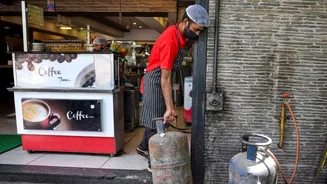
Widespread shortages of Liquefied Petroleum Gas (LPG) across India are compelling households to find ingenious methods for preparing daily meals. As gas
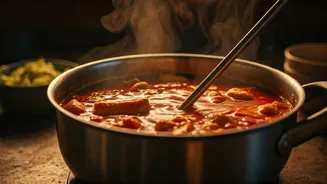
cylinders become increasingly difficult to obtain, families are resorting to alternative cooking techniques to keep food on the table. A recently circulating video offers a striking illustration of these lengths, showcasing a particularly unconventional approach to a common culinary task. This clip, initially shared on a popular social media platform by an individual identified as a project manager, began with a simple textual overlay: "Gas gone, heat rod on." The accompanying caption, a single word, "Technologia," hinted at the innovative, albeit surprising, solution being presented. The visual depicted a man in a basic kitchen setting, a pot filled with curry placed upon a stove. However, instead of igniting the gas burner, the man proceeded to submerge an immersion rod directly into the simmering curry. The footage then proceeded to show the curry gradually heating and cooking, demonstrating the rod's functionality in this unintended application. Immersion rods are conventionally designed for heating liquids such as water for bathing or cleaning purposes, not for direct application to food preparation. Nevertheless, the prevailing circumstances are clearly pushing the boundaries of traditional cooking methods, highlighting the adaptability of individuals when faced with resource scarcity.
Social Media Reacts
Predictably, the unusual cooking method captured in the video ignited a significant conversation across social media platforms. The reactions were varied, encompassing a spectrum of emotions from outright amusement to genuine apprehension. One common humorous observation from a user quipped, 'Minto ka kaam ghanto mai,' referencing the perceived efficiency of the method. However, this lighthearted sentiment was quickly countered by more serious concerns regarding health and safety. A particularly cautionary comment highlighted the intended purpose of immersion rods, stating, 'Immersion rods are designed for heating water for bathing or cleaning, not for direct food preparation. This can cause severe stomach infections.' This sentiment was echoed by another user who urged caution, advising, 'Don’t eat food cooked in this style; this heater leaves residue after using for a while, so think before you act and always cook food on gas or with our primary Indian style by burning wood.' Amidst these warnings, some users injected further levity, with one remarking, 'People before the induction stove was invented,' drawing a parallel to earlier eras of cooking technology. The debate underscored the divide between those who saw a clever workaround and those who prioritized established safety protocols.
Adapting to Scarcity
This viral video serves as a microcosm of the broader strategies households are employing to navigate the ongoing LPG scarcity. With the availability of cooking gas dwindling, communities are actively exploring and adopting a range of alternative cooking solutions. These adaptations include a return to more traditional methods, such as utilizing wood-fired stoves, which offer a reliable, albeit labor-intensive, source of heat. Simultaneously, there's an increased reliance on modern electric appliances, many of which are proving to be viable substitutes for gas-based cooking. Beyond these more involved methods, many families are also simplifying their meal planning by opting for 'no-cook' meals that require minimal or no preparation, thereby reducing their dependence on any cooking fuel. This shift reflects a broader societal resilience and ingenuity in the face of unexpected resource limitations, demonstrating how essential needs can drive innovation and a re-evaluation of conventional practices.
Mealtime Evolution
The impact of the LPG shortage extends beyond just the methods used for cooking; it's fundamentally altering the types of meals being prepared and consumed. Families are strategically selecting dishes that require less cooking time, thereby conserving fuel and expediting the meal preparation process. This inclination towards quicker meals means that even staple beverages like tea are sometimes being substituted with faster alternatives, such as simple lemon water, to reduce the need for sustained heating. This evolving culinary landscape highlights how resource constraints can lead to significant shifts in daily routines and dietary habits. The emphasis is shifting towards efficiency and simplicity, reflecting a pragmatic approach to ensuring sustenance amidst challenges. It’s a subtle but significant transformation in how meals are conceived and executed in many Indian households during this period of fuel scarcity.