
Embracing the Winter
Winter often calls for foods that provide warmth and comfort. One of the best options to savor during this season is halwa, a sweet dish deeply rooted
in Indian culinary traditions. Halwa, in its various forms, offers a symphony of textures and flavors, from the nutty heartiness of Kuttu (Buckwheat) Halwa to the gentle sweetness of pumpkin-based varieties. The preparation of halwa is relatively simple, allowing home cooks of all skill levels to create delightful treats. The array of options makes it an exciting culinary adventure, with each ingredient bringing its own unique charm. It’s a wonderful opportunity to explore different flavors, and it’s a perfect option to share and enjoy the warmth of winter with friends and family.
Kuttu (Buckwheat) Halwa
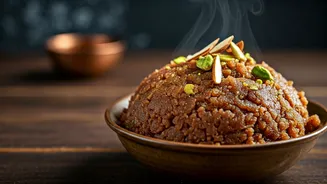
Kuttu Halwa, made from buckwheat flour, stands out as a delicious and satisfying choice during the winter season. Often associated with fasting periods, it's a versatile dessert that provides both warmth and energy. The preparation involves roasting the buckwheat flour until it develops a nutty aroma, which enhances the flavor of the halwa. This process is key to achieving the dish's distinct taste. The roasted flour is then cooked with ghee, sugar, and water, creating a thick, pudding-like consistency. The dish is known for its ability to keep you feeling full and satisfied. Often garnished with nuts like almonds or cashews, Kuttu Halwa presents a delightful blend of textures and flavors. Its comforting warmth and nourishing ingredients make it a fantastic choice for those chilly winter days.
Lauki Halwa: Refreshing Twist
Lauki Halwa, prepared with bottle gourd (lauki), brings a refreshing twist to the winter dessert menu. This halwa offers a lighter, less dense alternative. The preparation starts with grating the bottle gourd, which is then cooked with milk and sugar, resulting in a soft and creamy texture. The cooking process allows the lauki to soften and absorb the flavors of the other ingredients. Often infused with cardamom for added aroma, Lauki Halwa provides a subtle sweetness and delicate flavor. Garnishing with nuts adds a contrasting crunch. It’s a great choice for those seeking a less heavy dessert without sacrificing flavor. Its refreshing taste and unique texture provide a delightful experience, making it a perfect winter dessert.
Amaranth Halwa: Nutritious Delight
Amaranth Halwa presents a nourishing and flavourful option for winter indulgence. Amaranth, also known as 'rajgira,' is a nutritional powerhouse, offering essential nutrients and a slightly nutty taste. The preparation of amaranth halwa typically begins with roasting amaranth flour. This is then combined with ghee, sugar, and milk to create a rich and satisfying dessert. The roasting process helps to unlock the natural flavours of the amaranth. The use of ghee contributes to a velvety texture, and the milk adds creaminess, resulting in a balanced dessert. Garnishes such as almonds or pistachios add a delightful crunch. This halwa is a great option for health-conscious individuals seeking a delicious, warm treat. Its unique taste and nutritional benefits make it a must-try dessert.
Pumpkin Halwa: Festive Flavor
Pumpkin Halwa is a vibrant and flavorful dessert often prepared during the winter season, bringing a touch of festive cheer. The bright orange hue of the pumpkin adds to its visual appeal, while its subtle sweetness provides a delightful taste. The preparation starts with cooking the pumpkin, either grated or pureed, with ghee, sugar, and spices like cardamom. The cooking process intensifies the pumpkin's natural flavors, creating a smooth, rich texture. Nuts, such as cashews and raisins, are often added for a delightful crunch and added taste. The warm spices and the inherent sweetness of pumpkin create a warming and comforting experience. Pumpkin Halwa embodies the spirit of the season, bringing joy with every bite.
Channa Dal Halwa
Channa Dal Halwa is a traditional dessert known for its rich and substantial nature. Made from channa dal (split chickpeas), this halwa provides a unique texture and flavor. The process usually begins with soaking and grinding the channa dal to create a coarse paste. This paste is then slow-cooked in ghee, sugar, and milk until it reaches a thick, pudding-like consistency. The slow cooking process is critical for developing the rich, deep flavor of the channa dal. The cooking time also ensures the halwa develops its perfect texture. Infused with cardamom and sometimes garnished with nuts, Channa Dal Halwa is an indulgence, providing a delightful combination of taste and textures. Its creamy, nutty flavour makes it a popular option for special occasions and winter celebrations.
Ragi Halwa: Wholesome Choice
Ragi Halwa, crafted from ragi (finger millet) flour, is a nutritious and comforting treat that is easy to make. This halwa offers a slightly earthy taste and a wealth of health benefits, especially during the cold winter months. Ragi flour is first roasted, often in ghee, to bring out its natural flavors and aromas. This roasted flour is then combined with water, sugar, and sometimes milk to achieve a thick, pudding-like consistency. The roasting process contributes to the halwa's distinct taste. The use of ghee gives a richness and smoothness. Ragi's high fiber content makes this halwa a satisfying and healthy option. It can be further elevated with chopped nuts. Its satisfying texture and taste make it a perfect choice for anyone looking for a wholesome winter dessert.