





Natural Fabric Focus
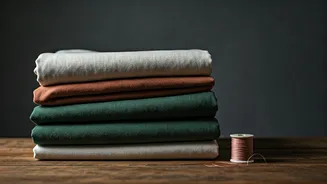
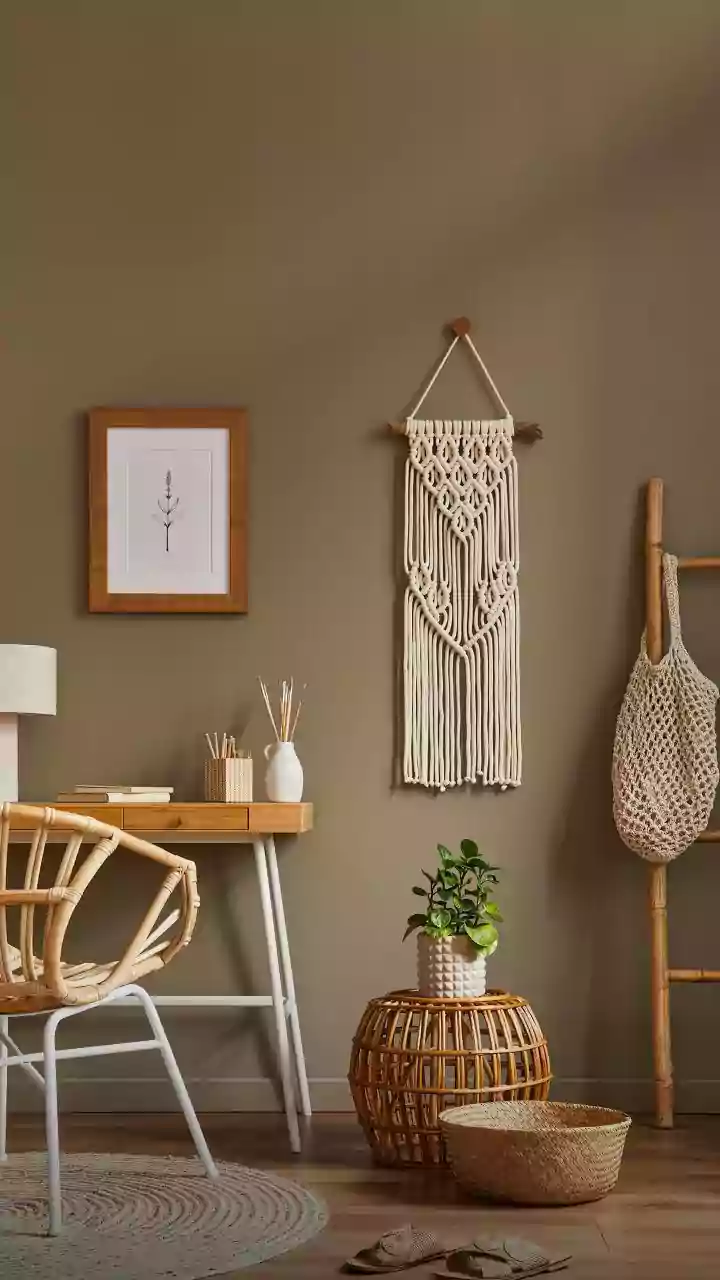
Embrace sustainability by opting for natural textiles in your home decor. Replacing synthetic materials like polyester or nylon with breathable options
such as cotton, linen, or khadi for your curtains, cushion covers, and upholstery can significantly improve indoor air quality. Beyond the environmental benefits, these organic fabrics add a touch of earthy warmth and texture to your living space, contributing to a healthier and more aesthetically pleasing environment. This conscious choice reduces reliance on petroleum-based products and supports more sustainable production methods, aligning your home with an eco-friendly ethos.
Bring Greenery Indoors
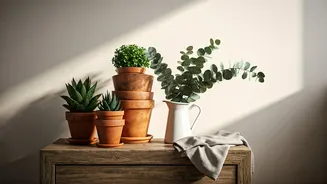
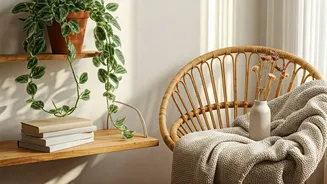
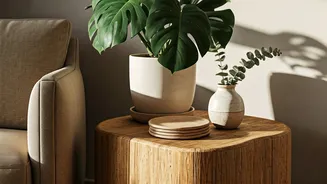
Infuse your home with life and improve its air quality by incorporating indoor plants. Beyond their aesthetic appeal, greenery acts as a natural air purifier, filtering out common indoor pollutants and releasing fresh oxygen. Simple additions like potted plants on windowsills, hanging baskets, or a small indoor herb garden can dramatically enhance the ambiance of any room. This easy yet impactful upgrade not only beautifies your space but also fosters a connection with nature, contributing to a more serene and healthy living environment. The vibrant colors and organic shapes of plants add a dynamic element to your decor.
Smart Lighting Choices
Optimize your home's energy consumption by switching to LED lighting solutions. Traditional incandescent bulbs are notoriously inefficient, consuming far more electricity than necessary. By upgrading to LED bulbs, you dramatically reduce your energy usage, which in turn lowers your carbon footprint. This not only benefits the environment by decreasing demand on power grids but also leads to significant savings on your electricity bills. The improved efficiency of LEDs also means less heat is generated, further contributing to a cooler and more comfortable indoor climate, making it a win-win for your wallet and the planet.
Furniture Restoration Revival
Give your existing furniture a new lease on life through restoration rather than replacement. Before investing in new, potentially disposable pieces, explore the potential of your current furniture. A fresh coat of polish on wooden items, reupholstering worn-out chairs, or even a creative DIY makeover can transform outdated items into stylish, functional additions to your home. This approach not only saves money but also significantly reduces waste by diverting usable items from landfills. It’s a deeply sustainable practice that honors the craftsmanship of older pieces and reduces the environmental impact associated with manufacturing new furniture.
Local & Handmade Decor
Support local artisans and reduce your environmental impact by choosing locally sourced and handmade decor items. Opting for products created by nearby craftspeople dramatically cuts down on the carbon emissions associated with long-distance transportation. Furthermore, handmade items often showcase unique designs and superior craftsmanship, adding character and authenticity to your home. This conscious consumer choice not only champions sustainable practices but also empowers local communities and preserves traditional skills. It’s a way to bring beautiful, meaningful pieces into your home while contributing positively to social and environmental well-being.
Mindful Consumption
Achieve true sustainability by embracing a minimalist lifestyle that combats excessive consumption. True eco-friendliness isn't about continually buying new 'green' products, but rather about making deliberate choices that minimize impact over the long term. This involves prioritizing quality over quantity, selecting fewer, more durable items that will stand the test of time. A minimalist approach encourages conscious living, helping you curate a space that feels authentic, grounded, and aesthetically rich by avoiding unnecessary clutter and waste. It's about intentionality and appreciating what you have.