






Home Monitor Accuracy
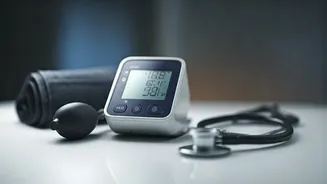
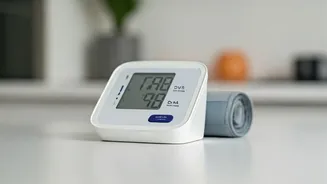
While home blood pressure monitors can be reliable tools, their accuracy hinges on correct usage. Many individuals inadvertently introduce errors that
lead to misleading results. Common mistakes include selecting a cuff that doesn't fit properly, failing to allow adequate rest time after physical activity, consuming caffeine, or smoking before a reading. Additionally, poor posture, such as not having back support or crossing legs, and talking during the measurement can significantly skew the numbers. For reliable readings, it's crucial to create a calm environment, take measurements at consistent times daily, and ensure the arm is positioned at heart level.
Consistent Tracking Methods
To effectively monitor your blood pressure over time, consistency is key. Aim to take readings at the same time each day; if your doctor advises twice daily, ensure you capture both morning and evening values. Within a single session, taking two readings and calculating the average can provide a more stable baseline. Maintaining a detailed log, whether digital or on paper, is invaluable. This log should include the date, time, and any relevant contextual information like stress levels, medication intake, or recent exercise. This comprehensive data allows your physician to perform a more insightful trend analysis, which is far more informative than isolated readings and aids in proactive health management.
Ideal Check Frequencies
For a healthy adult in their 20s or 30s with no pre-existing risk factors, a blood pressure screening every six to twelve months during regular check-ups is generally sufficient. However, individuals with identified risk factors such as a family history of hypertension, obesity, diabetes, or a sedentary lifestyle should increase their monitoring frequency. For these individuals, checking blood pressure every three to six months is advisable. This diligent approach to regular monitoring is paramount for the early detection of hypertension and plays a vital role in preventing serious health complications associated with uncontrolled high blood pressure.
When to Seek Help
Prompt medical attention is necessary if your blood pressure consistently registers above 140 mmHg systolic and 90 mmHg diastolic. Furthermore, any new or concerning symptoms like severe headaches, chest pain, shortness of breath, or visual disturbances warrant immediate consultation with a physician. Early intervention is critical, as it allows for the initiation of an appropriate treatment plan, which may involve lifestyle modifications or prescribed medication. Timely medical care can significantly reduce the risk of developing severe health issues such as heart disease, stroke, or kidney failure, thereby preserving overall well-being.
Understanding Silent Danger
High blood pressure, often termed the 'silent killer,' frequently offers no overt symptoms until it has reached an advanced, potentially dangerous stage. Most individuals with elevated blood pressure feel entirely normal and remain unaware of their condition. Symptoms like headaches or dizziness typically only manifest when blood pressure becomes extremely high or when significant complications arise from its prolonged effects. Because early warning signs are generally absent, elevated blood pressure is often discovered only through routine screenings or when a person seeks medical evaluation for an unrelated health concern, underscoring the importance of regular checks.