






The Silent Threat
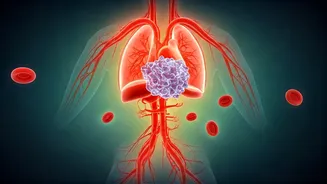
High blood pressure, or hypertension, is a pervasive global health issue affecting approximately 1.28 billion individuals, roughly one in five adults worldwide.
This condition often progresses for years without any noticeable symptoms, making it particularly insidious. People can carry on with their daily routines, unaware that their cardiovascular system is under immense strain, leading to potential damage to their heart and blood vessels. The alarming reality is that awareness of hypertension remains low, with only about 42% of affected adults knowing they have it. This lack of recognition is critical because hypertension is a major modifiable risk factor for cardiovascular diseases, contributing to around 10 million deaths annually and representing a significant portion of the global disease burden. Fortunately, hypertension is both preventable and treatable through lifestyle changes and medication, but early detection is paramount for intervention to be effective.
Home-Based Warning Signals
Hypertension is famously known as a 'silent condition' because it develops gradually over extended periods without overt symptoms that would cause immediate concern. Many individuals wrongly assume that having high blood pressure would make them feel unwell, but the initial indicators can be incredibly subtle, easily mistaken for everyday occurrences. Dr. P Ashok Kumar, a Senior Consultant in Interventional Cardiology, highlights that paying attention to minor shifts in our daily routines at home can be the key to identifying hypertension before it escalates into severe health problems. These subtle signs, often dismissed, can appear during common activities and are crucial for early detection and intervention, empowering individuals to manage their health proactively.
Morning Headaches
A persistent, dull, or throbbing headache, particularly upon waking in the morning, can be an early indicator of elevated blood pressure. While occasional headaches are common and can be attributed to factors like stress or insufficient sleep, recurrent morning headaches that feel heavy or pounding, especially at the back of the head, warrant attention. These symptoms might arise as blood pressure begins to increase. The fact that these headaches often diminish as the day progresses can lead to them being overlooked, as people tend to attribute them to the usual daily pressures or fatigue. However, their consistent appearance is a signal that your blood pressure might be running high, necessitating a check-up.
Unexplained Fatigue
Experiencing unusual or persistent tiredness, even after getting adequate sleep, can be another subtle sign of hypertension. When your blood pressure is high, your heart must exert significantly more effort to pump blood throughout your body. This increased workload can lead to a constant feeling of exhaustion. If you find that everyday tasks that were once manageable now leave you feeling drained or breathless, it could be a sign that your cardiovascular system is struggling. Such a persistent lack of energy, despite rest, suggests that your body might be under strain, and checking your blood pressure would be a prudent step.
Breathlessness During Daily Tasks
A noticeable increase in breathlessness during routine daily activities can signal underlying cardiovascular strain, potentially linked to high blood pressure. If you find yourself easily winded when climbing stairs, walking short distances, or even performing light housework, it suggests that your heart and blood vessels may not be functioning optimally. This difficulty in breathing during normal exertion is not something to ignore, as it indicates a potential issue within your circulatory system that requires medical evaluation. The body's reduced efficiency in oxygen delivery due to hypertension can manifest as shortness of breath.
Frequent Nosebleeds
While nosebleeds can occur for various reasons, including dry air or allergies, experiencing them with unusual frequency without a clear cause should raise concern, especially when other symptoms are present. High blood pressure can weaken blood vessel walls, making them more prone to rupture and causing spontaneous bleeding. If you find yourself having recurrent nosebleeds, particularly if they coincide with other subtle signs of hypertension, it's important not to dismiss them as minor inconveniences. This symptom could be a direct result of the elevated pressure within your vascular system, signalling a need for medical assessment.
Visual Disturbances
Vision problems, such as blurry vision or pressure around the eyes, can be early indicators of hypertension. When blood pressure is consistently high, it can negatively impact the delicate blood vessels within the eyes. This damage can lead to temporary visual disturbances, making it difficult to focus or perceive objects clearly. If you notice changes in your eyesight, such as sudden blurring or a feeling of pressure, it is advisable to get your blood pressure checked. These visual symptoms are a direct consequence of the strain high blood pressure places on the body's vasculature, including those in the eyes.
Sleep Irregularities
Many individuals struggling with hypertension report disturbances in their sleep patterns. This can manifest as difficulty falling asleep, frequent awakenings during the night, or noticeable snoring. Such sleep irregularities might be an indirect signal of underlying blood pressure issues. Conditions like sleep apnea are often associated with hypertension and can exacerbate its effects over time, creating a vicious cycle. Paying attention to changes in sleep quality and duration can offer crucial insights into your overall health, including potential cardiovascular concerns.
Chest Discomfort
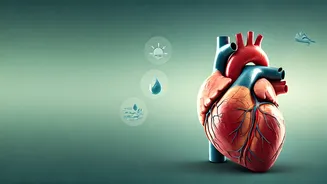
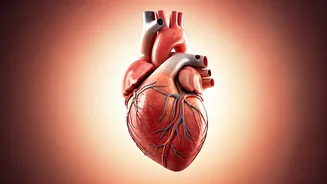
Experiencing chest pain or a feeling of tightness and discomfort, even if not severe, can be a significant early warning sign of heart-related issues, including those stemming from hypertension. While chest discomfort can have multiple causes, recurring episodes should never be taken lightly. If you experience chest pain on multiple occasions, it's crucial to seek medical advice for a thorough assessment. This symptom is directly related to the increased workload on the heart due to high blood pressure, which can lead to strain and pain in the chest area.
Managing Your Health
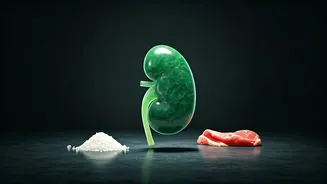
The most effective way to detect hypertension early is by regularly monitoring your blood pressure at home using a reliable device. Early diagnosis provides a crucial window of opportunity to implement lifestyle modifications, such as reducing salt intake, increasing physical activity, managing stress effectively, and prioritizing better sleep hygiene. Recognizing these subtle symptoms and acting promptly can help avert major health complications like heart disease, stroke, and kidney problems. Ultimately, by paying close attention to what your body is communicating through these subtle signs, you take a vital first step in safeguarding your long-term well-being.