






The Shift Away
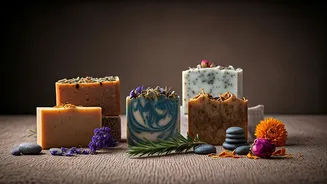
The personal care aisle has undergone a significant transformation over the past five years, with a noticeable surge in consumer interest towards small-batch,
artisanally crafted soaps. This trend isn't merely about aesthetics; it signifies a growing consumer consciousness regarding the ingredients found in conventional mass-produced products and their potential impact on both personal health and the planet. Data indicates a sharp increase in searches for natural skincare alternatives, pointing to a fundamental change in how individuals perceive the items they use daily. This move towards more natural self-care reflects a desire for transparency and a rejection of the complex, often unpronounceable ingredient lists found on many familiar plastic bottles. People are actively questioning what these chemicals do and seeking out alternatives that prioritize gentleness and sustainability.
Mass-Produced Problems
Commercial soaps, while readily available in vibrant packaging, often harbor ingredients that can be detrimental to skin health. Synthetic fragrances, sulfates, and a host of unidentifiable chemicals are common culprits, leading to dryness, irritation, and potential allergic reactions. These harsh detergents strip the skin of its natural oils, disrupting its delicate balance. Furthermore, the preservatives used to extend shelf life may come at the cost of skin well-being. Beyond the formulation, the packaging of these products, typically plastic bottles and tubes, contributes significantly to environmental waste, ending up in landfills with every use. Consumers are increasingly scrutinizing these ingredient lists, questioning the necessity of artificial colors and the potential harm from mysterious 'fragrance' components.
Artisanal Advantages
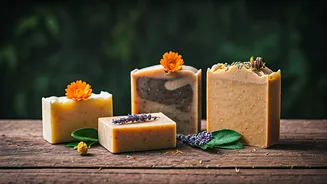
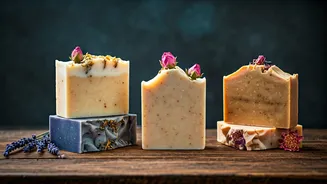
In contrast, handcrafted soaps offer a refreshing alternative by prioritizing natural oils, plant-based components, and essential oils for scent. Many small-batch producers opt for paper wrapping or entirely package-free options, drastically reducing plastic waste. The ingredients are frequently ethically sourced, supporting sustainable agricultural practices rather than industrial methods. This artisanal approach allows makers complete control over each ingredient, eliminating the need for harsh chemicals to accelerate production or artificial preservatives. The result is a fresh, gentle soap made with intention, offering transparency that resonates with today's discerning consumers. This focus on natural formulations and eco-friendly packaging addresses concerns about both skin health and environmental impact.
Choosing Wisely
Selecting a quality handcrafted soap involves paying attention to a few key elements. Begin by examining the ingredient list, prioritizing natural oils such as olive, coconut, shea butter, or jojoba, which nourish and moisturize without stripping the skin. Opt for essential oils for natural fragrance, like lavender for relaxation or citrus for an uplifting scent, as they are less likely to cause irritation than synthetic perfumes. Avoid ingredients like sulfates (e.g., sodium lauryl sulfate), 'fragrance' or 'parfum' without further specification, and artificial colors, as these offer no skin benefits and may be harmful. Consider your skin type: dry skin benefits from oils like avocado or shea butter, while oily or acne-prone skin may do well with tea tree oil or activated charcoal. Sensitive skin requires the gentlest, minimal-ingredient formulations.
Beyond Ingredients
When choosing a handcrafted soap, it's also important to consider the maker's practices and values. Look for brands that prioritize responsible ingredient sourcing and employ sustainable packaging solutions. Many small-batch soapmakers are committed to environmental stewardship, offering consumers an opportunity to align their purchasing decisions with their personal ethics. The way your skin feels after washing is a crucial indicator of soap quality; it should feel clean and comfortable, not tight, red, or itchy. This thoughtful approach to product creation, from ingredient selection to packaging, underscores the growing appeal of artisanal soaps as a conscious choice for both personal well-being and planetary health, marking a significant departure from the dominance of mass-produced alternatives.