





Space is Strategic, Not Given
The feeling of spaciousness in a 200 sq ft dwelling is less about inherent size and more about deliberate design decisions. It's a misconception that small
homes are inherently limiting; with a mindful approach, they can offer a refreshing sense of calm and order. The key lies in prioritizing light, optimizing layout, and exercising restraint in what you keep. While a compact home requires more meticulous planning, the rewards are significant. It's about transforming limitations into opportunities, ensuring that even the smallest apartment feels like a welcoming sanctuary where one can truly relax and thrive. The core principle is that thoughtful arrangement and visual tricks can dramatically alter how one experiences a confined area, making it feel open and airy rather than cramped and claustrophobic.
Declutter for Illusion
Achieving a sense of expansive living in a small home hinges on impeccable organization, not emptiness. The goal is to cultivate an environment that feels orderly and deliberate, rather than sparse. A crucial tactic involves keeping surfaces clear and storing items out of immediate view whenever possible. Employing clever storage solutions such as decorative baskets, under-bed drawers, and discreet compartments is vital. The less visible clutter there is, the more expansive the room will appear. However, it's also important to retain a few personal touches; a well-placed plant, a cherished framed photograph, or a piece of small art can infuse warmth and personality, preventing the space from feeling sterile. A simple heuristic to live by is that any item that doesn't contribute either function or personal joy is essentially occupying valuable space and should be reconsidered. This curated approach ensures that the home feels lived-in yet impeccably managed.
Mastering Vertical Space
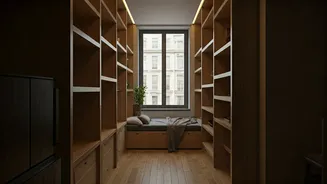
When floor area is at a premium, your walls transform into prime real estate. However, haphazardly filling them can be counterproductive. Instead, think in layers. Install open shelving higher up for items that aren't accessed daily, freeing up lower areas for everyday essentials at eye level. This strategy keeps the lower portion of the room feeling visually lighter. Furthermore, extending shelves right up to the ceiling can create an illusion of increased height, making the room feel taller, not smaller. The critical factor here is maintaining neatness and avoiding overcrowding on these vertical surfaces. A cluttered wall, much like a cluttered floor, has the power to visually shrink a space dramatically.
Color to Expand Rooms
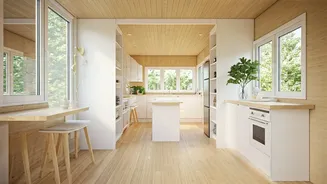
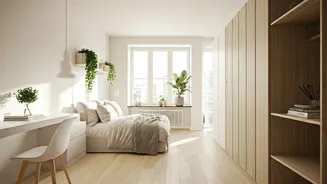
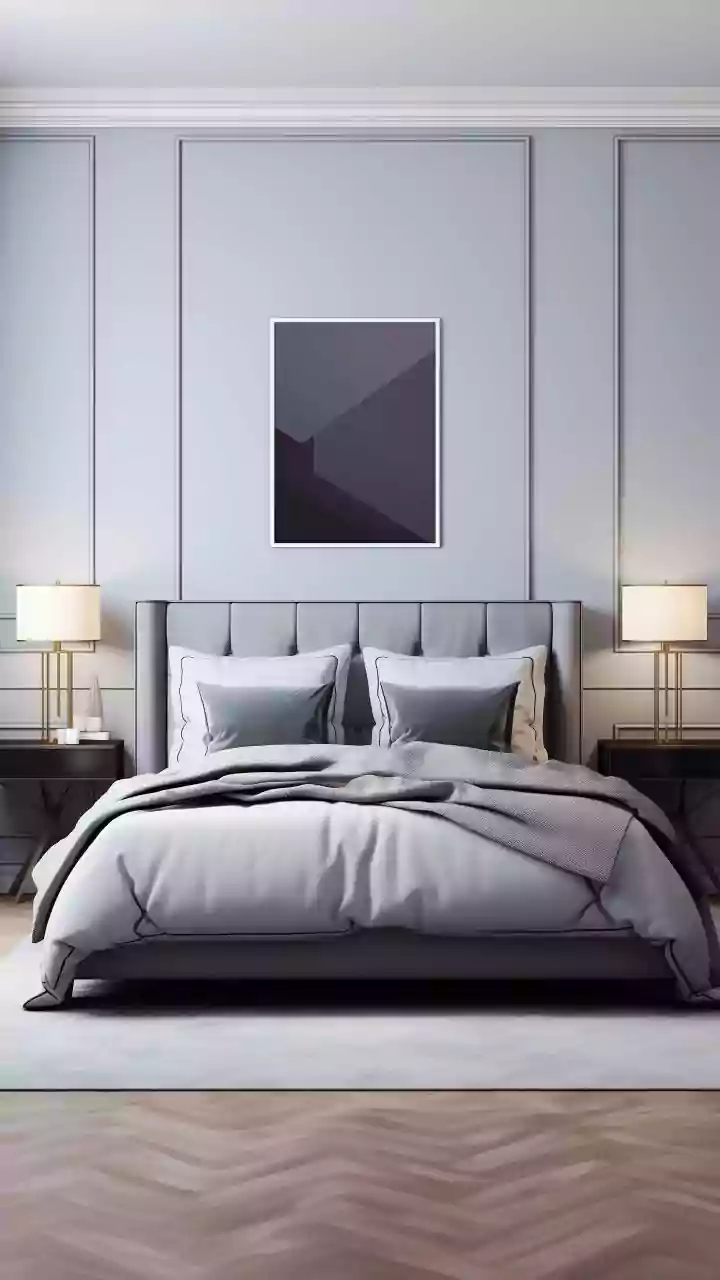
Light-hued color palettes are instrumental in making smaller rooms feel more open and airy, as they effectively reflect more light. Consider shades like off-white, soft beige, gentle grey, or muted pastel tones, which are excellent choices for compact living environments. This doesn't mean you must forgo character; a single accent wall or a subtly textured surface can introduce personality without overwhelming the senses. The utmost importance lies in maintaining a consistent color scheme. Introducing too many disparate colors can disrupt the visual flow, leading to a perception of reduced space. A limited, cohesive palette fosters a sense of calm and continuity, allowing the eye to move smoothly through the environment.
Let the Eye Travel
The perception of spaciousness in a 200 sq ft home is significantly influenced by how the eye navigates the space. Clutter, abrupt visual barriers, and poorly arranged furniture tend to fragment the visual field, making the room feel smaller. To counteract this, prioritize open sightlines. Opt for lower-profile furniture, avoid imposing dividers, and arrange key pieces along the walls to create a clear path. Even leaving a section of a wall unadorned can contribute to a sense of depth. Architects often note that a room feels larger when the eye can move unimpeded. If zoning is necessary, consider using glass partitions or sheer curtains instead of solid walls; these define areas without obstructing the visual flow, maintaining an open and connected feel throughout the space.
Light as a Structural Element
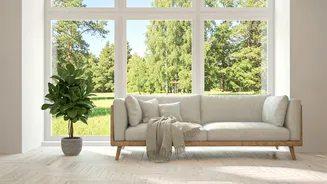
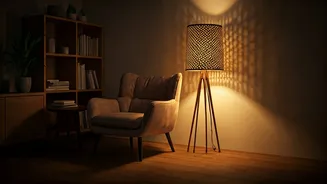
Effective illumination is paramount in creating a sense of spaciousness, far more so than mere decoration. A well-lit room invariably feels larger than a dimly lit one. Harnessing natural light is the most effective approach, so avoid obstructing windows with heavy drapes or bulky furniture. Strategic placement of mirrors can also work wonders; a mirror positioned opposite a window will amplify and reflect light, effectively extending the visual perspective and making the room appear nearly double its size. This principle, employed in both traditional Indian homes and contemporary design, is a powerful tool. For evening hours, layering your lighting is key. A combination of ambient ceiling lights, task-oriented wall lamps, and accent floor lamps creates depth and dimension, avoiding the flattening effect of a single, harsh light source.
Furniture That Earns Its Place
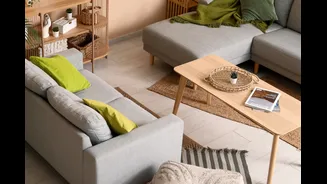
In a compact 200 sq ft dwelling, every piece of furniture must be a workhorse, ideally serving multiple functions. Think about incorporating items like beds with built-in storage, dining tables that can be folded away, or sofa-beds that transform the living area throughout the day. Beyond multi-functionality, the scale of your furniture is critically important. Overly large pieces can make even an empty room feel cramped and overwhelming. Conversely, furniture with slimmer profiles and raised legs creates visible floor space, which significantly enhances the feeling of lightness and airiness. Selecting appropriately sized pieces ensures that the room feels functional and comfortable without being visually cluttered or constricted.