



The Synergy of Oils
Oiling your hair is more than just a beauty ritual; it's a moment of self-care that encourages you to slow down and nurture yourself. Castor oil, while
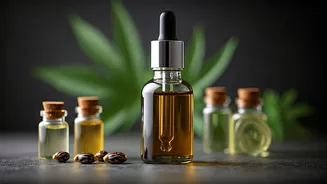
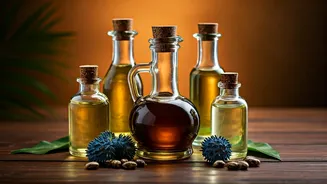
beneficial, truly shines not as a standalone miracle but as a potent base when combined with complementary oils. This thoughtful pairing transforms castor oil into a routine that gradually, naturally, and sustainably fortifies your hair. Instead of relying on thick, undiluted castor oil, consider blending it to unlock enhanced benefits. Consistent application of these synergistic mixtures can lead to noticeable improvements in hair strength, a calmer scalp, and an overall healthier hair feel within a few weeks, proving that thoughtful combination is key to achieving robust hair health.
Nourishing Almond Oil
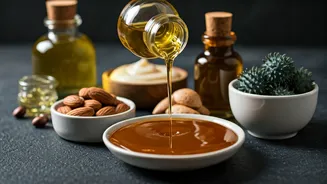
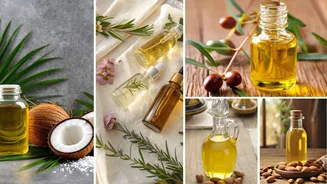
Almond oil, a favorite among beauty aficionados, offers a gentle yet effective approach to hair nourishment. Its lightweight nature and rich vitamin E content make it incredibly kind to the scalp, a property recognized and utilized in traditional beauty practices across many cultures for centuries. When integrated with castor oil, almond oil mitigates the thickness of the latter, resulting in a silky, manageable treatment rather than a heavy mask. This combination is adept at reducing hair breakage, imparting a soft sheen, and significantly improving manageability, making it an excellent choice for those struggling with tangled or dull hair. It's also an ideal starting point for individuals new to oil blending.
Stimulating Rosemary Oil
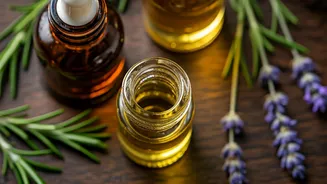
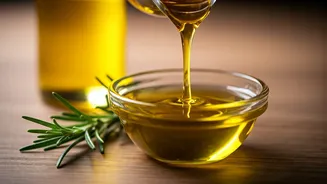
Rosemary oil stands out due to scientific research supporting its potential to enhance hair growth conditions. Clinical studies have indicated that blends containing rosemary oil can improve hair density, increase thickness, and reduce hair fall over time. However, rosemary oil's potency means it should never be used in isolation. Incorporating just a few drops of rosemary essential oil into a castor oil mixture creates a balanced treatment where castor oil provides moisture and protection, while rosemary oil stimulates blood circulation around the hair follicles. This duo is often praised by beauty editors as a near-natural solution for scalp therapy, but moderation is crucial – a few drops suffice, as more does not yield better results.
Deeply Penetrating Coconut Oil
Coconut oil acts as an ideal partner for castor oil, enhancing its spreadability and penetration into the hair strands. Its lighter consistency allows it to work harmoniously with castor oil, ensuring a more even application and absorption. What makes coconut oil particularly effective is its ability to enter the hair shaft, rather than just coating the surface, which leads to less protein loss, stronger hair fibers, and a reduction in breakage—often the cause of perceived slow growth. Hair naturally grows at a consistent biological rate; the key to longer hair is preserving the length by preventing breakage. A blend of one part castor oil to two parts coconut oil results in a smoother mixture that washes out easily, making it particularly beneficial for dry, rough, or heat-damaged hair.
Luxurious Argan Oil
Often referred to as 'liquid gold,' argan oil lives up to its name with its abundant antioxidants and fatty acids that smooth the hair cuticle, instantly bestowing a glossy, healthier appearance. While castor oil delivers deep hydration, argan oil contributes softness and enhances hair movement. Their combination yields a luxurious, salon-quality finish that combats frizz, is excellent for colored or chemically treated hair, and appeals to those who dislike heavy oiling routines, leaving hair feeling nourished yet light, and smelling significantly more pleasant than pure castor oil.
Balancing Jojoba Oil
Jojoba oil, a unique liquid wax, closely mimics the scalp's natural sebum, ensuring excellent compatibility and recognition by the scalp. When blended with castor oil, it helps prevent product buildup and maintains a balanced scalp environment—neither excessively oily nor too dry. This scalp equilibrium is fundamental for healthy hair growth, as blocked or irritated follicles can impede progress regardless of external treatments. Jojoba oil's inclusion aids in calming itchy scalps, regulating excess oil production, and promoting overall scalp comfort, making this blend particularly suitable for those with oily roots and dry ends.
Crafting Your Blend
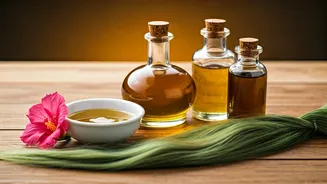
A common misstep with castor oil is using too much, given its density. Experts generally recommend it as the smaller component in any blend. A practical starting ratio involves one tablespoon of castor oil mixed with two tablespoons of a carrier oil such as coconut, almond, jojoba, or argan. For an added boost, you can incorporate 3–5 drops of rosemary essential oil. Gently warming the mixture between your palms before application enhances its spreadability and makes the massage experience more soothing and effective. This approach ensures a balanced, potent treatment tailored for optimal hair health.
Application for Results
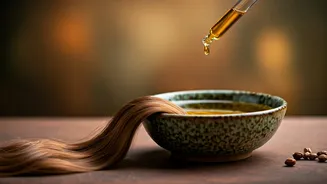
Effective hair oiling extends beyond simply coating the hair strands; the true benefits emerge from scalp massage. Using your fingertips, gently massage the oil into your scalp for approximately five minutes, which stimulates blood circulation and ensures even oil distribution. For maximum absorption, leave the oil on for at least 30 minutes, or even overnight if your scalp tolerates it well. Afterward, shampoo gently, potentially requiring two washes to thoroughly remove richer oil mixtures. Aim for two to three oiling sessions per week; exceeding this frequency might lead to product buildup rather than enhanced benefits.
Reality Check on Growth
It's crucial to understand that no oil can dramatically accelerate hair growth speed overnight. Experts consistently confirm that castor oil does not scientifically speed up the growth process. Instead, its efficacy lies in improving hair hydration, minimizing breakage, and protecting existing strands, which collectively contributes to hair appearing fuller and longer over time. This preservation of length due to reduced damage is a significant achievement, as most perceived slow growth is actually a result of hair breaking off. A healthy scalp coupled with strong, intact hair strands is the foundation for visible hair growth.