





Majestic Hollyhock Appeal
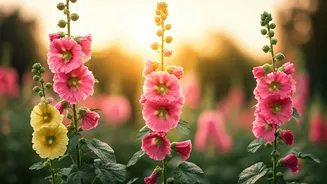
Hollyhocks, scientifically known as Alcea rosea, are truly showstoppers, reaching impressive heights of 6 to 8 feet, which makes them ideal for introducing
vertical interest into your garden landscape. Their striking stature naturally draws the eye upwards, creating a sense of grandeur. Beyond their impressive height, these flowers boast a magnificent palette of colours, gracing gardens with hues of pink, sunny yellow, deep red, and regal purple. These resilient plants are often described as short-lived perennials or biennials, yet they are remarkably easy to cultivate from seed, according to the Royal Horticultural Society. Their ability to flourish and provide vibrant blooms during the summer months, when many other plants struggle with the heat, makes them an invaluable asset for maintaining a lively garden throughout the season.
Cottage Garden Royalty
For centuries, hollyhocks have been a beloved cornerstone of traditional cottage-style gardens, cherished for their elegant height and undeniable beauty. Their commanding presence adds a sense of depth and dimension, making even the most modest garden appear more lush and thoughtfully designed. Botanical records from Kew Gardens highlight that hollyhocks offer more than just aesthetic appeal; they actively contribute to the garden's ecosystem by attracting vital pollinators like bees. This dual benefit makes them an environmentally conscious choice as well as a visually stunning one. Incorporating hollyhocks into your garden imparts an immediate air of sophistication and refinement, lending a structured, almost palace-like quality to your outdoor space. They are a perfect testament to the fact that an exquisite garden doesn't necessitate exorbitant landscaping expenses; with minimal upkeep, these plants deliver height, colour, and charm throughout the summer, potentially turning your garden into a neighborhood marvel.
Planting Your Hollyhocks
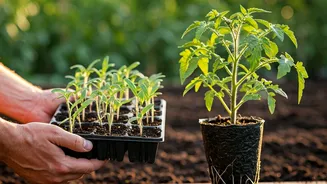
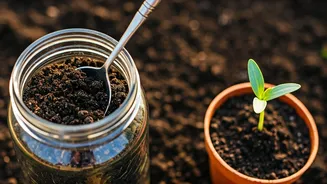
To cultivate your own patch of hollyhock glory, begin by sowing seeds directly into the soil. The ideal time for this is during the spring or early summer months. Select a location in your garden that receives ample sunlight, as hollyhocks thrive in full sun, and ensure there's good air circulation to help ward off potential fungal issues. Water them moderately, aiming to keep the soil consistently moist but never waterlogged, as excessive dampness can be detrimental. Hollyhocks prefer slightly alkaline soil conditions. Crucially, provide adequate spacing between plants to minimize the risk of disease transmission. For taller varieties, or in areas prone to strong winds, it's advisable to place stakes among the plants early on to offer support and prevent them from toppling over, ensuring their majestic form remains upright.
Sustaining Vibrant Blooms
Maintaining a continuous display of hollyhock blossoms requires a few attentive care practices. A key technique for encouraging prolonged flowering is deadheading, which involves promptly removing spent blooms as they fade. This encourages the plant to redirect its energy into producing more flowers rather than setting seed. Hollyhocks can sometimes be susceptible to rust, a common fungal disease. If you notice affected leaves, the Royal Horticultural Society recommends their removal. Alongside this, ensuring excellent air circulation around the plants is vital for rust management. To nourish your hollyhocks and support robust growth and flowering, feed them with a balanced fertilizer on a monthly basis throughout their growing season.