





Maritime Marvels
At the Viking Ship Museum in Roskilde, the echoes of ancient seafaring come alive. Displayed here are five remarkably preserved Viking longboats, meticulously
reconstructed from actual wrecks discovered in Roskilde Fjord. The experience extends beyond mere observation; visitors have the unique opportunity to actually row one of these magnificent vessels, offering a tangible connection to the adventurous spirit of Viking mariners. Observing these wooden ships glide through the placid waters provides a powerful visual of how Vikings navigated the seas centuries ago. The museum expertly captures both the historical significance and the sheer thrill of life at sea, with the serene fjord providing a beautiful backdrop that contrasts with the often harsh realities of Viking existence.
Rune Stone Chronicles
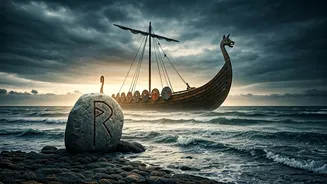
The Jelling Rune Stones are profoundly significant, often referred to as Denmark's very own historical birth certificate. These ancient stones narrate the pivotal story of King Harald Bluetooth and the monumental shift to Christianity in the region. Standing amongst them, one feels an almost surreal sense of time collapsing, transporting you back to the era they represent. For an even more immersive experience, visitors can try their hand at deciphering or even writing using the runic alphabet, a system of characters that look both simple and strangely complex. There's a peculiar satisfaction in connecting with the visual form of a language from so long ago, offering a direct link to ancient communication.
Viking Marketplace Alive
Ribe, recognized as Denmark's most ancient town, hosts a vibrant Viking Centre that masterfully recreates its historical marketplace. As you stroll through the bustling wooden stalls, you can absorb tales from the past and witness individuals dressed in authentic Viking attire, making the experience feel incredibly lifelike. This living history extends to the annual international Viking market, a major event that draws enthusiasts and participants from across the globe, all eager to celebrate and reenact Viking culture. It's a place where the past is not just remembered but actively brought to life through interactive displays and energetic reenactments.
Copenhagen's Treasures
For those visiting the capital, the National Museum of Denmark in Copenhagen is an absolute essential. This esteemed institution houses an impressive collection of Viking artifacts, including exquisite jewelry, ancient coins, formidable weapons, and intricately carved rune stones. Many experts suggest that a visit here serves as an ideal prelude to exploring other Viking sites across the country, offering a foundational understanding. While the museum offers a more tranquil atmosphere compared to open-air locations, the sheer quality and historical value of the treasures displayed within are truly captivating and provide deep insights into Viking craftsmanship and daily life.
Echoes of the Departed
Near Aalborg lies Lindholm Høje, a site of immense historical importance as Scandinavia's most extensive Viking burial ground. Approximately 700 ancient graves are demarcated by distinctive stone rings and patterned arrangements, creating a solemn and humbling landscape. This location spans from the Iron Age through the Viking period, offering a broad perspective on ancient funerary practices. An accompanying museum provides crucial context, detailing the intricate burial rituals and shedding light on the broader aspects of Viking existence, making it a profound place for reflection and learning.
Fortress Defense
The Trelleborg Fortress stands as a testament to Viking military architecture, featuring a remarkably well-preserved circular wall with a diameter of 134 meters. Adjacent to the impressive ruins, a museum showcases archaeological findings, alongside a reconstructed Viking chieftain's residence. The summer months are particularly recommended for a visit, as they coincide with a lively Viking market that animates the historical grounds. This vibrant event highlights how the Vikings adeptly merged defensive strategies with thriving trade and community life, offering a comprehensive view of their societal structure.
Chieftain's Final Rest
Located south of Kerteminde on the island of Fyn, the Ladby Viking Museum is situated at the very site of a significant Viking burial mound. Excavations here unearthed a substantial 20-meter-long Viking warship, believed to be the final resting place of a powerful chieftain, interred with his personal treasures. Exploring the museum provides a profound sense of the solemnity, ceremony, and deep respect that characterized Viking burial customs, offering a glimpse into their spiritual beliefs and the importance placed on honoring their leaders.
King's Strategic Fortress
Fyrkat was a strategically important fortress constructed by King Harald Blåtand (Bluetooth) around 980 AD. The site features a reconstructed Viking house, measuring 28.5 meters in length, offering a realistic depiction of domestic life within the fortress walls. Experts highlight Fyrkat as a rare opportunity to observe both the military organization and the everyday domestic routines of the Viking people. While the scale might not appear overwhelmingly large at first glance, the precision and detail of the reconstruction are truly impressive, providing valuable insights into Viking settlements.
Dual Viking Experiences
Aggersborg holds the distinction of being the largest Viking ring fortress, with its ruins strategically positioned by Harald Blåtand near Løgstør. Wandering through the circular remnants of this ancient stronghold evokes a profound sense of stepping back through time. Complementing this, Bork Viking Harbour on Ringkøbing Fjord presents reconstructed Viking ships and dwellings. Here, visitors can gain a vivid understanding of how the Vikings lived, pursued their trades, and engaged in commerce. This location is particularly noted for its hands-on activities, which are especially enjoyed by younger visitors, making history accessible and fun.
Legends and Origins
The Land of Legends in Lejre operates as an open-air archaeological museum, featuring reconstructions from the Stone Age, Iron Age, and Viking Age. Visitors can move seamlessly from exploring a Viking campsite to examining dwellings from the Iron Age, experiencing different historical periods in close succession. In Aarhus, the Viking Museum delves into the history of Aros, the city's ancient Viking predecessor. This museum is especially enlightening for understanding the evolution of modern urban centers from their Viking foundations, showcasing the enduring legacy of these ancient settlements and their impact on contemporary Danish society.