




Essential Paperwork Proof
When investing in something as significant as a diamond, never overlook the importance of official documentation. Always insist on a grading certificate
issued by a reputable gemological laboratory. Institutions like the Gemological Institute of America (GIA) or the American Gem Society (AGS) are widely recognized for their stringent standards and are considered benchmarks in the industry. This certificate acts as the diamond's definitive identity document, verifying all the claims made by your jeweller and ensuring the stone's authenticity and quality align with its description. It's your primary assurance of value and transparency in the transaction.
Mastering the 4 Cs
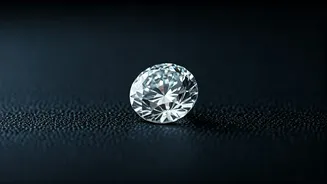
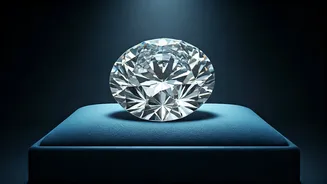
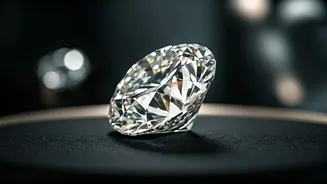
Understanding the '4 Cs'—Cut, Colour, Clarity, and Carat—is fundamental to assessing a diamond's worth and beauty. The Cut is paramount, dictating how light interacts with the stone, thereby influencing its brilliance and sparkle; a poor cut can diminish even the largest diamond. Colour grading assesses the absence of colour, with the most desirable stones appearing nearly colourless. Clarity refers to the presence of internal inclusions or external blemishes, with fewer imperfections leading to higher clarity. Finally, Carat denotes the diamond's weight, which is distinct from its physical size. A thorough grasp of these four characteristics empowers you to make discerning choices that align with your preferences and budget.
Shape's Price Impact
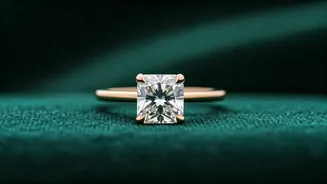
The shape of a diamond can significantly influence its price, often more than buyers initially realize. While the classic round brilliant cut remains highly popular and commands a premium due to demand and the material wastage during its intricate cutting process, exploring 'fancy shapes' can offer excellent value. Alternatives such as oval, cushion, emerald, pear, and princess cuts can often appear larger for the same carat weight compared to round diamonds. Furthermore, these shapes typically come with a lower price tag, making them an attractive option for those looking to maximize their budget without compromising on visual appeal or size.
Rethinking Budget Rules
The conventional 'two-month salary' rule for purchasing a diamond is an outdated marketing notion and should be disregarded. Your diamond budget should be based solely on your personal financial comfort and what you can realistically afford, rather than an arbitrary guideline. Set a clear, attainable budget and adhere to it. To make the most of your spending, consider strategic compromises. Slightly adjusting expectations for colour or clarity—especially if the imperfections are imperceptible to the naked eye—can allow you to allocate more towards a superior cut or a slightly larger stone, achieving a better overall value within your predetermined financial limits.
Earth vs. Lab-Grown
The debate between earth-mined and lab-grown diamonds presents a significant decision for modern consumers. It's crucial to understand that lab-grown diamonds are not imitations; they possess the same chemical composition, physical structure, and optical properties as their natural counterparts. The primary distinction lies in their origin: one is formed over geological time, while the other is created in a controlled laboratory environment. This controlled creation process typically results in a more accessible price point for lab-grown diamonds. Your choice hinges on personal preference—whether you prioritize the traditional allure and perceived value of a natural diamond or opt for the more budget-friendly and ethically sourced alternative offered by lab-grown options.