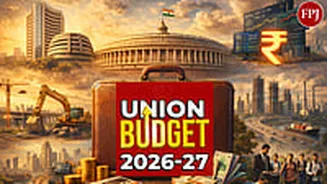

Budget 2026 Overview
The Union Budget 2026, presented by the Finance Minister, introduced several significant measures. These initiatives focused on a wide array of sectors,
including infrastructure development, tourism, and various consumer goods. The budget also showcased the government's strategic focus on the Northeastern region. Experts noted the budget's potential impacts on various industries, evaluating both the positive and negative implications. The budget was discussed in the context of previous financial policies, while also including new aspects that were planned. Overall, Budget 2026 offered a comprehensive picture of the government’s financial vision and priorities for the coming year, outlining strategies for economic growth, infrastructural improvements, and targeted sectorial attention.
Northeast Tourism Boost
A core aspect of the Union Budget 2026 was the dedicated plan to boost tourism in the Northeast region of India. The government's 'Buddhist Circuit Plan' aimed to enhance infrastructure, promote cultural heritage, and attract both domestic and international tourists to the area. Experts in the tourism sector stated their opinions on the likely impacts of this plan. They considered this as a potentially significant driver for economic growth in the Northeast, creating job opportunities. Some suggested the need for additional investments to support and enhance existing infrastructure, ensuring sustainable tourism practices, and promoting local culture. The initiative reflects a broader effort to leverage India's cultural assets for economic development, and specifically, to highlight the historical and cultural significance of Buddhist sites.
Targeted Sector Analysis
The Union Budget 2026 included detailed provisions affecting specific sectors and industries. Some of the notable components included attention towards the coconut and chocolate industries, which were highlighted for their economic impact and growth potential. The budget showcased policies aiming to boost the production, processing, and marketing of coconut products, emphasizing their role in the Indian economy. Similarly, proposals related to the chocolate industry focused on supporting local manufacturers and promoting their products in both domestic and global markets. These measures represented the government's strategy to bolster various sectors, stimulating economic activity, improving product competitiveness, and generating new avenues for employment and investment. Experts and industry representatives reviewed the budget proposals, offering valuable insights into their practical implications and long-term consequences for businesses.
Budgetary Highlights
The Union Budget 2026 brought attention to key aspects and areas within the government's financial strategy. The budget introduced a series of high-speed rail corridors, aiming to enhance transportation infrastructure. Significant announcements included the Mumbai-Pune and Hyderabad-Bengaluru rail projects, designed to improve connectivity and facilitate economic growth. These initiatives demonstrated the government’s commitment to improving infrastructure, decreasing travel times, and promoting regional economic development. Alongside infrastructure investments, the budget emphasized economic development and social welfare initiatives, aiming to drive inclusive growth and improve the standard of living. These diverse measures highlighted the government’s multifaceted approach to financial planning and its commitment to achieving broad-based progress.
Expert Insights & Reactions
Following the unveiling of the Union Budget 2026, numerous industry experts provided their insights. These analyses offered nuanced perspectives on the likely consequences of the budgetary announcements. Experts scrutinized the feasibility of different initiatives, assessing their economic potential, and addressing potential challenges. Their evaluations took into consideration various factors, including infrastructure development, employment generation, and the impact on consumer spending. They also assessed the government's strategic priorities, and their alignment with national development goals. The diverse viewpoints and analytical contributions from experts gave stakeholders with crucial details for understanding the budget’s influence and effects. Their insights were important in shaping informed discussions, allowing for a thorough evaluation of the budget.