
Roots of Academia
The genesis of men's academia fashion is deeply intertwined with the educational institutions of the late 19th and early 20th centuries. Think of the ivy-covered
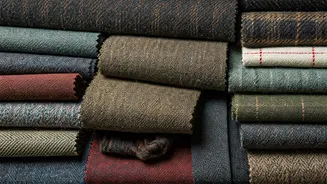
walls, the hushed libraries, and the classrooms filled with aspiring scholars. This period witnessed the rise of a specific sartorial code, dictated by practicality, social status, and a sense of belonging. The initial attire emphasized durability and functionality, reflecting the need for clothing that could withstand the rigors of academic life and the demands of an active lifestyle. Tweed jackets, sturdy wool trousers, button-down shirts, and sensible shoes were standard. The color palette was dominated by earthy tones like browns, greens, and grays, mirroring the natural environment and promoting a sense of seriousness. The cut of the garments was typically classic, with clean lines, and tailored fits reflecting a formal and distinguished demeanor. This was more than just a style; it was a uniform signifying one's intellectual pursuits and membership in an elite societal group.
Core Style Elements
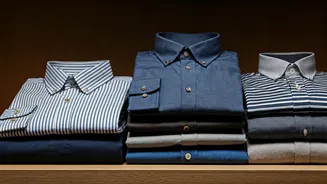
Certain foundational elements have consistently defined men's academia fashion. The tweed jacket holds a prominent position, offering warmth, texture, and a touch of vintage flair. Button-down shirts, frequently in crisp white or pale blue, provide a clean base layer, perfect for layering under knitwear or jackets. Cable-knit sweaters, often crafted from wool or cashmere, bring comfort and sophistication, reflecting the preppy aesthetic. Wool trousers, tailored with precision, replace jeans and add a formal touch. Brogues or leather loafers are the go-to footwear, providing both elegance and practicality. Accessories such as leather belts, knitted ties, and pocket squares elevate the look, adding personality. These pieces, when combined, create a cohesive and timeless aesthetic, one that speaks to heritage, intellect, and a refined sense of taste. The ability to mix and match these core elements allows for versatility, adapting the style for different occasions, from lectures to social gatherings.
Modern Adaptations Emerge
As academia fashion evolved, it adapted to the changing times. The emergence of the 1960s and 1970s brought forth subtle yet significant transformations. Slimmer fits and a more relaxed approach to formality became prevalent. The color palette expanded, with the inclusion of brighter shades and bolder patterns. Vintage finds, thrift stores, and second-hand shops became popular resources, allowing individuals to incorporate unique pieces that reflect personal style. The internet and social media have further accelerated these changes, with influencers and style icons using their platforms to showcase and interpret academia fashion in novel ways. While the core elements remain, there's a greater emphasis on individual expression and experimentation. Contemporary interpretations might include tailored trousers paired with a graphic tee, or a tweed blazer styled with sneakers, allowing for a blending of the traditional with modern casual wear. This blend ensures that academia fashion stays relevant for today’s fashion landscape.
Cultural Influences Abound
The fashion style is also influenced by cultural trends, and media exposure. Movies, television shows, and the music industry have all played crucial roles in shaping its evolution. Films like 'Dead Poets Society' and 'The Social Network' have contributed to its resurgence, with their portrayals of privileged students creating a certain romantic appeal. TV series and documentaries provide a glimpse into the lifestyle, further solidifying the aesthetic in the public eye. Music, from indie rock to classical compositions, enhances the overall mood. The rise of social media has amplified these influences, where trends spread rapidly. Bloggers, influencers, and style enthusiasts document and interpret the aesthetic, creating awareness, and sparking conversations about the values and beliefs associated with the fashion. The influence of various subcultures, such as the preppy movement and the dark academia aesthetic, introduces diverse elements and makes it dynamic and adaptable. These cross-cultural influences guarantee that the style is constantly evolving and that it remains relevant to diverse audiences.
The Academia Today
Today’s iteration of men's academia fashion is a fusion of heritage and modernity, a celebration of history with a keen eye on the future. The emphasis is on quality materials, impeccable tailoring, and a focus on detail. Sustainability has grown in importance, with more individuals choosing ethically sourced fabrics and vintage items. The concept of inclusivity is also reshaping the style, with the opening of gender norms and the breaking down of traditional barriers. The aesthetic has expanded beyond its original domain, appealing to a broader audience that appreciates craftsmanship and timeless elegance. Academia fashion, in its modern form, is a testament to the enduring power of classic style. The fashion is a statement about personal values, a reflection of individual expression, and a sign of cultural awareness. It is a fashion that transcends trends, ensuring its longevity in the ever-changing world of men's fashion.