




Rafflesia Arnoldii's Foul Bloom
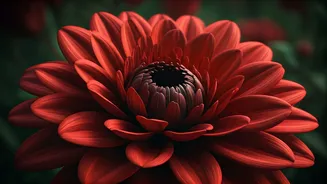
The Rafflesia arnoldii holds the title for the largest single flower on Earth, presenting a visually arresting spectacle with its reddish hues. However,
its impressive size is matched by an incredibly potent odor, akin to decomposing flesh. This powerful scent serves a critical evolutionary purpose: it lures flies, which are the primary agents of its pollination. Unconventionally, this plant lacks traditional leaves and stems, existing as a parasite within host vines, making its reproductive strategy all the more remarkable and intriguing.
Hydnora Africana's Hidden Charm
The Hydnora africana is a truly unique specimen, spending most of its life concealed beneath the soil, with only its flowering parts emerging above ground. Its appearance is strikingly alien, complemented by a strong, unpleasant aroma that strongly resembles dung. This malodorous lure is specifically designed to attract beetles. Once these insects enter the flower, they are temporarily held captive, a clever mechanism that ensures successful pollination before they are eventually released. This plant plays a vital ecological role within its native arid environments.
Skunk Cabbage's Frosty Scent
Renowned for its thermogenic capabilities, the skunk cabbage can actually generate heat to melt surrounding snow as it blooms in colder climates. This impressive adaptation is accompanied by a distinct, pungent odor reminiscent of a skunk's spray. This foul smell is a strategic tool to attract early-season pollinators, particularly flies, which are active when few other floral resources are available. Its resilience in cold environments highlights its unique place among the world's smelliest, yet fascinating, flora, challenging perceptions of floral beauty.
Titan Arum's Corpse Aroma
Often referred to as the 'corpse flower,' the Titan Arum (Amorphophallus titanum) is notorious for emitting an overpowering scent of rotting flesh. Hailing from Indonesia, it boasts one of the largest flowering structures globally. This intense odor is crucial for attracting carrion-seeking insects, such as flies and beetles, which facilitate its pollination process. Curiously, the bloom itself is ephemeral, lasting only a mere 24 to 48 hours, and its infrequent appearance makes it a highly anticipated and significant event for observers and scientists alike.
Stapelia Gigantea's Deceptive Allure
The Stapelia gigantea, commonly known as the carrion flower, presents a visually deceptive star-shaped succulent bloom adorned with striking patterns. However, its aesthetic appeal belies a far from pleasant aroma, which closely mimics the scent of decaying animals. This ingenious adaptation effectively draws in flies, tricking them into believing they've found a meal. As the flies investigate, they inadvertently aid in the flower's pollination, showcasing a masterful blend of beauty and a rather pungent survival strategy that garners both admiration and avoidance.