






Rethinking White Foods
The common perception that white foods are automatically devoid of nutritional value is an oversimplification. Many foundational foods within the Indian
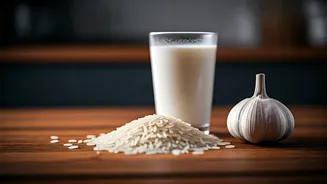
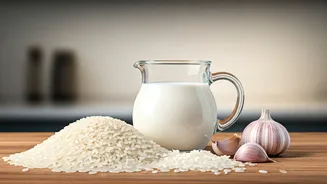
culinary landscape, such as rice, milk, and garlic, are naturally white and have sustained populations for generations. The critical factor isn't the colour itself, but rather how these ingredients are cultivated, processed, and ultimately consumed. When integrated thoughtfully into meals, these white staples can offer essential energy, vital nutrients, and a sense of comfort, contributing significantly to a well-rounded diet rather than being relegated to the category of empty calories. The focus should shift from colour-based judgments to understanding the quality and preparation techniques that dictate their impact on our well-being.
Milk: Nourishment Beyond Calcium
Milk has been an indispensable component of Indian cuisine for ages, celebrated for its rich profile of calcium, protein, and vitamin B12. These nutrients are fundamental for maintaining robust bone structure and ensuring proper nerve function. For individuals in crucial developmental stages, like growing children, and for older adults, milk is paramount in preserving bone density and preventing age-related bone loss. Research, including that supported by India's National Institute of Nutrition (NIN), emphasizes milk's role in contributing essential daily nutrients, particularly for those following vegetarian diets where vitamin B12 can be harder to source. However, it's recognized that not everyone can digest milk easily due to lactose intolerance, which can manifest as bloating or digestive unease. In such instances, fermented dairy products like curd or buttermilk often serve as excellent alternatives, as the fermentation process renders them more digestible for many.
Rice: A Steady Energy Source
Rice stands as one of the most universally consumed grains, providing a reliable source of carbohydrates that offer readily available energy. Its digestibility makes it particularly beneficial for young children, the elderly, and those recuperating from illness. Although the polishing process for white rice removes some of its fibre content, it still retains trace amounts of essential B vitamins and minerals. Transforming rice into a more complete meal is easily achieved by pairing it with protein-rich accompaniments like dal, vegetables, or curd. Dietary guidelines in India frequently highlight cereals like rice as a key element of a balanced diet, provided they are consumed alongside adequate protein and fibre sources. Crucially, portion control is vital; a moderate serving of rice, balanced with other food groups, helps regulate blood sugar levels and prevents overconsumption, reinforcing its role as a sustaining food when managed correctly.
Garlic: Potent Benefits Unveiled
Despite its modest size, garlic exerts a profound influence on health. It is rich in compounds such as allicin, recognized for their potent anti-inflammatory and antimicrobial qualities. Consistent consumption of garlic has been linked to improved cardiovascular health and a bolstered immune system. International research, including studies referenced by institutions like the NIH, substantiates garlic's positive impact on managing blood pressure and supporting overall heart function. Lightly cooking garlic helps preserve its beneficial compounds, whereas consuming it raw can sometimes be too intense for sensitive digestive systems. Incorporating garlic into everyday cooking, perhaps through a simple 'tadka' (tempering), can significantly enhance both the flavour and the nutritional value of meals, making it a powerful yet accessible health booster.
Wise Consumption Strategies
Achieving a balanced intake of these white foods hinges on simple yet effective dietary habits. For rice, the key is to complement it with fibre-rich foods like pulses and a variety of vegetables, thereby creating a more nutritionally complete meal that also aids in better blood sugar management. When it comes to dairy, if experiencing digestive difficulties with milk, opting for fermented versions like curd or buttermilk can offer a gentler alternative. For garlic, integrating it naturally into daily cooking methods, such as adding it to curries, stir-fries, or tempering, is generally more beneficial and sustainable than relying on concentrated supplements. Prioritizing a thoughtfully assembled plate that includes these staples in their optimal forms is far more advantageous for long-term health than adopting overly restrictive eating patterns.
Navigating Cautionary Notes
While generally beneficial, certain individuals may need to exercise discretion with these white food staples. People managing diabetes are often advised to be mindful of their rice portions and to prioritize combining it with high-fibre components to mitigate rapid spikes in blood glucose. Those diagnosed with lactose intolerance should consider limiting their intake of milk or opting for lactose-free varieties or fermented products. Excessive consumption of garlic, particularly raw, might lead to digestive upset or potentially interact with certain prescribed medications. Therefore, personal health conditions and existing medical advice should always be the guiding principles when making food choices, ensuring these nutritious foods support rather than hinder individual well-being.