





Timeless Appeal of Texture
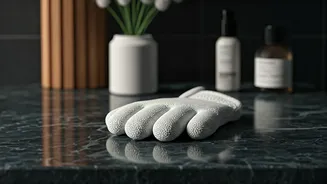
The allure of exfoliating gloves lies in their ability to deliver a profound sense of skin renewal, a feeling of being truly clean and smooth rather than
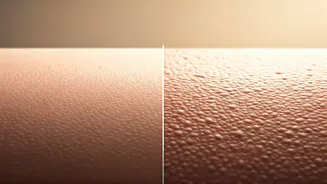
merely perfumed. This tactile satisfaction is achieved through a straightforward combination of textured fabric, water, and deliberate motion. Their persistent popularity stems not from fleeting trends, but from the distinctly noticeable difference they make to skin texture over time. The core mechanism involves controlled friction that gently buffs away surface impurities, addressing roughness and unevenness. However, it's crucial to strike a balance; the immediacy of the results can be misleading, potentially encouraging excessive pressure or too frequent use, which can lead to overstimulation rather than refreshment. Finding that sweet spot between effective and overdone is key to harnessing their benefits without causing distress.
Echoes of Ancient Rituals
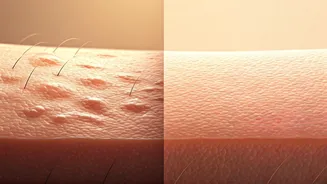
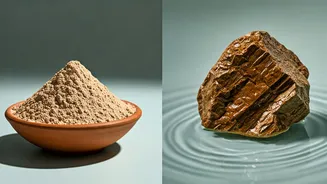
While exfoliating gloves might seem like a contemporary skincare innovation, the principle behind them—physical exfoliation—is deeply rooted in historical practices. Long before modern beauty aisles were stocked with such mitts, cultures worldwide integrated physical exfoliation into regular self-care routines, treating it as a foundational element rather than an occasional luxury. Ancient traditions, like the use of ubtan—a potent blend of turmeric, gram flour, and various botanical powders—served to polish and prepare the body, often for significant life events or seasonal changes. Today's body care landscape is experiencing a resurgence of interest in tactile methods that emphasize touch and stimulate circulation. Exfoliating gloves represent a streamlined, accessible adaptation of this philosophy, aligning with a growing consumer preference for effective tools over complex formulations. In an era where skincare routines can become saturated with active ingredients, many individuals are drawn to methods that offer tangible results without adding further product layers. For persistent concerns such as ingrown hairs, uneven skin texture, or keratosis pilaris, consistent mechanical exfoliation provides a practical means of resetting the skin that seamlessly integrates into existing habits. The fascination is also deeply tied to the sensory experience, offering a grounding, ritualistic dimension to self-care that feels more deliberate and engaging than a simple wash.
Mastering the Technique
To maximize the benefits of exfoliating gloves while minimizing the risk of irritation, a specific approach is recommended. Begin by ensuring your skin is thoroughly softened; this is best achieved by using the gloves towards the end of your shower or bath, allowing the steam to prepare the skin. Damp skin is more pliable, enabling the glove to exfoliate efficiently without snagging or scratching. Employ light pressure and deliberate, long strokes, moving from your extremities upwards towards your heart—think from ankles to knees, and wrists to shoulders. The glove itself should do the work; excessive force is unnecessary and counterproductive. Limiting each area to two passes is generally sufficient. After exfoliation, gently pat your skin dry but avoid letting it dry out completely. Immediately apply your preferred body lotion or oil while the skin is still slightly damp. This crucial step locks in moisture, enhancing the skin's newfound smoothness and prolonging its duration. Resist the urge to overdo it; these gloves are most effective as an occasional maintenance tool, with one to two uses per week typically being ample for most individuals.
Gloves Versus Scrubs
Exfoliating gloves and body scrubs offer distinct yet complementary approaches to skin smoothing. Gloves rely solely on their textured surface to physically slough away dead skin cells, providing a consistent pressure across broader areas and proving efficient for overall skin maintenance. A key advantage is their lack of residue, which can sometimes be an issue with scrubs that leave a heavier feeling on the skin, particularly for those with oily or clog-prone complexions. For individuals seeking a streamlined routine, gloves offer a product-free exfoliation method. Body scrubs, on the other hand, integrate physical exfoliants—like sugar or salt—with emollient bases such as oils or creams. This combination can offer additional benefits; oil-based scrubs, for instance, can impart significant hydration while exfoliating, making them ideal for very dry skin. Chemical exfoliants found in some scrubs, like AHAs or BHAs, offer a more gradual resurfacing effect that doesn't depend exclusively on mechanical friction. Rather than viewing them as competing products, they can be used in tandem. Gloves are excellent for periodic texture refinement, while scrubs excel when simultaneous exfoliation and hydration are desired. The ultimate choice hinges on individual skin type, specific concerns, and personal preference for the exfoliation experience.
When to Pause
It is essential to recognize that exfoliating gloves are not a universally suitable tool and should be avoided under certain skin conditions. Refrain from using them on skin that is inflamed, has recently been exposed to excessive sun, is experiencing breakouts, or is in the process of healing from cosmetic procedures such as laser hair removal or chemical peels. Employing gloves in these scenarios can exacerbate irritation, hinder the natural healing process, and potentially lead to complications. Furthermore, individuals prone to conditions like eczema, rosacea, or generally sensitive skin may find the friction too aggressive. For these individuals, gentler chemical exfoliants or body care products focused on barrier repair and soothing ingredients might offer a more appropriate and comfortable alternative. Mindful usage, considering your skin's current state, is paramount to achieving the desired smoothness without causing harm.