


A Pillar of Stability
As toddlers navigate the exhilarating yet bewildering journey of increasing independence and rapid development, a cherished object often emerges as a steadfast
companion. This special item bestows a crucial sense of autonomy, allowing them to feel a degree of command over their personal universe, which can otherwise feel unpredictable. Possessing and interacting with this favorite possession fosters a feeling of ownership and control, contributing significantly to their growing confidence and sense of security as they absorb new knowledge and skills. In a period marked by constant learning – acquiring new vocabulary, forming friendships, and exploring diverse environments – this tangible item serves as a consistent anchor, a reliable source of reassurance amidst the flux of new experiences and changing circumstances.
Emotional Anchors
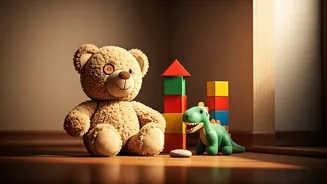
Toddlers often develop profound emotional bonds with objects that offer solace during moments of intense feeling. At this developmental phase, children are actively learning to process and manage a wide spectrum of emotions, which can include anxiety, frustration, or overt tiredness. Consequently, a particular toy or blanket might become indispensable for its ability to provide comfort when feelings run high. The simple act of holding or stroking this familiar item can be incredibly effective in helping a child to self-soothe and regain composure when feeling overwhelmed. These comfort objects are intrinsically linked to feelings of safety and being cared for, making it easier for the toddler to relax and feel secure in their environment.
Bridging Separation Gaps
Even brief periods of separation from primary caregivers can trigger stress in toddlers. Whether they are embarking on their first day of daycare, staying with extended family, or simply settling down for sleep without a parent present, feelings of unease are common. The beloved toy or object acts as a vital tool for managing these moments of separation. Symbolically representing comfort and security, it serves as a tangible reminder of home and the loved ones they've left behind. Having this familiar item nearby can significantly ease their transition into new or unfamiliar settings, helping them to adapt more smoothly and feel more at ease.
A Normal Developmental Phase
It's vital for parents to recognize that attachment to objects is typically a healthy and normal part of toddler development, rather than a cause for concern. Most children naturally outgrow these attachments as their confidence blossoms and they acquire more sophisticated coping mechanisms for managing their emotions. The significance of a favorite toy gradually diminishes as toddlers mature, developing enhanced social skills and more effective communication abilities. Instead of attempting to forcibly sever this bond, parents are encouraged to embrace it as an integral aspect of their child's learning process, a unique way for them to discover and internalize feelings of comfort and security.