




The Storage Dilemma
Keeping rotis soft and warm for extended periods is a daily necessity in Indian kitchens. Casseroles, also known as hot cases, are vital for this, extending
their use beyond just bread to store curries and dals. However, a common point of confusion arises when choosing between plastic and stainless steel models. This decision often sparks debate, influenced by factors from cost to aesthetics. This exploration aims to dissect the advantages and disadvantages of each type, ultimately guiding towards the healthier and safer option for preserving your rotis.
Plastic's Perils Unpacked
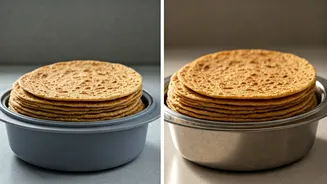
Plastic casseroles, while appealing due to their affordability and lightweight nature, present significant health concerns, especially when in contact with hot foods like rotis. Even food-grade plastics can degrade over time with repeated heat exposure, potentially leaching harmful chemicals. These invisible changes can pose long-term health risks. Furthermore, wear and tear can create scratches, providing breeding grounds for bacteria and hindering effective cleaning. Over time, plastic may also develop an unpleasant odor that can transfer to the rotis, accelerating spoilage. While using high-quality, BPA-free plastic and allowing rotis to cool slightly can mitigate some risks, they cannot be entirely eliminated.
Stainless Steel's Superiority
Stainless steel casseroles emerge as a superior choice for storing rotis, prioritizing health and safety. This material is non-reactive, meaning it doesn't leach chemicals into food, even when exposed to high temperatures. It is also exceptionally durable, resistant to scratches and odors, and easy to clean, ensuring hygienic storage. Unlike plastic, stainless steel does not degrade with regular use, contributing to its longevity and sustainability. Its non-porous surface prevents bacteria from harboring, and it doesn't retain unpleasant smells, maintaining the freshness and taste of your rotis.
Freshness and Softness Factors
Both plastic and stainless steel casseroles aim to maintain the freshness and softness of rotis by trapping heat and moisture. However, the way they achieve this differs, impacting the final texture. Plastic casseroles can sometimes trap excessive steam, leading to sogginess. Over time, they don't efficiently absorb extra moisture, which can cause rotis to lose their ideal texture. Insulated stainless steel casseroles, on the other hand, perform comparably well in retaining heat and moisture, but without the associated health risks. Using a cloth or parchment paper inside any casserole can further enhance texture preservation and prevent rotis from becoming overly damp.
Environmental Footprint Comparison
From an environmental perspective, stainless steel casseroles are the more responsible choice. Plastic, being a petroleum-based product, has a substantial carbon footprint due to its manufacturing process, which involves energy-intensive extraction, transportation, and processing of raw materials. It is also largely non-recyclable and contributes to landfill waste for centuries. Stainless steel, made from recyclable metals like iron and chromium, can be used repeatedly without quality degradation, making it a far more sustainable option. Its longevity and recyclability minimize waste and reduce environmental impact over its lifespan.
Expert Endorsement
Nutrition and wellness experts strongly advocate for stainless steel when it comes to storing food, particularly hot items like rotis. They highlight that while plastic may win on initial cost and convenience, stainless steel offers undeniable advantages for health and safety. Experts emphasize that stainless steel is non-toxic and doesn't react with hot foods, ensuring that no unwanted substances contaminate your meal. Its durability also means it doesn't degrade over time, making it a sustainable and reliable choice for everyday use in the kitchen, providing peace of mind with every meal.