






Innovative Rail Camper Build
Matt Spears, a US-based content creator, has captured significant online attention by undertaking a remarkable 100-mile solo expedition across derelict
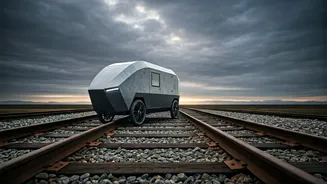
railway lines. His unique mode of transport is a self-engineered rail camper, ingeniously constructed from a modified electric bicycle. This remarkable vehicle, originally resembling a standard USPS delivery e-bike, has been meticulously reconfigured to run directly on train tracks. The core of this transformation lies in specially designed wheels that perfectly align with railway gauges, ensuring smooth transit. Beyond its mobility, the camper integrates a compact living space, providing amenities for sleeping and storing essential supplies for extended off-grid travel. The entire setup is powered by an electric system optimized for long-distance journeys, enabling Spears to embark on a completely self-sufficient adventure, merging the functionalities of a bicycle, a rail cart, and a minimalist accommodation into a single, innovative machine.
A Century of Forgotten Tracks
Spears' ambitious journey unfolds across approximately 100 miles of disused railway corridors, traversing remote and picturesque landscapes where the infrastructure has long since fallen into disrepair. These tracks, once vital arteries of a bustling transportation network, are now largely overgrown with tenacious vegetation and littered with debris, remaining largely untouched by contemporary human activity. As Spears progresses along these forgotten routes, he passes through environments that evoke a sense of timelessness, offering viewers a rare and intimate perspective on corridors that have gradually faded from everyday public consciousness. The visual narrative highlights the quiet beauty of nature reclaiming these industrial remnants, creating a unique backdrop for his solitary exploration and underscoring the vastness of North America's often overlooked rail history.
Overcoming Obstacles Solo
Throughout his challenging 100-mile trek, Matt Spears frequently encounters significant blockages, most notably fallen trees, which repeatedly bring his progress to a standstill. Rather than abandoning his mission or seeking external assistance, Spears demonstrates remarkable resourcefulness and determination by employing a compact chainsaw to clear sufficient debris to continue his journey. This persistent problem-solving approach becomes a defining element of the expedition, transforming the trip into a rigorous test of endurance, ingenuity, and practical skills. Each cleared obstruction not only allows him to advance but also reinforces the theme of self-reliance that permeates his adventure. The physical effort involved in managing these obstacles adds a raw, authentic dimension to his journey, emphasizing that true exploration often involves overcoming unexpected hurdles with personal grit and clever solutions.
Authentic Immersive Experience
In stark contrast to the often highly produced and sensationalized travel content prevalent online, Matt Spears' documentary prioritizes the genuine experience of his adventure over elaborate spectacle. The pacing of his video is deliberately slow and methodical, meticulously capturing the consistent rhythm of his travel along the tracks and the profound sense of isolation found in these remote settings. With minimal editing and an unpretentious visual style, the journey unfolds in a straightforward manner that places emphasis on the personal experience and the process of exploration rather than on a curated presentation. This authentic approach has deeply resonated with a wide audience, appealing to their appreciation for originality and genuine storytelling. The unscripted nature of the expedition, combined with Spears' practical inventiveness and his exploration of abandoned railway routes, offers a refreshing alternative to conventional online narratives, powerfully reinforcing themes of independence and self-sufficiency.
Echoes of Industrial Past
Beyond the immediate thrill of the adventure, Spears' journey provides a fascinating glimpse into the historical remnants of railway systems that once played a pivotal role in shaping transportation and industry. These abandoned tracks now exist in a unique transitional phase, gradually being enveloped by the natural environment while still bearing the discernible traces of their original industrial purpose. Traversing these routes allows for an appreciation of the sheer scale of unused infrastructure and offers a contemplative perspective on how former industrial spaces are quietly undergoing a profound transformation. The visual narrative serves as a poignant reminder of the ebb and flow of industrial development and the enduring power of nature to reclaim and reshape the human-made world, offering a unique blend of historical reflection and contemporary exploration.