






Yoga's Role in BP
Managing high blood pressure (BP) goes beyond just medication; daily habits play a crucial role in long-term health. Yoga offers a powerful approach by
positively influencing both the physical body and the mind. The practice of slow breathing, mindful movements, and moments of stillness helps to calm the nervous system, which is vital as stress hormones can contribute to elevated blood pressure. Research indicates that regular yoga practice can significantly enhance cardiovascular health and mitigate stress-induced spikes in blood pressure. It's not about intense exertion, but rather about consistent effort and mindful engagement with the body. The poses discussed below are carefully selected to avoid strain, sudden inversions, and breath-holding, elements that could potentially exacerbate high blood pressure concerns, ensuring a safe and beneficial experience.
Sukhasana & Deep Breathing
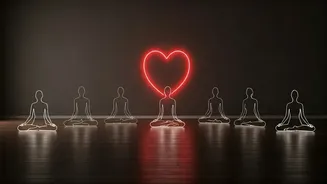
Sometimes the most profound changes come from simple stillness. Sukhasana, or Easy Pose, is a prime example where cross-legged sitting with a straight spine and hands resting on the knees can be incredibly effective. The true power lies in focusing on the breath: slow, deliberate inhalations followed by even longer exhalations. This practice directly engages the parasympathetic nervous system, responsible for the body's relaxation response. By activating this system, heart rate naturally decreases, and blood vessels relax, leading to a reduction in blood pressure. The National Institutes of Health (NIH) supports this, reporting that consistent practice of controlled breathing techniques can indeed help lower blood pressure over time, underscoring its value beyond mere physical exercise.
Balasana: The Reset
Child's Pose, or Balasana, offers a comforting and deeply restorative experience, akin to a gentle reset for the body and mind. To enter this pose, kneel on the floor, sit back onto your heels, and then fold forward, allowing your torso to rest between your thighs. Your arms can be extended forward or placed alongside your body. The forehead gently touches the mat, encouraging a sense of surrender. This position is effective in reducing heart rate and promoting deep diaphragmatic breathing, which is inherently calming. The mild compression of the abdomen can also be beneficial for circulation. Studies have indicated that relaxation-focused yoga practices, such as Child's Pose, can lead to significant reductions in both systolic and diastolic blood pressure over consistent use.
Ardha Matsyendrasana Twist
The Seated Spinal Twist, or Ardha Matsyendrasana, is a pose that can enhance spinal flexibility and potentially aid digestion and circulation. To perform it, sit with your legs extended, then bend one knee and cross that foot over the opposite leg. Gently twist your torso towards the bent knee. The crucial aspect here is to keep the movement smooth and gentle. Avoid any deep or forceful twists, and certainly refrain from holding your breath. A soft, controlled turn accompanied by steady, even breathing is the objective. This mindful approach ensures the benefits of improved spinal mobility and circulation are gained without putting undue stress on the cardiovascular system, which is paramount for those managing high blood pressure.
Vrikshasana Balance
Balance poses like Vrikshasana, or Tree Pose, are excellent for sharpening focus and quieting mental chatter. Stand on one leg, grounding yourself firmly, and place the sole of your other foot against your inner thigh or calf, avoiding the knee joint. Bring your palms together at your chest. The key to this pose for individuals with high BP is not achieving perfect stillness, but rather maintaining slow, steady breathing. If your body sways, allow it to happen. The gentle effort involved in stabilizing engages your muscles without elevating your heart rate excessively. For those monitoring their blood pressure, it's important to keep the hold brief, perhaps 10-15 seconds per side, ensuring no strain is experienced. This focus on gentle engagement promotes circulation without taxing the heart.
Shavasana Completion
Often perceived as mere rest, Corpse Pose, or Shavasana, is actually a vital and active component of any yoga practice. After completing other poses, lie flat on your back with your arms relaxed by your sides and your eyes closed. This is the time when the body truly integrates the benefits of the session. Muscles release residual tension, breathing naturally slows to a more relaxed rhythm, and the mind achieves a state of settled calm. To skip Shavasana would be like leaving a book unfinished before reaching the final page; it means the practice is incomplete. It's in this pose that the body fully absorbs the restorative effects, consolidating the positive physiological and mental changes initiated during the practice.
Setu Bandhasana Opener
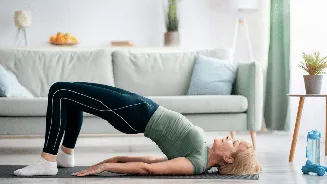
Bridge Pose, known as Setu Bandhasana, acts as a gentle heart opener and can improve blood flow. Begin by lying on your back with your knees bent and feet flat on the floor, hip-width apart. As you inhale, slowly lift your hips off the ground, ensuring your shoulders remain grounded. This pose helps to open the chest cavity and enhances circulation throughout the body while also strengthening the back muscles without causing excessive strain. It's important that the lift is moderate; pushing the body into a high bridge is unnecessary. The primary objective is to encourage better blood flow and a gentle opening of the chest, rather than achieving peak physical intensity, making it suitable for managing blood pressure.
Tadasana Foundation
Mountain Pose, or Tadasana, might seem exceptionally simple, but standing tall with mindful awareness is a powerful way to reset posture and breathing patterns. Begin by standing with your feet together or hip-width apart, arms relaxed by your sides. As you inhale, you can gently raise your arms overhead, extending your gaze forward. Hold this position for a few breaths before slowly releasing. The core benefit here lies in improving alignment. When your posture is corrected and your body is aligned, your breathing naturally becomes deeper and more efficient. This improved respiratory function can, in turn, ease the pressure on your cardiovascular system, contributing to better blood pressure management.