







Ajwain: Speedy Relief
When rich foods leave you feeling heavy, ajwain, or carom seeds, offers rapid digestive support. These small but mighty seeds contain thymol, a compound
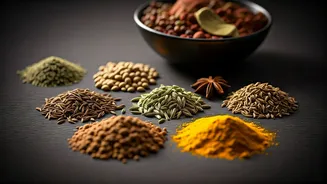
that acts as a potent stimulator for gastric juices, significantly aiding in the breakdown of fats. The enhanced secretion of digestive enzymes works diligently to process complex proteins and fats found in dishes like paneer curries or cheesy pasta, while simultaneously curbing gas production. The distinct, slightly bitter flavor of ajwain is a testament to its effectiveness. Users often report feeling relief from digestive discomfort, acid reflux, and bloating within a mere 15 to 20 minutes. To harness its benefits, you can simply chew half a teaspoon of raw ajwain seeds with warm water post-meal, or steep them in boiling water for five minutes to create a soothing infusion. Beyond immediate relief, ajwain also contributes to managing acidity, reducing intestinal gas, and treating general indigestion, making it a versatile kitchen ally.
Jeera: Enhanced Breakdown
Cumin seeds, or jeera, are another staple in Indian kitchens celebrated for their digestive prowess. The key component, cuminaldehyde, plays a crucial role in activating salivary glands and increasing the secretion of digestive enzymes. This process is vital for more effectively breaking down lactose and fats, which are often abundant in rich, cheesy meals. Cumin acts as a warming spice, encouraging the liver to produce more bile, essential for emulsifying the heavy fat content into smaller, more manageable particles for digestion. To enjoy its benefits, lightly roast cumin seeds until fragrant and chew a teaspoon slowly, allowing them to mingle with your saliva. Alternatively, a potent digestive tea can be made by boiling a teaspoon of jeera in two cups of water until the volume is halved. Consuming jeera about 30 minutes after eating can improve metabolism, reduce inflammation, and assist in weight management, adding further value to this common spice.
Saunf: Soothing Sweetness
Fennel seeds, or saunf, are a delightful and naturally sweet digestive aid, often served after meals in Indian culture for their pleasant flavor and beneficial properties. The active compound, anethole, possesses antispasmodic qualities that help relax the gastrointestinal muscles, thereby alleviating cramps and promoting the smooth passage of food through the digestive tract. Saunf not only stimulates the secretion of digestive juices but also forms a protective coating on the stomach lining, which is instrumental in preventing acidity. For an effective remedy, chew a teaspoon of raw or roasted fennel seeds slowly, allowing their essential oils to work their magic. For an even more potent effect, fennel tea can be prepared by steeping crushed seeds in hot water. Consuming saunf immediately after meals offers sustained relief for hours, while also freshening breath, reducing water retention, and easing menstrual cramps.
Adrak: Digestive Powerhouse
Fresh ginger, or adrak, stands out as a formidable digestive aid. It is rich in compounds like gingerol and shogaol, which significantly boost the production of digestive enzymes specifically designed to target and break down proteins and fats. Ginger enhances gastric motility, essentially helping to move heavy foods, such as those found in cheesy dishes, through your digestive system more rapidly, thus preventing that uncomfortable feeling of food sitting heavily in your stomach. Furthermore, ginger is highly effective in reducing nausea and quelling the queasiness that can arise after consuming rich dairy products. You can prepare a comforting ginger tea by grating fresh ginger and steeping it in boiling water, perhaps with a touch of lemon and honey for added flavor and benefit. Alternatively, chewing small pieces of raw ginger can also provide quick relief. Consuming ginger during or immediately after meals offers anti-inflammatory benefits, nausea reduction, and immune system support.
Elaichi: Aromatic Aid
Cardamom, or elaichi, is revered as the queen of spices for its aromatic oils that invigorate digestive fire, known as 'agni' in Ayurvedic tradition. These oils work to counteract the cooling and heavy properties of rich foods like cheese, which often lead to slowed digestion. Cardamom contains compounds such as cineole and limonene, which are key in increasing the production of digestive enzymes necessary for breaking down complex dairy fats into absorbable nutrients. Crucially, it also helps prevent the formation of gas pockets within the intestines, thereby averting bloating before it becomes a noticeable issue. To utilize its digestive powers, crush two to three green cardamom pods and chew the seeds slowly, or add crushed pods to your post-meal chai. Cardamom offers gentle relief over 30 to 60 minutes after consumption and also contributes to fresh breath, body detoxification, and improved oral health.
Hing: Anti-Flatulent Marvel
Asafoetida, or hing, might possess a pungent aroma in its raw form, but when cooked or dissolved, it transforms into an exceptionally effective anti-flatulent spice. Its beneficial compounds actively prevent the formation of gas, addressing the very root cause of discomfort experienced after consuming heavy foods. Hing is instrumental in stimulating the release of pancreatic enzymes, which are critical for thoroughly breaking down the complex protein structures commonly found in cheese. A simple and effective method is to mix a tiny pinch of hing powder with warm water and a bit of salt, then drink it. For an amplified effect, add hing to buttermilk, where its digestive properties synergize with the probiotics for enhanced relief. Consuming hing 15 to 30 minutes after eating, especially when gas formation begins, can offer significant comfort. Beyond digestive aid, hing is known to alleviate IBS symptoms, reduce menstrual pain, and exhibit antibacterial properties.
Dalchini: Warming Support
Cinnamon, or dalchini, plays a vital role in managing the blood sugar spikes often associated with consuming rich, cheesy meals. Its inherent warming properties gently stimulate sluggish digestion, promoting a more efficient processing of food. The key compound, cinnamaldehyde, is responsible for increasing the secretion of gastric acids, which are essential for the effective breakdown of fats and proteins prevalent in cheese. Furthermore, cinnamon possesses antimicrobial properties that help prevent the fermentation of undigested food by harmful bacteria in the gut. To incorporate it into your diet, simply chew a small piece of cinnamon stick or mix half a teaspoon of cinnamon powder into warm milk or tea. Taking cinnamon 20 to 30 minutes after a meal provides sustained digestive warmth and benefits, including blood sugar regulation, anti-inflammatory effects, and improved heart health.
Kali Mirch: Acid Booster
Black pepper, or kali mirch, is a powerful digestive enhancer thanks to its alkaloid, piperine. Piperine significantly increases the secretion of hydrochloric acid in the stomach, a crucial element for breaking down the complex proteins found in cheese into digestible amino acids. This common spice also excels at enhancing the bioavailability of other nutrients and spices, making it a perfect complement to any digestive remedy. Piperine actively stimulates digestive enzymes throughout the entire gastrointestinal tract, ensuring that food moves efficiently through the system and preventing it from settling heavily. To benefit from black pepper, freshly crush five to six peppercorns and add them to warm lemon water, or prepare a simple pepper rasam by boiling crushed pepper with cumin, garlic, and tamarind. Consuming black pepper during or immediately after your meal can effectively boost acid production, improve nutrient absorption, and offer anti-inflammatory advantages, supporting overall well-being and aiding in weight loss.