




The Lingering Taste
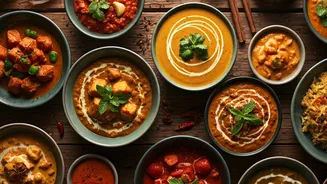
For a significant period, the author embarked on a quest, trying various Thai restaurants and curries, each time hoping to find that elusive, perfect flavor.
The memory of home, specifically the vibrant and complex tastes of Thailand experienced during the first thirteen years of life, was a powerful driving force. These early tastes were characterized by a harmonious blend of sharpness, sweetness, spiciness, and tanginess, offering a profound sense of comfort that only familiar food can provide. However, upon relocating to India, this distinct taste began to fade into a cherished memory, sparking a persistent desire to recreate it. This pursuit became an ongoing endeavor, marked by a series of culinary explorations aimed at recapturing that authentic Thai essence, though the true definition of authenticity often proved elusive, extending beyond mere ingredients to encompass a deeper feeling and connection.
An Unexpected Arrival
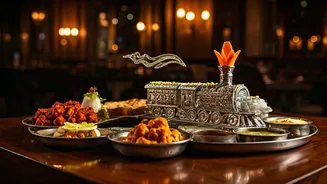
The long-anticipated culinary breakthrough occurred one evening in Mumbai, at a discreet establishment called TÓA 66, located in the Churchgate area. This venue offered more than just Thai food; it provided an immersive experience that genuinely evoked the spirit of Thailand. Even before the first dish was served, the ambiance resonated with the festive spirit of Songkran, the Thai New Year, which the restaurant had skillfully recreated. A welcoming ritual of pouring water over a small glass Buddha statue, symbolizing the cleansing of past misfortunes and the embrace of new beginnings, set an immediate grounding and unexpectedly emotional tone. This initial engagement with the cultural practice significantly amplified the anticipation for the culinary journey that was about to unfold, hinting that this dining experience would transcend a typical meal.
A Seven-Course Revelation
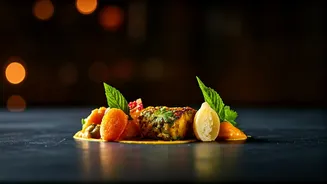
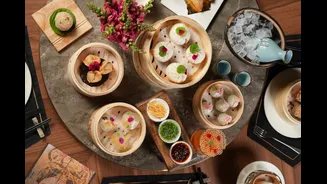
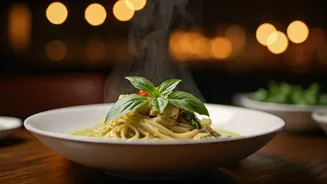
TÓA 66 distinguished itself through its meticulously crafted seven-course tasting menu, a novel experience for the author. Approaching the meal with a sense of curiosity and openness regarding the quantity of food to be consumed, the author allowed each course to unfold progressively, with every dish designed to narrate its own unique story. The dining experience commenced with Miang Kham, an interactive dish presented as a do-it-yourself bite. Diners were provided with chaplu leaves, alongside accompaniments like coconut, peanuts, ginger, and lemon, all brought together by a special house sauce. This offering was reminiscent of a Thai paan, yet considerably more vibrant and stimulating. Each individual bite delivered a delightful explosion of textures and flavors—a captivating interplay of sweet, tangy, and spicy notes, complemented by a satisfying crunch—leaving a lasting impression that extended well beyond the moment of consumption.
Echoes of Bangkok
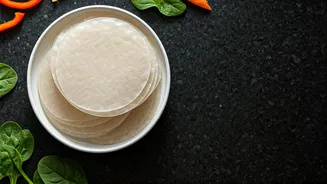
Following the initial offering, Kway Tiew Lod arrived, featuring delicate rice sheets filled and coated in a luscious Penang sauce, providing a comforting and deeply satisfying sensation. However, it was the subsequent dish, Som Tam Thod, that profoundly impacted the author. This particular preparation of raw papaya salad, though familiar in essence, was presented in an elevated manner. The very first bite transported the author back in time, to the age of thirteen in Bangkok, vividly recalling eating this same salad after school without any worldly concerns. It became clear that the profound impact was not solely due to the taste, but also to the powerful memories it had unlocked. This moment served as the definitive confirmation: the authentic Thai experience that had been sought for so long had finally been found.
Continued Culinary Bliss
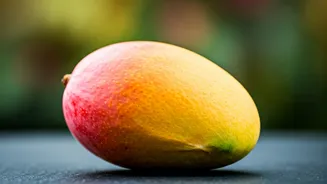
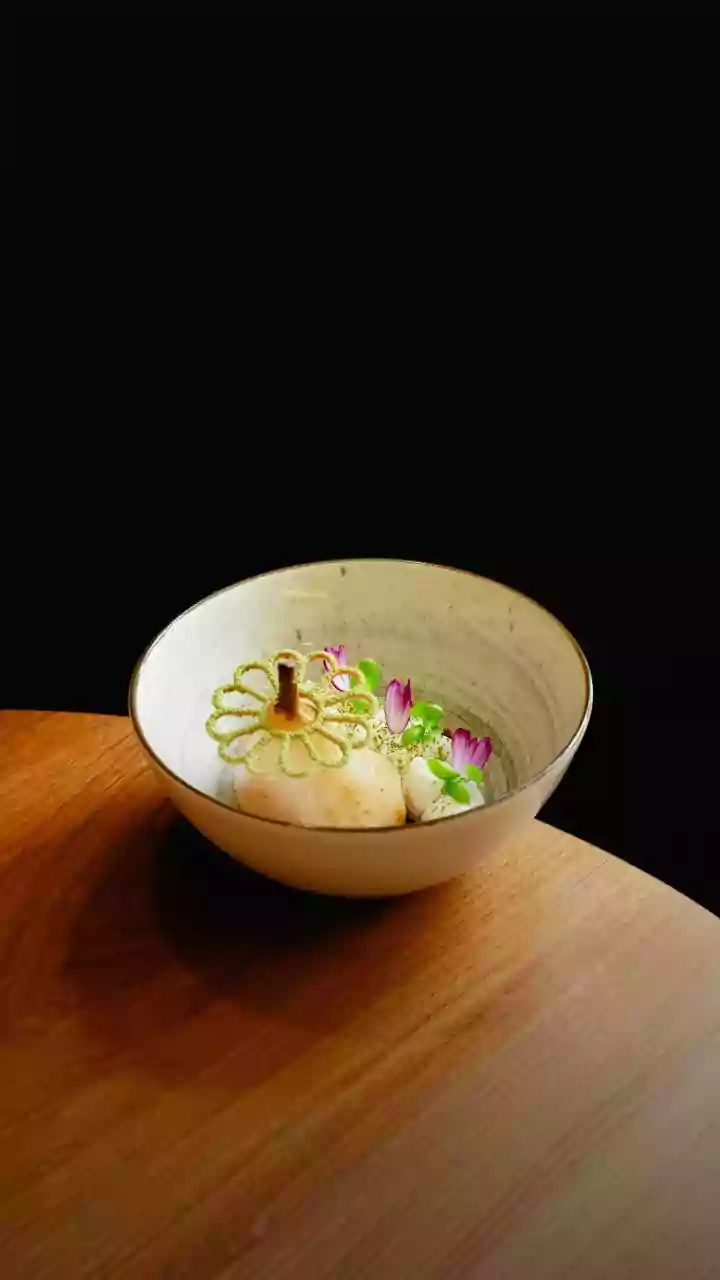
The sequence of dishes continued to impress, with each course maintaining its distinct appeal. Phak Boon Moo Daeng, a stir-fried morning glory with tofu, offered a sense of familiar comfort. Kway Tiew Tom Yam, characterized by its hot and tangy broth, was so invigorating that it was difficult to cease sipping. The Khao Phad, a seemingly simple fried rice dish, was executed to perfection, evoking immediate recollections of dining on the streets of Bangkok. By the time dessert was presented, a feeling of fullness was present, yet it did not diminish the anticipation for the final sweet offerings. The mango sticky rice was everything it should be—indulgent, nostalgic, and prepared flawlessly. As if to provide a final flourish, the last dish to arrive was Kra-Pow, an artfully constructed layered chocolate dessert complemented by pandan cream and pistachio praline. Despite its small size, this dessert delivered a powerful flavor impact, serving as an exquisite conclusion to the meal.
A Taste of Home
Before departing, the author felt compelled to express gratitude to Ishaa, the owner, not merely for the exceptional meal, but for the profound emotional and nostalgic experience it facilitated. This particular evening marked a significant shift; the decade-long pursuit of authentic Thai cuisine culminated quietly and unexpectedly. The departure from TÓA 66 was not just about leaving with a satisfied appetite, but with a tangible piece of home—a sentiment that had been long thought lost. The meal had reconnected the author with a fundamental aspect of their identity and heritage, bringing a cherished sense of belonging back into their life through the power of truly authentic food and a welcoming atmosphere.