






Thicker Hair Myth Busted
Many believe shaving makes hair grow back thicker and darker, a persistent myth amplified by anecdotal evidence. However, the scientific reality is quite
different. Shaving severs the hair shaft at the skin's surface, leaving the root and follicle untouched. This means shaving doesn't alter the hair's fundamental growth cycle, natural color, or thickness. The sensation of stubble appearing thicker or darker is an illusion created by the blunt edge of the hair as it regrows. Research confirms that the follicle's structure remains unaltered, debunking the notion that shaving impacts hair's inherent qualities. Therefore, the perceived change is merely a visual and tactile effect of the cut hair, not a biological modification.
Water Isn't Enough
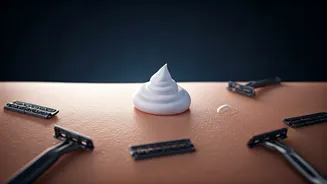
Relying solely on water for shaving is a common mistake that can lead to significant skin discomfort. Shaving lubricants, such as creams and gels, play a crucial role in minimizing friction between the razor and your skin. Studies highlight that these products dramatically reduce irritation, nicks, and micro-abrasions compared to shaving with water alone. The primary function of shaving cream or gel is to create a protective barrier, allowing the blade to glide smoothly. This cushion softens the hair, making it easier to cut, while simultaneously shielding the skin from the direct impact of the blade. Neglecting this step leaves your skin vulnerable to razor burn and cuts.
Dull Blades Danger
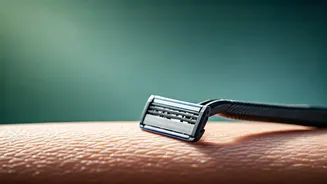
Clinging to an old, dull razor is another frequent shaving error that jeopardizes skin health. Inadequate sharpness leads to increased drag and uneven cutting, significantly elevating the risk of cuts, nicks, and razor bumps. Fresh, sharp blades are paramount for a close, clean shave and minimizing skin trauma. When blades become dull, they tug at the hair and skin, causing irritation and increasing the likelihood of ingrown hairs. Regularly replacing your razor or cartridges ensures a smoother glide and a safer shaving experience, ultimately leading to healthier, happier skin and preventing the discomfort associated with blunt edges.
Frequency Doesn't Matter
The idea that shaving more often causes hair to grow back faster is a long-standing misconception that lacks scientific backing. Hair growth rate is predominantly dictated by internal factors, specifically genetics and hormonal influences, rather than external grooming habits. Shaving, which only affects the hair visible above the skin, has no capacity to alter the underlying biological processes that control hair growth from the follicle. Therefore, the frequency with which you shave has no bearing on how quickly or densely your hair will eventually regrow. Your hormonal balance and genetic predispositions are the true architects of your hair's growth pattern.
Ingrown Hair Technique
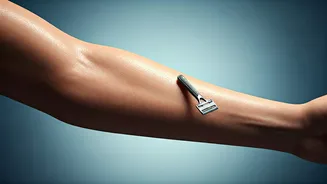
Contrary to popular belief, shaving doesn't inherently cause ingrown hairs; rather, improper technique is the primary culprit. Ingrown hairs occur when hair curls back or grows sideways into the skin, often due to irritation or blockage. The key to preventing them lies in adopting the right shaving method. This includes using a clean, sharp razor and, crucially, shaving in the direction of hair growth. Following these guidelines helps to minimize trauma to the skin and hair follicles, significantly reducing the chances of hair becoming trapped beneath the surface. With careful attention to technique and product choice, shaving can be a smooth and bump-free experience.