

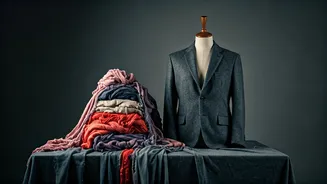


Eco-Conscious Materials
The fashion industry is increasingly embracing materials that minimize environmental impact. Organic cotton, for instance, is cultivated without synthetic
pesticides or fertilizers, leading to healthier soil and reduced water pollution compared to conventional cotton farming. Linen, derived from the flax plant, is another sustainable choice, requiring less water and fewer pesticides. Innovative textiles like Tencel Lyocell, produced from wood pulp in a closed-loop system that recycles water and solvents, are also gaining prominence. Recycled polyester, often made from plastic bottles, diverts waste from landfills and oceans, while also requiring less energy to produce than virgin polyester. The focus is shifting towards biodegradability and the use of renewable resources, ensuring that the lifecycle of a garment leaves a lighter footprint on the planet. This conscious material selection is a cornerstone of modern sustainable fashion, influencing everything from haute couture to everyday wear.
Ethical Production Practices
Beyond the fabric, the 'how' and 'who' behind clothing production are crucial to sustainable fashion. Ethical manufacturing prioritizes fair wages, safe working conditions, and the prevention of child labor across the entire supply chain. Transparency is key; brands are increasingly expected to disclose their manufacturing locations and labor practices. This involves ensuring that workers are treated with dignity and respect, and that their rights are protected. Fair trade certifications play a significant role in verifying these ethical standards, providing consumers with confidence in their purchasing decisions. The movement also advocates for reduced waste in production, through methods like zero-waste pattern cutting and on-demand manufacturing, which limit overproduction. Embracing ethical production means valuing the human element as much as the environmental one, creating a more equitable and responsible fashion ecosystem.
Circular Fashion Models
The traditional linear model of 'take-make-dispose' is being challenged by the rise of circular fashion. This approach aims to keep materials and products in use for as long as possible, through strategies like repair, resale, and recycling. Second-hand clothing platforms and rental services are becoming mainstream, extending the life of garments and reducing the demand for new production. Brands are also exploring take-back programs, where old garments are collected for repurposing or recycling into new fibers. The concept of designing for longevity and recyclability from the outset is also gaining traction, ensuring that products can be easily disassembled and their components reused at the end of their initial lifecycle. This shift towards a circular economy is fundamental to minimizing fashion's environmental impact and creating a more resilient industry.
Conscious Consumerism
Empowering consumers to make informed choices is central to the sustainable fashion movement. This involves educating individuals about the impact of their purchasing decisions and encouraging them to opt for quality over quantity. Understanding labels, researching brands, and asking questions about where and how clothes are made are becoming essential habits. Mindful consumption also extends to garment care, such as washing clothes less frequently and at lower temperatures, and repairing them when needed, to prolong their lifespan. By actively participating in the shift towards sustainability, consumers can drive demand for ethically produced and environmentally friendly fashion, influencing brands to adopt more responsible practices and ultimately fostering a more conscientious approach to personal style and global impact.