




Proportions Matter Immensely
Achieving balanced proportions is a cornerstone of creating visually appealing outfits. It's about understanding how different garment shapes and sizes
interact with your body. For instance, pairing a voluminous top with slim-fitting bottoms, or a fitted upper half with a flared skirt or wide-leg trousers, can create a harmonious silhouette. This principle also extends to accessories; a delicate necklace might be lost on a busy neckline, while a statement piece could overpower a simple outfit. The goal is to create a visual equilibrium that flatters your frame, rather than overwhelming or diminishing it. Think of it as an art form where each piece plays a crucial role in the overall composition. By paying attention to how the length, width, and fit of your clothing components harmonize, you can significantly enhance the perceived quality and style of your entire look, making even casual wear appear intentionally curated and sophisticated.
The Power of Color Coordination
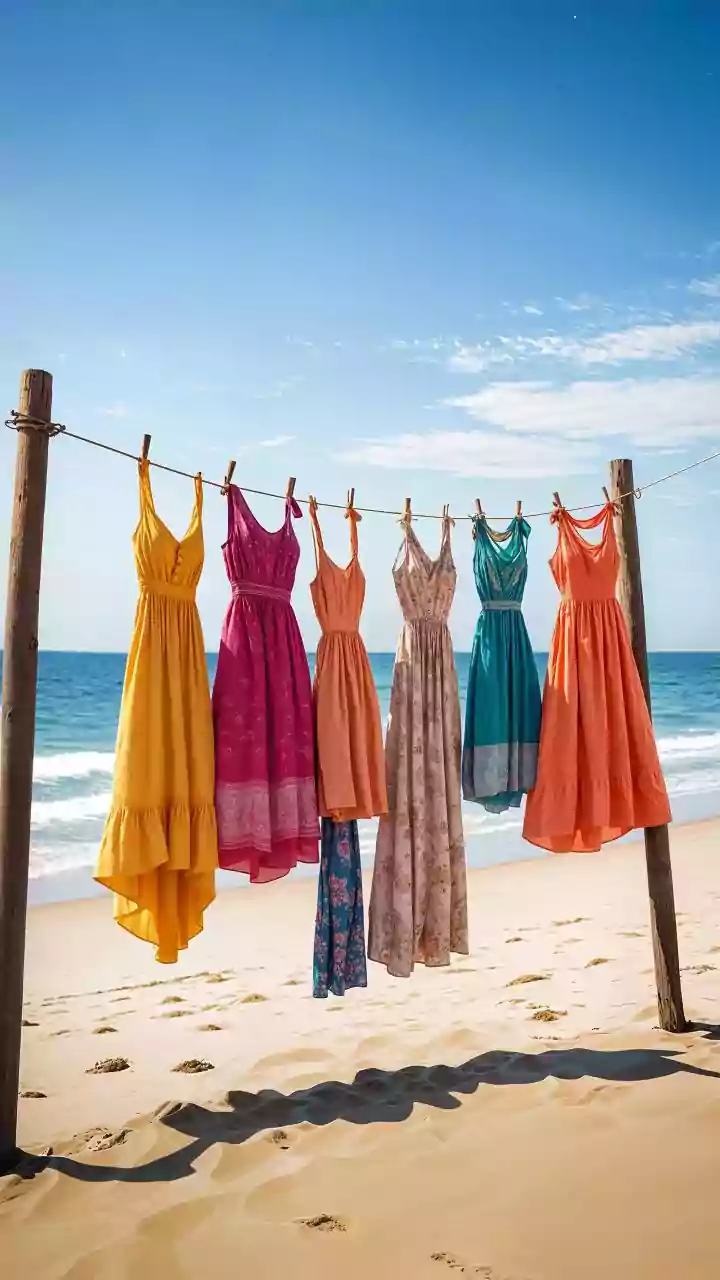
Color is one of the most potent tools in a fashion arsenal, capable of transforming an outfit from drab to dynamic. Mastering color coordination involves understanding color theory, but it doesn't necessitate becoming an expert. A simple approach is to stick to a limited palette within a single outfit, perhaps using two to three complementary or analogous colors. Alternatively, the 'rule of three' suggests incorporating a third color, often in an accessory, to add depth and interest. Neutrals like black, white, grey, and beige serve as excellent foundational colors that can be paired with almost anything, providing a safe yet stylish base. Experimenting with bold hues can be invigorating, but ensuring they harmonize rather than clash is key. Consider the mood you wish to convey; vibrant colors often exude energy, while softer tones can offer a sense of calm and sophistication. Thoughtful color choices can dramatically impact how an outfit is perceived, making it appear more cohesive and professionally styled.
Focus on Fit and Tailoring
The importance of proper fit cannot be overstated; even the most expensive garment can look unremarkable if it doesn't fit correctly. Clothing that is too tight can be restrictive and unflattering, while items that are too loose can appear sloppy and ill-fitting. Investing time in understanding your body shape and choosing garments that are designed to complement it is crucial. For a truly polished appearance, consider the services of a tailor. Minor alterations, such as hemming trousers, adjusting sleeves, or nipping in a waist, can make a profound difference, transforming ready-to-wear pieces into custom-tailored items that enhance your natural silhouette. This attention to detail signals a level of care and sophistication that elevates your entire presentation, making your wardrobe appear more curated and high-end, regardless of the original price point.
The Art of Accessorizing Wisely
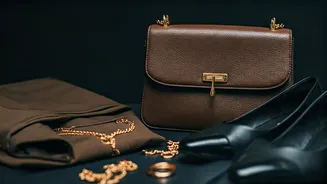
Accessories are the punctuation marks of an outfit, capable of adding personality, flair, and completeness. However, over-accessorizing can lead to a cluttered and disjointed look. The key is to be intentional with your choices. Consider which accessories will best enhance your outfit without overpowering it. A single statement piece, like a bold necklace or a striking handbag, can be enough to draw attention and add interest. Alternatively, layering delicate jewelry can create a subtle yet sophisticated effect. Scarves, belts, and hats are also powerful tools for customization, allowing you to adapt your style to different occasions and moods. Remember that the quality of your accessories often speaks volumes, so opt for pieces that are well-made and complement your overall aesthetic. Thoughtful accessorizing demonstrates a keen eye for detail and adds a final layer of polish.
Fabric and Texture Harmony
The tactile and visual qualities of fabrics play a significant role in how an outfit is perceived. Mixing textures can add depth and interest, preventing a look from appearing monotonous. For instance, pairing a smooth silk blouse with textured tweed trousers or a chunky knit sweater with sleek leather pants can create a compelling contrast. However, it's important to ensure these textural combinations are harmonious and don't clash visually. Consider the season and occasion when selecting fabrics; lighter, breathable materials are ideal for warmer weather, while heavier, richer textiles offer warmth and structure in colder months. The drape and weight of a fabric also contribute to the overall silhouette and how the garment moves. Paying attention to the interplay of different fabric types can elevate your outfit, making it appear more luxurious and thoughtfully assembled, even with simple clothing items.