




The Art of Balayage
Balayage, meaning 'to sweep' in French, is a freehand colouring technique where stylists directly paint lighter shades onto the hair. This method allows
for a much more natural and subtle transition of colour, creating a sun-kissed effect rather than distinct streaks. It’s applied with varying saturation, focusing more on the mid-lengths and ends, allowing for a beautifully blended and effortless grow-out. The hand-painted strokes create dimension and a lived-in look that requires minimal upkeep, making it a favourite for those seeking a low-maintenance yet stylish colour transformation. Imagine gentle sweeps of colour that mimic natural light, offering a soft, multidimensional glow that enhances your natural beauty.
Understanding Highlights
Traditional highlights involve a more structured approach, typically using foils to section and saturate strands of hair from root to tip with a lightening agent. This results in a consistent, defined, and often bolder contrast against your base colour. The precision of foil application ensures an even lift and a clean, polished look. Highlights provide that instant pop and all-over brightness, offering a classic way to add dimension and vibrancy to your hair. The effect is a more uniform pattern of lighter pieces woven throughout, giving a classic, chic appearance that has been a salon staple for years, offering a clear and striking enhancement.
Key Differences Explained
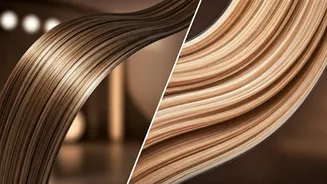
The fundamental divergence between balayage and highlights lies in their application and resulting aesthetic. Balayage offers a soft, blended transition, creating a 'lived-in' and natural look that grows out seamlessly, often allowing for extended periods between salon visits. Conversely, highlights are applied with precision, creating distinct, bright streaks that offer a more uniform and defined dimension. While balayage focuses on a natural, painterly effect, highlights aim for a consistent, structured appearance. This distinction impacts maintenance, as balayage's subtle grow-out contrasts with highlights' more visible roots over time.
Maintenance and Cost
When considering upkeep and expense, a key difference emerges. Highlights typically require touch-ups every 6-8 weeks to maintain their crispness and blend, as the roots become more noticeable. This frequent need for salon visits can add up over time. Balayage, on the other hand, often involves a higher upfront cost due to the skilled hand-painting technique, but its seamless grow-out means you can often go 6 months or longer without needing a refresh. This makes balayage a more cost-effective choice in the long run for many, despite the initial investment, as it allows for extended periods of enjoying your colour without constant salon appointments.
Suitability for Hair Types
The choice between balayage and highlights can also be influenced by your hair's natural texture. For those with curly hair, balayage often proves to be an ideal companion. The freehand application allows the colour to wrap around the curls beautifully, enhancing their natural bounce and movement without creating harsh lines. Conversely, straight hair can beautifully showcase the dimension and definition that classic highlights provide. The precise application of foils on straight strands can create stunning, crisp streaks that add a striking contrast and polish to the overall look, making the technique a perfect fit for sleek textures.
Trending Colour Concepts
When exploring balayage, the colour possibilities are as vast and enticing as a gourmet menu. Imagine rich caramel swirls that add warmth and depth, or the subtle, inviting tones of a honey melt that blend seamlessly. For a cooler, sophisticated look, the iced latte vibe offers a chic, multidimensional effect. These shades are designed to create a delicious, natural-looking dimension that enhances your hair's texture and tone. The aim is for your hair to look as appealing and inviting as a decadent dessert, with colours that are rich, blended, and utterly irresistible.