





A Bazaar's Legacy
The Dastkari Haat Crafts Bazaar marked its 40th year, a significant milestone for a platform dedicated to preserving and promoting Indian craftsmanship.
This annual event has consistently provided a space for artisans to showcase and sell their creations, fostering a direct connection between the makers and the consumers. Over the years, the bazaar has played a vital role in sustaining traditional crafts and empowering artisans, especially women, by providing them with economic opportunities and recognition. This year's focus on quilt makers is a testament to the bazaar's commitment to celebrate the diversity and skill of India's artisan community.
Quilts: Artistry, Warmth
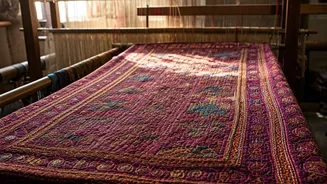
Quilts in India are much more than just bed coverings; they are intricate works of art, each telling a unique story through fabric, color, and stitch. The craft of quilt making is passed down through generations, with techniques and designs often reflecting the cultural traditions of specific regions. From the vibrant hues of Rajasthan quilts to the delicate embroidery of Bengal's Kantha quilts, each piece showcases the regional artistry and skill. The craftsmanship represents not only a utilitarian object but a representation of heritage, making each quilt a valuable and cherished possession. The process of creation includes carefully selecting fabrics, precise cutting and sewing, detailed layering and finally, the intricate quilting that binds everything together.
Celebrating Quilt Makers
The Dastkari Haat Crafts Bazaar offers quilt makers a remarkable platform to present their craft and share their stories. It allows these artisans to reach a wider audience and gain recognition for their talent. Many quilt makers come from rural communities, and the bazaar provides them with financial independence and the chance to interact directly with customers. By supporting these events, consumers contribute to the preservation of traditional skills and support the livelihoods of talented craftspeople. The bazaar not only highlights the final product, but the skill, creativity, and dedication of the artisans themselves, bringing to light the human element behind these exceptional creations.
Quilts: A Sustainable Craft
The art of quilt making is inherently sustainable. It often involves the use of recycled fabrics and natural materials, reducing waste and promoting eco-friendly practices. The emphasis on handmade craftsmanship also means that quilts have a long lifespan, representing a durable and enduring alternative to mass-produced items. Moreover, the practice of passing down quilts through families contributes to a sense of continuity and preserves precious memories. As consumers become more aware of the environmental and social impacts of their choices, the appeal of handmade quilts continues to grow, making this craft more relevant and valued in modern society. The focus on sustainability in quilt making reflects a growing appreciation for ethical consumption and the preservation of traditional crafts.
Quilts' Enduring Future
The enduring appeal of Indian quilts and the celebration of the Dastkari Haat Crafts Bazaar after 40 years indicate a thriving future for this traditional craft. The blend of artistry, cultural significance, and sustainability ensures that quilts continue to resonate with modern consumers. As younger generations become engaged in this craft, the innovation in design and the integration of contemporary elements will likely continue. The bazaar offers a model for other events by supporting artisans and promotes cultural heritage, ensuring that the legacy of Indian quilt making remains vibrant for generations to come. This provides a great opportunity to explore the exquisite world of quilt making.