



What is Khiru?
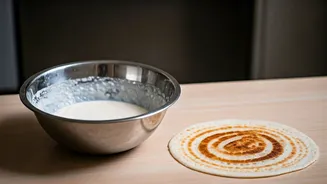
In many Indian households, fermented items like dosa batter are staples. The process of soaking, grinding, and fermenting rice and lentils is relatively
straightforward, but its success hinges on duration, temperature, and storage conditions. Proper fermentation enhances flavour, texture, and digestibility. However, if the batter is left out for too long or improperly stored, it can spoil. The term 'khiru' is sometimes used to describe batter that has become unfit for consumption due to undesirable changes during fermentation. Initially, these changes might not be obvious, but over time, the batter can develop off-odours, an unpleasant feel, or even harbor harmful microorganisms. Understanding what 'khiru' signifies and how to identify it early can help prevent foodborne illnesses and reduce waste. This guide aims to equip you with the knowledge to spot these warning signs before the batter poses a health risk.
Understanding Khiru's Cause
The phenomenon of 'khiru' in dosa batter signifies that the fermentation process has gone awry, rendering the batter unusable. While beneficial lactic acid bacteria and other microbes naturally aid in the batter's rise and impart a desirable tang, prolonged fermentation, especially in warm and humid environments, can invite the growth of undesirable microorganisms. This over-fermentation leads to the batter breaking down, altering its flavour and texture significantly. Key contributors to this spoilage include leaving the batter at room temperature for extended periods, which accelerates fermentation; high ambient temperatures and humidity, which create an ideal breeding ground for unwanted microbes; and poor storage practices, such as using unclean utensils or containers, which can introduce contaminants. Even cross-contamination from wet spoons or mixing spoiled batter with fresh batches can expedite the spoilage process, leading to the unwanted 'khiru' stage where the batter is no longer safe for consumption.
Spotting Spoiled Batter
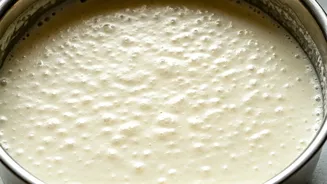
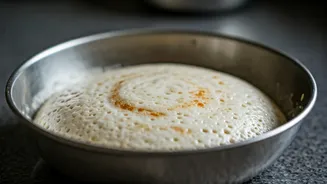
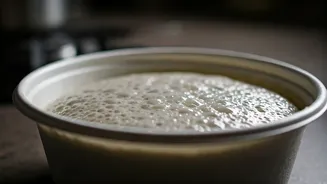
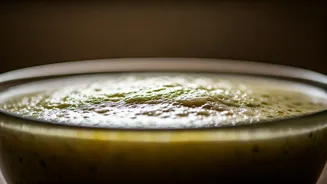
Identifying 'khiru' in your dosa batter involves paying close attention to several sensory cues. A hallmark sign is a drastic change in odour; while freshly fermented batter has a pleasant sourness, a truly spoiled batch emits a pungent, foul, or overwhelmingly sharp smell that is a clear indicator of spoilage. The texture also undergoes a transformation; a healthy batter is typically smooth with a slight fluffiness, whereas 'khiru' batter might become excessively watery, unnaturally thick, or develop unpleasant lumps. Visually, any abnormal colour changes, particularly the appearance of mould spots in shades of black, green, or grey, are definite red flags that the batter is unsafe to use. While a slight sour taste is expected, an excessively sour or bitter flavour is another warning sign. Furthermore, while some gas bubbles are normal during fermentation, an excessive number of bubbles or a very clear layer of water separating on top can indicate that fermentation has progressed too far, leading to spoilage.
Health Risks Involved
Consuming dosa batter that has succumbed to 'khiru' can pose significant health risks. The presence of harmful bacteria and fungi means that toxins can develop within the batter, leading to various forms of food poisoning. Symptoms can range from mild gastrointestinal discomfort, such as stomach pain and nausea, to more severe reactions like vomiting and diarrhoea. The Food Safety and Standards Authority of India (FSSAI) and the World Health Organization (WHO) consistently emphasize the critical importance of proper storage for fermented foods. Adhering to guidelines that prevent the consumption of spoiled fermented products is crucial for safeguarding public health. By recognizing the signs of spoilage and taking appropriate action, you can effectively mitigate these risks and ensure the safety of your homemade dishes.
Preventing 'Khiru'
To effectively prevent your dosa batter from turning into 'khiru,' a proactive approach to storage and handling is essential. The most crucial step is timely refrigeration; once the batter has achieved the desired fermentation, promptly storing it in the refrigerator significantly slows down the microbial activity. Maintaining hygiene is paramount; always use clean and thoroughly dried utensils, containers, and hands to avoid introducing unwanted bacteria. Ensure the batter container is properly covered to create a barrier against airborne contaminants and germs. It's also advisable to avoid mixing old, potentially spoiled batter with a fresh batch, as this can accelerate spoilage and compromise the quality of the new mixture. Finally, keeping a close watch on fermentation times is vital, as batter can ferment rapidly in warmer climates, sometimes within just 6 to 8 hours, making timely refrigeration a key preventative measure.
When to Discard
Deciding when to discard dosa batter that shows signs of spoilage is crucial for preventing illness. If your batter exhibits a foul odour, visible mould growth in any colour (black, green, grey), or an unusual, off-putting colour, it is unequivocally best to dispose of it. It is important to understand that even if only a small portion of the batter appears affected, the contamination may have already permeated the entire mixture. Therefore, it's safer to err on the side of caution and discard the whole batch. A quick visual and olfactory check before cooking can significantly reduce the risk of encountering health issues. When in doubt, throwing out the batter is the most responsible choice, ensuring the safety and integrity of your meals.