





The Rubber Band Rescue
When tackling home renovations, encountering a stripped screw can halt progress instantly. The metallic grating sound and the sight of a uselessly round
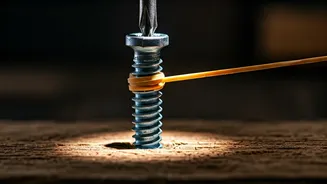
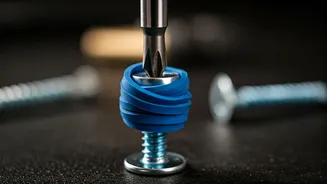
screw head often lead to despair, prompting searches for specialized tools. However, a surprisingly simple yet effective solution might already be within reach – a common rubber band. By placing a wide rubber band flat over the damaged screw head, you can create the necessary friction. Then, using your screwdriver, apply firm pressure directly onto the band. The rubber acts as a temporary filler, bridging the gap in the screw head and providing enough grip for the screwdriver to engage and turn the screw. This ingenious method leverages basic mechanical principles to overcome a frustrating DIY obstacle without needing new tools or advanced techniques.
Understanding Screw Stripping
To truly appreciate the rubber band trick, it’s helpful to grasp why screws strip in the first place. This typically happens when excessive force is applied, causing the screwdriver bit to slip and grind against the screw head's drive recess. This slippage essentially chews away the metal, creating that frustratingly smooth, rounded-out hole. Studies in mechanics, even those applied to delicate procedures like orthopedic surgery, highlight that the depth of a screwdriver's engagement with the screw head is paramount in preventing this cam-out effect. When a screw is stripped, this critical engagement is lost. The rubber band's magic lies in its ability to partially restore this lost volume and create a custom-fit interface, giving the screwdriver enough purchase to grip and extract the screw once more, effectively compensating for the compromised metal.
Preventing Future Strips
While the rubber band hack is a lifesaver, the best approach is always prevention. Stripping often occurs due to improper force application or an ill-fitting screwdriver. Professionals recommend immediately ceasing any attempts to force a slipping screw, as this only exacerbates the damage, essentially polishing the metal and making extraction even harder. Ensuring your screwdriver is perfectly upright and applying consistent downward pressure can significantly reduce the risk of cam-out. For ongoing projects, consider using screws with more robust head types. Hex or Torx heads, for instance, offer superior resistance to stripping compared to traditional Phillips heads, providing a more secure grip and minimizing the likelihood of encountering this common DIY woe. Investing in quality fasteners can save considerable frustration down the line.
Advanced Extraction Techniques
For those extremely stubborn screws that even a rubber band can't conquer, more robust solutions exist. In professional fields like surgery, specialized tools such as a 'hollow mill' are used to carefully cut around a stuck screw without damaging surrounding materials. While you won't need surgical instruments for household repairs, the principle is similar to using a commercial screw extractor. These devices are designed to be inserted into the center of the damaged screw, creating a void into which they can then grip and twist the screw outwards. Additionally, a small amount of lubricant, like wax, can be beneficial. Applying it to the screw threads, much like surgeons use bone wax to prevent debris, can ease insertion and extraction, reducing the friction that often leads to stripping in the first place. Combining practical tricks with an understanding of hardware can turn you into a DIY problem-solver.