





Protein's Crucial Role
Your hair's structural integrity is largely dependent on protein, particularly keratin. When your dietary protein intake falls short, your body conserves
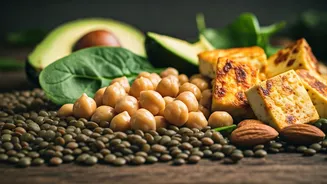
this vital nutrient for essential bodily functions, consequently deprioritizing hair growth. This shift can lead to an increased shedding phase, making hair noticeably thinner. Research, such as that published in the Journal of Cosmetic Dermatology, substantiates the connection between inadequate protein consumption and hair thinning, especially among individuals undergoing restrictive diets. To counteract this, aim to incorporate a protein source, whether from eggs, legumes, dairy, nuts, or lean meats, into every meal. This consistent intake supports the continuous production of keratin, essential for maintaining hair's strength and thickness and preventing excessive loss.
Iron for Vitality
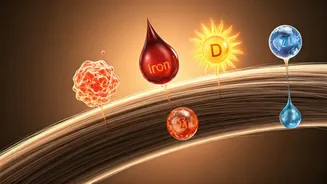
Iron deficiency is a particularly prevalent concern, especially among women, and it profoundly impacts hair health by affecting oxygen transport. Hair follicles require a steady supply of oxygen to remain healthy and function optimally. When iron levels, particularly ferritin, are low, this oxygen supply is compromised, leading to weakened follicles and increased hair shedding. Studies, including one in the Journal of the American Academy of Dermatology, have identified a strong correlation between insufficient iron and conditions like telogen effluvium. If you experience persistent fatigue, dizziness, or pale skin alongside hair fall, an iron deficiency might be a contributing factor. To bolster your iron stores, prioritize iron-rich foods such as leafy greens like spinach, beetroot, lentils, and dates. Incorporating vitamin C sources, like a squeeze of lemon, enhances iron absorption, making your dietary efforts more effective.
Vitamin D's Impact
Often recognized for its role in bone health, Vitamin D also plays an underappreciated part in maintaining healthy hair. Low levels of this vitamin have been linked to various forms of hair loss, including patchy thinning. A study featured in Dermatology and Therapy indicated that individuals experiencing hair loss frequently exhibit lower Vitamin D concentrations. The challenge lies in the fact that many people are deficient without realizing it, especially those who spend limited time outdoors. Ensuring regular, moderate sun exposure, even just 15-20 minutes daily, can help boost Vitamin D levels. Dietary sources like eggs, fortified dairy products, and fatty fish also contribute. For persistent deficiencies, medical consultation for supplements may be advisable.
Zinc's Repair Function
Zinc, though perhaps less discussed, is a powerhouse mineral crucial for hair repair and promoting healthy growth. It plays a key role in maintaining the structure and function of hair follicles, ensuring the proper working of surrounding oil glands. A deficiency in zinc can render hair brittle, dry, and more susceptible to breakage and shedding. Research presented in the Annals of Dermatology suggests a link between low zinc levels and hair loss, with improvements observed when zinc intake is increased. Moreover, a lack of zinc can manifest as a dry, flaky scalp, further exacerbating hair concerns. Incorporating zinc-rich foods like pumpkin seeds, nuts, whole grains, dairy, and legumes into your diet is a straightforward way to support your hair's well-being and combat deficiency-related issues.
Biotin for Strength
Biotin, a B vitamin often marketed as a 'hair vitamin,' contributes significantly to hair strength and resilience. While not a miracle cure, adequate biotin levels help prevent hair from becoming brittle, thin, and prone to breakage. Although true biotin deficiency is relatively uncommon, it can still contribute to hair loss, particularly in individuals with suboptimal diets or certain underlying health conditions, as noted in a review in Skin Appendage Disorders. Many people obtain sufficient biotin through their regular food intake, making supplements unnecessary for most. Excellent dietary sources include egg yolks, nuts, seeds, bananas, and whole grains, emphasizing a food-first approach before considering supplementation.