


Rethinking White Food Myths
The notion that all white foods are inherently unhealthy is a misconception, often stemming from confusion with heavily processed items. Foods like refined
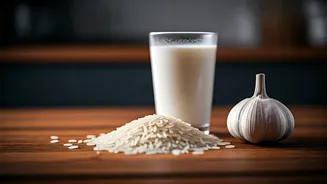
sugar, white bread, and sugary cereals are indeed stripped of essential nutrients and packed with additives, contributing to negative health outcomes. However, natural white foods, such as rice, milk, and garlic, are minimally processed and retain significant nutritional value. The key differentiator isn't the color of the food, but rather its quality and how it's prepared. A wholesome meal of steamed rice with lentils and sautéed garlic provides nourishment, starkly contrasting with the empty calories from packaged white snacks. Shifting the focus from color to the intrinsic quality and preparation methods is crucial for making informed dietary choices.
Rice: Energy Staple
Rice stands as a global dietary cornerstone, cherished for its easily digestible carbohydrates that provide a rapid energy source. This makes it a particularly beneficial food for children, the elderly, and individuals recuperating from illness. While the polishing process for white rice does reduce its fiber content, it still retains trace amounts of B vitamins and essential minerals. To transform rice into a nutritionally complete meal, pairing it with protein-rich sources like dal or yogurt, and fiber-rich vegetables, is highly recommended. Research suggests that cereals like rice can form a substantial part of a balanced Indian diet, provided they are consumed in conjunction with protein and fiber. Mindful portion control is paramount; a moderate serving, balanced with lean proteins and greens, helps regulate blood sugar levels and prevents overconsumption, making it a sustainable part of daily nutrition.
Milk: Beyond Calcium
Milk has been an integral part of Indian culinary traditions for centuries, serving as a rich source of calcium, protein, and vitamin B12. These nutrients are vital for maintaining strong bones and supporting nerve function, playing a critical role in bone density for growing children and aging adults. Studies, including those supported by India's National Institute of Nutrition, highlight milk's contribution to daily nutrient intake, especially for individuals following vegetarian diets where vitamin B12 sources can be limited. However, some individuals may experience digestive discomfort due to lactose intolerance. In such cases, opting for fermented dairy products like curd or buttermilk can be a more digestible alternative, as the fermentation process breaks down lactose, making them easier on the stomach.
Garlic: Potent Powerhouse
Despite its small size, garlic possesses potent health-promoting properties. It contains beneficial compounds like allicin, recognized for their anti-inflammatory and antimicrobial effects. Regular consumption of garlic has been associated with improved cardiovascular health and a strengthened immune system. Extensive global research, including studies referenced by the NIH, underscores garlic's role in potentially lowering blood pressure and supporting overall heart health. Lightly cooking garlic helps preserve its beneficial compounds, whereas consuming it raw can be overwhelming for some. Incorporating a simple 'tadka' (tempering) with garlic can significantly enhance both the flavor and nutritional profile of your meals, making it a small addition with substantial health benefits.
Wise Inclusion Strategies
Achieving a balanced diet hinges on thoughtful integration rather than strict exclusion. Rice, for instance, offers its best nutritional profile when accompanied by fiber-rich foods like vegetables and pulses, transforming it into a more complete and satisfying meal. For milk consumption, individuals experiencing digestive issues might find fermented options like yogurt or buttermilk to be gentler alternatives, as the fermentation process aids digestibility. Garlic can be incorporated daily into various cooking methods, providing its health benefits without the need for supplements. Embracing simple dietary habits, such as combining rice with lentils, choosing fermented dairy if digestion is a concern, and regularly adding garlic to everyday dishes, can collectively contribute to a healthier eating pattern. Prioritizing a well-rounded plate consistently proves more beneficial than adhering to restrictive food choices.
Navigating Cautious Consumption
While white foods like rice, milk, and garlic are generally beneficial for most, certain individuals may need to exercise increased awareness and moderation. People managing diabetes are often advised to monitor their intake of rice, focusing on pairing it with high-fiber foods to help regulate blood sugar responses. Similarly, those with diagnosed lactose intolerance should consider limiting or modifying their milk consumption, perhaps opting for lactose-free versions or plant-based alternatives. Excessive consumption of garlic, though beneficial, can occasionally lead to stomach irritation or potentially interact with certain prescribed medications. Therefore, personal health conditions and existing medical advice should always be the primary guiding factors when making food choices, ensuring that dietary habits align with individual health needs.