


Pongal: A Culinary Journey
Pongal, the name of the festival and a key dish, marks the beginning of the sun's journey northward. The act of boiling rice in a pot until it overflows
symbolizes prosperity and abundance. The Pongal dish is typically made with freshly harvested rice, milk, and jaggery, creating a sweet and creamy concoction that signifies the sweet start of the new season. It's a foundational dish, often the first offering made to the sun god, and a symbol of auspicious beginnings. The preparation is a community event, bringing families together to celebrate and share in the joy of the harvest. Variations in the Pongal recipe may exist across different regions of South India, adding regional flavors to the core ingredients and the festive celebration.
Sweet Pongal's Significance
Sweet Pongal, also known as 'Chakkarai Pongal', is another essential dish. This dessert-like version enhances the sweet taste with added ingredients such as cashew nuts, raisins, and cardamom. This version often holds symbolic significance beyond its delicious taste. The inclusion of jaggery represents sweetness in life, and the nuts and spices symbolize prosperity and the richness of the new season. Its preparation involves carefully combining ingredients to achieve a perfect balance of textures and flavors. Sweet Pongal is often offered to deities during the Pongal festival, reflecting a gesture of gratitude for the harvest. Different families have unique recipes passed down through generations, making each version a testament to their culinary traditions and family histories. The preparation is considered a sacred activity, and the aroma filling homes during Pongal is a cherished memory for many.
Savory Ven Pongal Delights
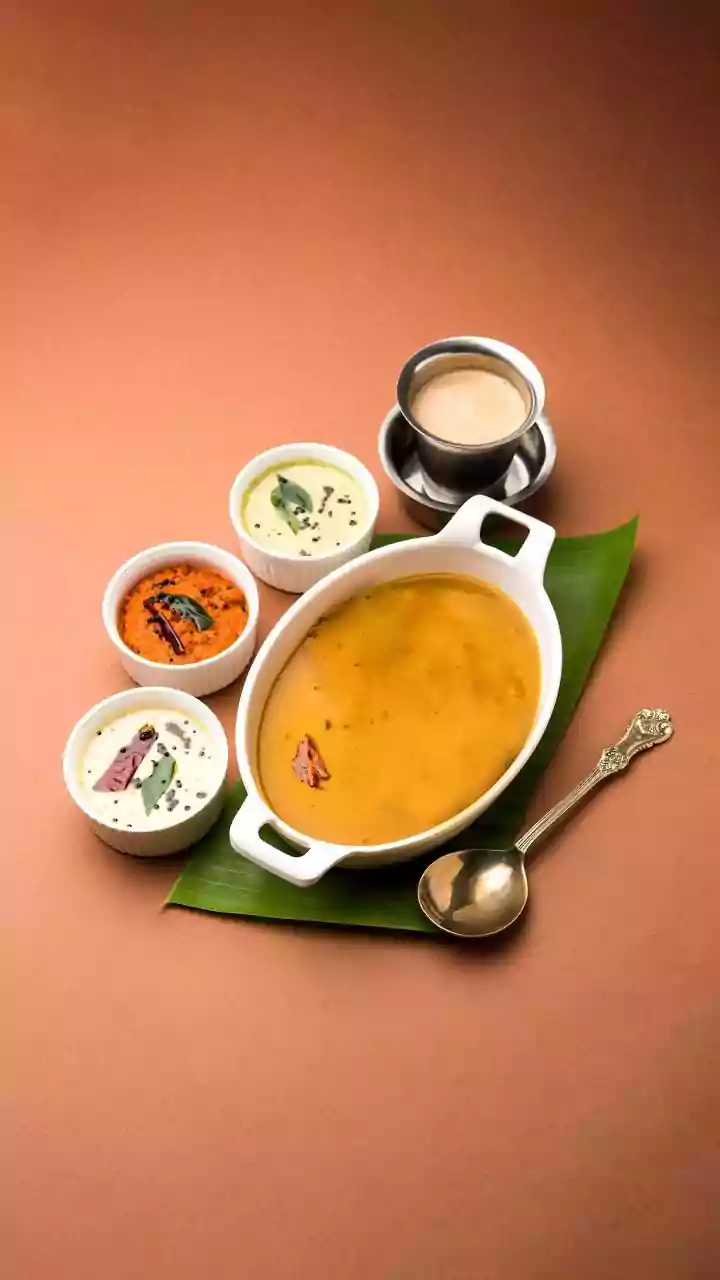
Ven Pongal, a savory variation of the Pongal dish, offers a balanced flavor profile. It is prepared with rice, moong dal (split yellow lentils), pepper, and cumin seeds. This dish is usually seasoned with asafoetida, curry leaves, and other spices, adding a delightful aroma and taste. It is often served with a variety of side dishes, particularly sambar (lentil-based vegetable stew) and coconut chutney. Ven Pongal is not just a food item; it also symbolizes the diversity and richness of South Indian cuisine, offering a savory contrast to the sweetness of the other Pongal dishes. The preparation is usually simple, allowing the natural flavors of the ingredients to shine through, which makes it a popular breakfast or brunch choice throughout the year.
Variety: Vadai and More
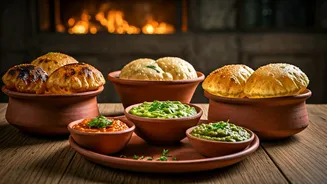
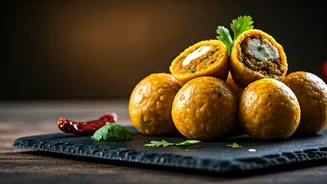
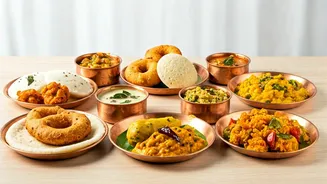
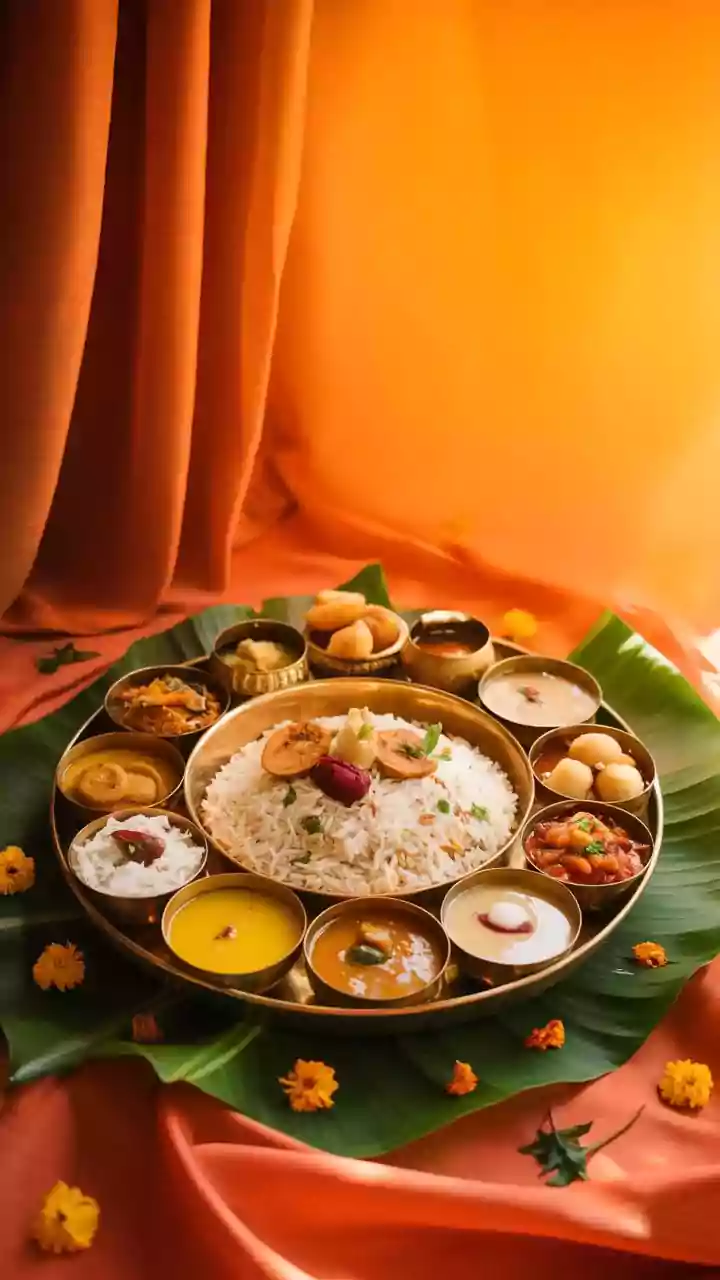
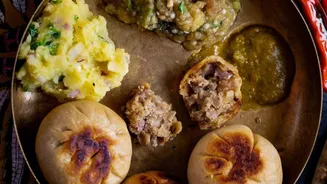
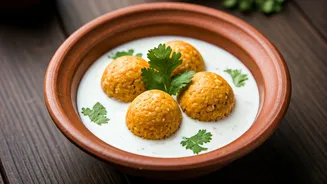
The Pongal celebrations also showcase a range of other traditional dishes. Vadai, a crispy, deep-fried lentil fritter, is commonly served as a side dish. The preparation of vadai involves grinding soaked lentils, mixing them with spices, and frying them until golden brown. It provides a savory crunch and complements other sweet and savory dishes. Sambar, a lentil-based vegetable stew, is another essential accompaniment. Its aromatic blend of vegetables and spices adds a complex layer of flavor, enhancing the overall dining experience. Additionally, various other sweets and savories, such as payasam (a type of sweet porridge) and different types of chutneys, are prepared to create a varied and complete festive meal. These dishes together represent the diversity of South Indian culinary traditions, reflecting the region's rich gastronomic heritage.
Kichdi: Festive Staple
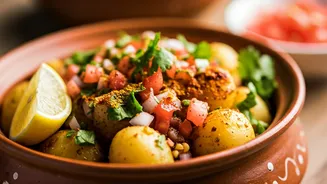
Kichdi, a comforting dish made with rice and lentils, is often prepared. It's a simple, nourishing meal that symbolizes simplicity and togetherness. The ingredients are cooked together, creating a harmonious blend of flavors and textures, with the addition of vegetables and spices like turmeric, coriander, and cumin. Kichdi is easily digestible and suitable for all age groups, making it a staple food item during festive seasons. The preparation typically begins with soaking the rice and lentils, followed by slow cooking until the mixture turns into a soft consistency. It's often served with ghee and a side of yogurt or chutney. Kichdi represents the unity and the communal aspect of the Pongal celebration, with the preparation reflecting the spirit of togetherness.
Curries and Vegetable Delights
Pongal celebrations include a variety of vegetable dishes and curries. These dishes add depth and diversity to the festive menu, enhancing the overall dining experience. Sambhar, a lentil-based vegetable stew, is a staple, providing a balance of flavors and textures. Vegetable curries, prepared with a range of seasonal vegetables, offer a nutritious addition to the meal. Different regions have their own versions, using unique spice blends and cooking methods, enriching the culinary offerings. The vegetable dishes reflect the harvest season's bounty and the significance of fresh, locally sourced ingredients. Preparing a variety of vegetables not only ensures a balanced diet but also pays homage to the land's fertility and the farmers who work to grow the produce. These dishes highlight the importance of fresh ingredients and traditional cooking methods.
Payasam's Sweet Symphony
Payasam, a type of sweet porridge made with milk, sugar, and vermicelli or rice, is often a highlight of the Pongal menu. This dish symbolizes sweetness and prosperity, representing the joys of the harvest season. The preparation of payasam usually involves slowly simmering the ingredients until they blend into a creamy consistency. Payasam often has variations based on ingredients, such as rice, vermicelli, or even dal, adding unique flavors and textures. The addition of nuts and raisins enhances both the taste and festive appeal. Payasam is often offered to the gods during Pongal, as an expression of gratitude for the harvest season. It's a dish enjoyed by people of all ages, creating a sweet finish to the festive meal and marking the celebratory mood.
Appam and Other Delights
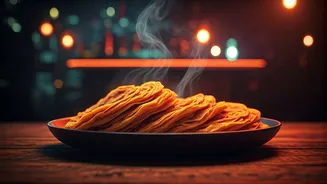
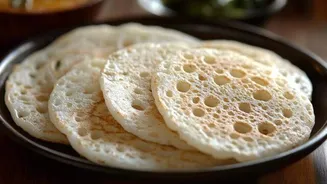
Appam, a pancake-like dish, is a common feature in South Indian cuisine, particularly during festivals. The appam is made from fermented batter, giving it a soft, spongy texture with crispy edges. These are usually served with coconut milk or a vegetable stew. Appam adds a distinctive flavor and texture to the Pongal meal, contrasting with the other dishes. In addition to Appam, other local specialties are sometimes added, with each item adding to the overall diversity. These additional offerings often vary based on region, showcasing the rich culinary landscape of South India. The inclusion of dishes like appam and other local delicacies highlights the cultural richness of the Pongal celebrations, making the festival a culinary delight.
Traditional Desserts: Variations
Beyond the well-known sweet dishes like Pongal and Payasam, the Pongal feast also includes a range of other traditional desserts, each adding its own unique flavor profile. Different regions may contribute their own versions of sweets, using local ingredients to create diverse offerings. For example, some might include variations of ladoos (sweet balls) made with gram flour or coconut, reflecting regional ingredients and tastes. These desserts symbolize the sweetness and joy of the harvest season, representing the abundance of the harvest. Families often have their own special recipes passed down over generations, adding a personal touch to the festive meals. This wide variety highlights the diversity of South Indian cuisine, making the Pongal celebration a true culinary experience, showcasing the culinary heritage and adding to the festive atmosphere.