






Understanding the Contenders
Many are drawn back to the allure of traditional, alcohol-free perfumes as modern scents fade too quickly. When considering which offers superior staying
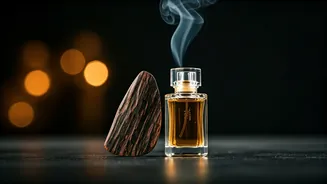
power, two iconic options, Oudh and Itr, frequently emerge. While both are luxurious and steeped in history, their fundamental compositions differ significantly. Itr, often referred to as Attar, is a broad classification encompassing any traditional perfume oil created without alcohol. These oils are crafted by distilling fragrant botanicals like roses, jasmine, or vetiver, with their essences typically captured in a base of pure sandalwood oil. In contrast, Oudh, also known as Agarwood, is a very specific and highly valued ingredient. It's a dark, aromatic resin produced by Aquilaria trees only when they're infected by a particular type of mold. This pure Oudh oil can be worn alone or incorporated into an Itr to create more complex olfactory profiles.
The Longevity Showdown
Both Oudh and Itr, being pure oils without alcohol, naturally adhere more closely to the skin, giving them an inherent advantage over standard commercial spray perfumes. However, when directly compared, pure Oudh typically demonstrates superior endurance. A well-crafted floral or herbal Itr can offer a respectable performance, usually lasting between 6 to 12 hours on the skin – sufficient for most of a typical day. Pure, aged Oudh oil, on the other hand, operates on an entirely different level of tenacity. A small application can easily persist for 12 to 24 hours on the skin. Furthermore, if Oudh oil comes into contact with fabric, its rich aroma can remain for days, and sometimes even weeks, proving remarkably resilient even after multiple washes.
The Science of Scent Retention
The pronounced difference in longevity between Oudh and Itr can be attributed to their molecular structure. In perfumery, the duration a scent lingers is directly linked to the rate at which its molecules evaporate. Oudh is an exceptionally dense and heavy resin. In fragrance formulations, resins and woody notes are classified as 'base notes.' These base notes possess the largest molecules, which inherently leads to a slower evaporation process. Standard Itrs often feature lighter floral molecules, such as those found in rose (Gulab), jasmine (Chameli), or kewra. While the sandalwood base in these Itrs helps anchor the scent to the skin, the more delicate floral components naturally evaporate at a faster pace compared to the substantial weight of Oudh's woody essence.
The Final Fragrance Verdict
When the primary goal is unparalleled, long-lasting fragrance, pure Oudh emerges as the undisputed winner. Alternatively, an Itr formulation that prominently features Oudh, perhaps blended with musk, will also deliver exceptional staying power. The inherently complex, deeply woody, and dense profile of agarwood resin requires significantly more time to degrade and dissipate than the lighter botanical elements typically found in traditional floral or earthy Itrs. Therefore, for those seeking a signature scent that can confidently endure through the longest of days, Oudh is the definitive choice.