






Rejecting Salads
Alia Bhatt, a well-known figure in Bollywood, has openly shared her food preferences, giving a unique view of her approach to eating. She expressed a notable
aversion to salads, stating in her own words, 'Mujhe salad nahi jamta hai,' translating to 'I don't like salads.' This candid statement reveals her preference for desi meals over lighter, more common health foods like salads. Her diet reflects a clear selection for traditional Indian dishes, setting a precedent for a culturally inclined eating plan.
Sugar Avoidance
A crucial element of Alia Bhatt's diet is her comprehensive avoidance of sugar. She has directly mentioned that she 'bilkul touch nahi karti hoon,' meaning she 'completely doesn't touch' sugar. This approach indicates a focused effort to eliminate refined sugars from her diet to promote overall health. By staying away from processed sugars, Alia appears to embrace a dietary habit intended to aid in maintaining her fitness and well-being. This conscious decision underscores a larger emphasis on natural foods and a healthy lifestyle.
Embracing Desi Foods
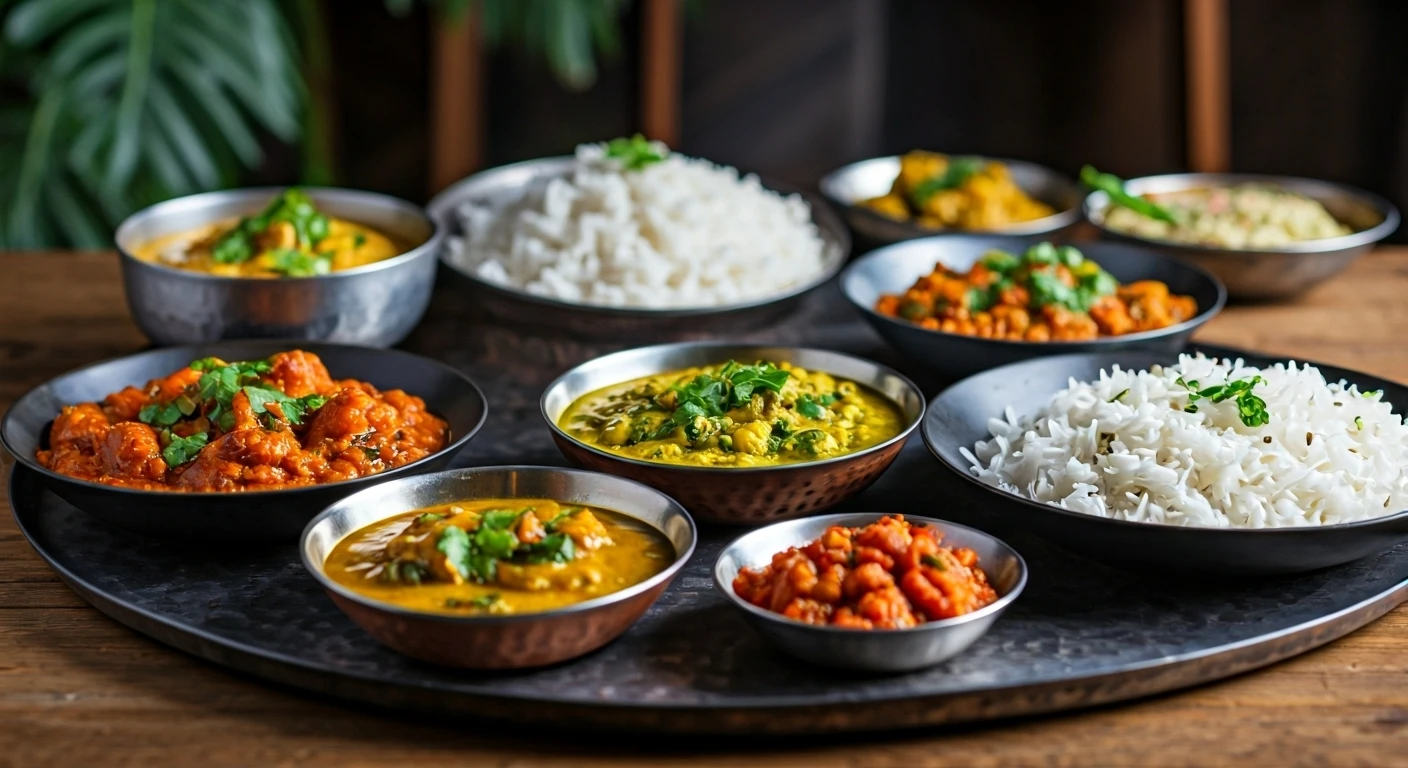
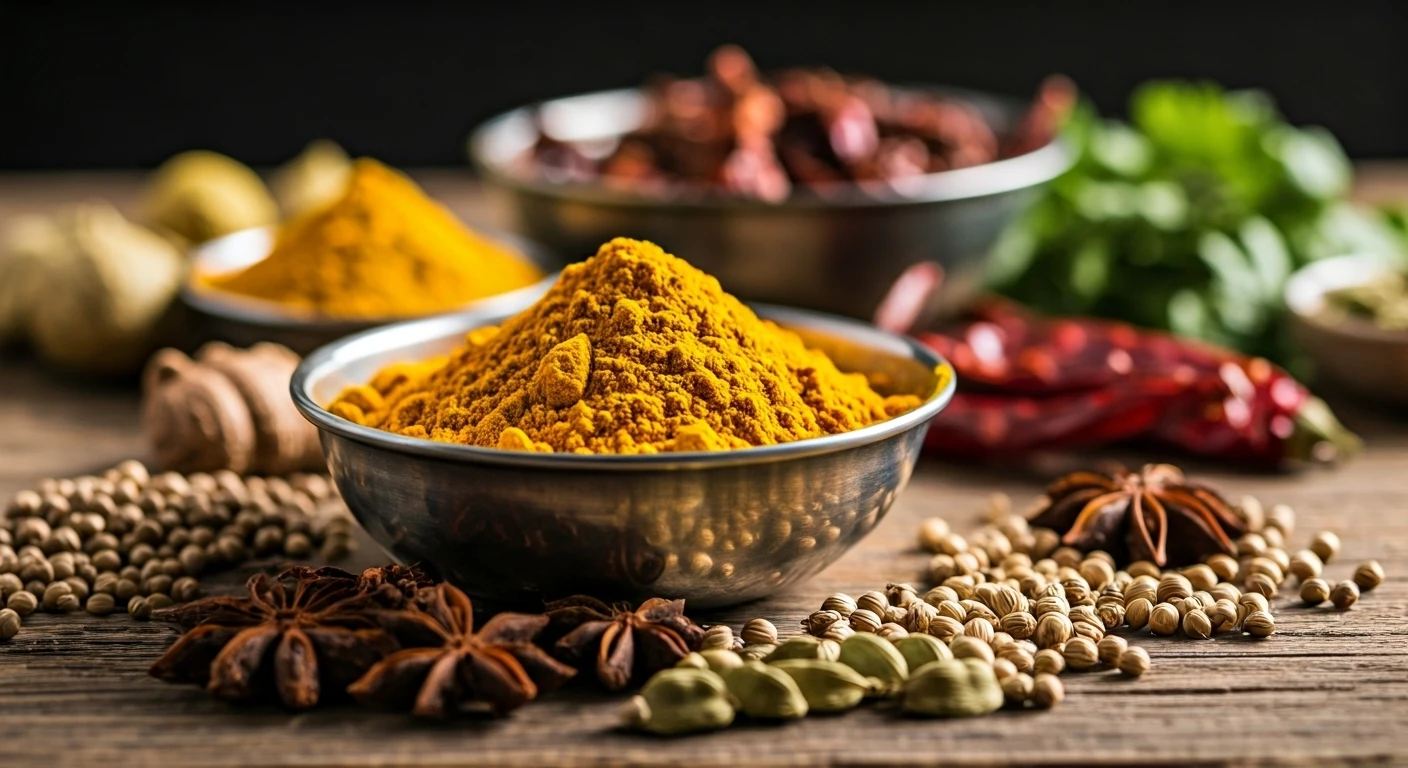
Alia Bhatt's preference for a 'desi diet' highlights the importance of traditional Indian cuisine in her daily eating habits. This preference underscores a holistic approach to food, connecting her choices to Indian culture. Desi diets usually comprise meals like daal-chawal, and a variety of other local foods which are rich in diverse flavors and crucial nutrients. These meals not only offer sustenance but also resonate with India's rich culinary tradition, providing a more personal and culturally suitable approach to wellness.
The Diet's Rationale
The main rationale behind Alia Bhatt's diet stems from a desire to keep her well-being at its peak. By opting out of salads and sugar, she focuses on taking foods that best suit her preferences and needs, ensuring she remains healthy. Her approach is built on simple yet strong dietary choices, demonstrating a deep understanding of the relationship between food and health. This approach serves as a template, displaying how individual decisions can promote health. It also encourages a closer look at personal preferences in maintaining a balanced and culturally relevant diet.