





The Hidden Danger
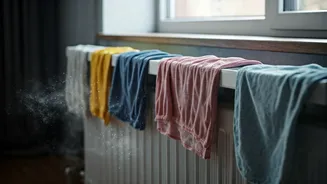
During winter, radiators become a convenient spot for drying laundry, offering a quick solution when outdoor drying isn't feasible. Many appreciate the
dual benefit of speed and added humidity in dry indoor air. However, this seemingly simple act triggers a complex and potentially harmful process. Dust, often considered inert, is actually a mix of dead skin cells, pet hair, pollen, and fabric fibers. When this dust is subjected to the intense heat from a radiator, it becomes more active, releasing particles that can pose significant risks to our respiratory health. The very particles we're trying to avoid by cleaning our homes can become airborne and problematic when heated, turning our radiators into unintentional air polluters.
Particle Physics Unveiled
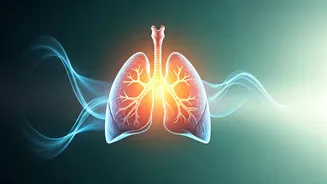
The real concern lies not with the visible clumps of dust, but with the incredibly fine particles it contains. When dust is heated to temperatures typically between 120 and 180 degrees Fahrenheit, its structure undergoes a transformation. This heating process liberates ultrafine particles that were previously trapped. These minuscule particles are so small they can bypass our natural respiratory defenses, like nasal hairs and mucus, and penetrate deep into our lungs. A significant study shed light on this phenomenon, revealing that heating indoor dust leads to a dramatic increase in sub-micron particles. These are essentially tiny condensation particles formed as volatile compounds or water vapor are driven off the dust by the heat. They are light enough to remain suspended in the air for extended periods, lingering long after the laundry is dry and put away, creating an invisible cloud of irritants in our living spaces.
Protecting Your Lungs
The implications of these ultrafine particles are particularly concerning for vulnerable populations, including children, the elderly, and individuals with pre-existing conditions like asthma or allergies. Their minute size allows them to directly irritate lung tissues. In poorly ventilated areas, the concentration of these particles can escalate significantly. The Environmental Protection Agency (EPA) emphasizes that managing the sources of these particles is the most effective strategy for maintaining healthy indoor air quality. Specifically, particles smaller than 2.5 micrometers are deemed particularly hazardous as they can even enter the bloodstream, impacting both lung and heart function. By using radiators as impromptu drying racks, we inadvertently introduce a substantial source of indoor pollution into the rooms we occupy most frequently during winter, compromising the air we breathe.
Breathing Easy Solutions
While eliminating indoor dust entirely is challenging, controlling it is certainly achievable. Disturbances and warming are primary culprits in lifting settled dust into breathable air. Therefore, placing wet laundry directly on a heated radiator intensifies this issue, especially for those sensitive to poor air quality. To enjoy fresh air while still air-drying clothes, it's crucial to separate the heat source from the drying garments. Consider using a portable folding drying rack placed a few feet away from the radiator. This allows the ambient warmth in the air to do the drying, preventing the overheating of dust on the radiator's surface and promoting more even heat distribution throughout the room. Regular radiator maintenance, including cleaning the fins with a damp cloth or brush before the heating season, significantly reduces the number of particles available to be heated and dispersed. For frequent indoor drying, investing in an air purifier equipped with a HEPA filter can further capture these extremely fine particles, ensuring a healthier indoor environment.