






Initial Considerations Revealed
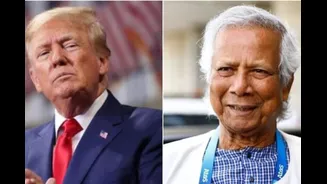
Reports suggested that Trump exhibited a tendency to prevent ExxonMobil from returning to Venezuela's oil fields. While the official reasons behind this
preference weren't explicitly detailed, various possibilities could have influenced his decision. The geopolitical dynamics within the region, specifically regarding U.S.-Venezuelan relations, played a pivotal role. The financial conditions, and the existing framework of the oil industry in Venezuela at the time, also weighed in. Moreover, the broader diplomatic strategy that the U.S. maintained towards Venezuela likely contributed to the inclination to keep ExxonMobil out. These various elements, often intertwined, shaped the former President's approach to the situation.
Geopolitical Chessboard
One of the critical factors in understanding Trump's position was the strategic relationship between the United States and Venezuela. Venezuela, rich in oil resources, has experienced political turmoil and varying degrees of international isolation. The U.S., with its interests in regional stability and energy security, had to carefully navigate these challenges. The existing political tensions, rooted in ideological disagreements and historical disputes, undoubtedly influenced the U.S. approach. The U.S. government, under Trump, had to assess how ExxonMobil's presence could affect this delicate balance. Furthermore, they were likely evaluating whether the involvement of a major U.S. oil company would align with broader foreign policy goals concerning Venezuela. These complicated considerations made for a complex equation.
Economic and Strategic Stakes
Beyond political tensions, economic considerations were central to the evaluation of ExxonMobil's potential return. The existing financial climate in Venezuela, and the contractual environment that ExxonMobil would have faced, were significant factors. The structure of the Venezuelan oil sector, including the distribution of assets and existing agreements, impacted the business conditions for ExxonMobil. Negotiations over the terms of any new deal would also be extremely complex, and subject to economic hurdles. There's also the element of energy independence for the United States. Whether ExxonMobil’s involvement served the broader strategic interests of the U.S., in terms of diversifying its energy supply and reinforcing its influence in the region, would have been considered. These interconnected strategic factors would have informed the decisions made.
Diplomatic Strategy Unveiled
Another crucial aspect of Trump's disposition was the wider diplomatic strategy toward Venezuela. The U.S. often employs a range of diplomatic tools, including sanctions, negotiations, and political support, to achieve its goals. The decision regarding ExxonMobil was almost certainly aligned with that approach. The inclusion or exclusion of a major U.S. company would have been considered a significant diplomatic move. It would send a message to the Venezuelan government. Furthermore, it could influence other international actors. The U.S. might use this as leverage in wider discussions, or as a signal of its position. The strategic management of the relationship with Venezuela, and the pursuit of broader diplomatic objectives, were vital to any decision.
ExxonMobil’s Perspective
For ExxonMobil, the prospect of returning to Venezuela involved a careful evaluation of the financial and operational risks. The political climate, the security of investments, and the potential for a profitable return were all significant. The company's prior investments in Venezuela, and the history of its involvement in the country's oil sector, were relevant factors. ExxonMobil would have assessed the legal and regulatory landscape, and how it could protect its interests within the existing framework. Any decision to re-enter the market would depend heavily on the terms offered by the Venezuelan government. The company needed to be confident that it could operate effectively and securely. They would also require an agreement that ensured long-term viability.
Impact and Future Outlook
The consequences of Trump's inclination, whatever the final result, would be far-reaching. It would have affected both the Venezuelan oil industry and the strategic relationships in the region. Excluding ExxonMobil could potentially limit foreign investment in Venezuela’s oil sector. It would create a challenge to the country's capacity to boost production. Such a move would impact the Venezuelan government's ability to access international markets and secure its financial stability. The absence of ExxonMobil also meant altered dynamics between the U.S. and Venezuela. The long-term implications of these choices would influence the trajectory of both countries and the balance of power in the region. This is a complex situation that continues to evolve.