




Summer's Toll On Hair
As temperatures soar, hair often transforms from manageable to problematic, becoming dry, frizzy, and prone to shedding. In regions like India, where mercury
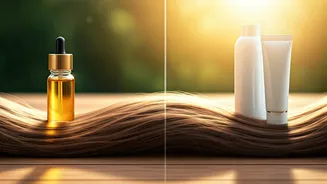
frequently exceeds 40 degrees Celsius, the relentless combination of intense heat, humidity, pollution, and sun exposure can significantly exacerbate hair concerns. This often leads to the pressing question: is it time to increase hair oiling or should conditioner be the go-to solution for preventing hair fall during these challenging months? Both hair oil and conditioner play roles, but they function in fundamentally different ways, and understanding this distinction is crucial to avoid common pitfalls like over-oiling or completely neglecting conditioning.
Why Hair Falls More
The period between April and July often sees a noticeable increase in hair shedding, and this phenomenon is rooted in physiological responses to summer's heat. Elevated temperatures prompt the scalp to produce more sweat and sebum. This excess oil, mixed with accumulated dirt, pollution, and product residue, can lead to scalp irritation and weakened hair follicles over time, especially for individuals already dealing with dandruff or an oily scalp. Concurrently, potent UV radiation strips moisture from hair strands, damaging the outer cuticle and making hair susceptible to rapid dehydration. Frequent outdoor exposure, travel, and excessive washing further contribute to moisture loss, creating a perfect storm for hair fall. Adding to this are factors like hard water, swimming pool chlorine, tying damp hair, heat styling, dehydration, and restrictive diets, all of which collectively stress the hair and scalp, making it clear that summer hair fall is often a multifaceted issue involving both scalp health and hair strand integrity.
The Role of Hair Oil
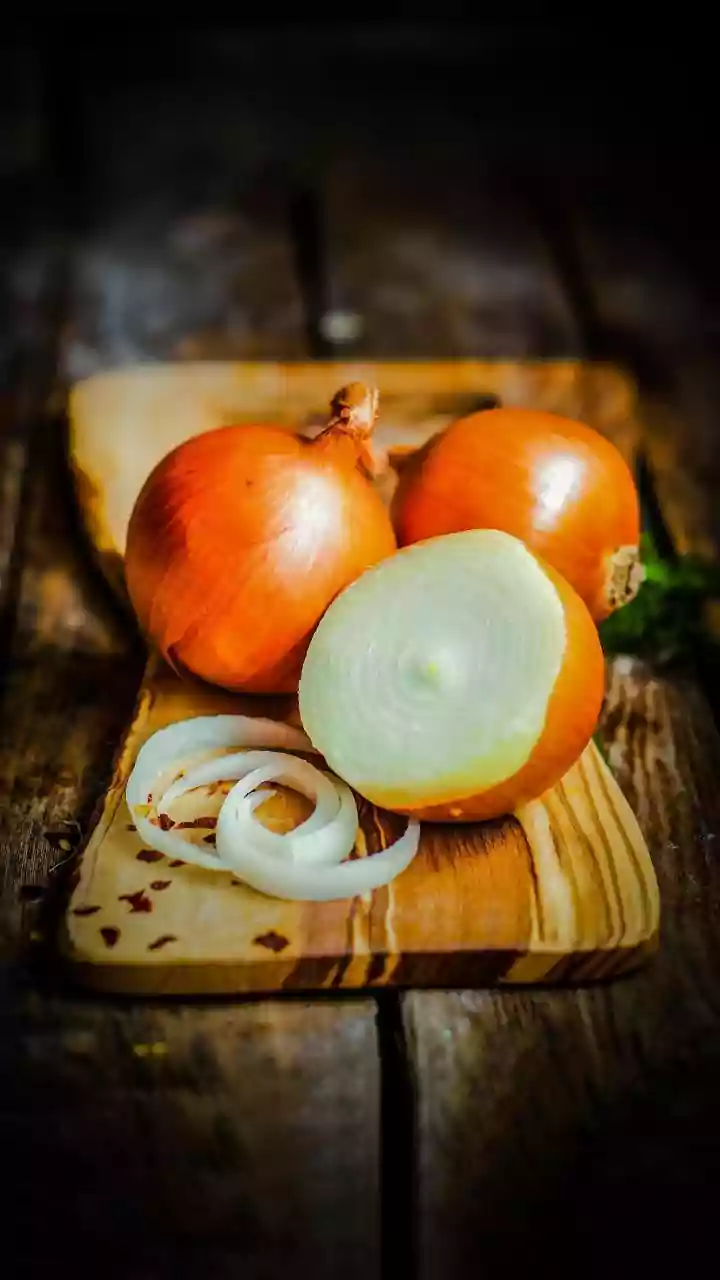
In many Indian households, hair oiling is a deeply ingrained ritual, often passed down through generations. While beauty trends evolve, the practice of oiling, when executed correctly, remains beneficial. Hair oils primarily serve to nourish the scalp, enhance blood circulation through massage, combat dryness, and mitigate protein loss from the hair shaft. Certain oils also possess anti-inflammatory properties that can help soothe the scalp and promote healthier root development. Coconut oil, a staple in India, is particularly effective due to its ability to penetrate the hair shaft, thereby reducing protein damage. A light application of coconut oil before shampooing can significantly improve the softness and strength of dry, brittle hair. Other popular choices for hair fall concerns include Bhringraj, rosemary, almond, and onion oils. However, the common misconception that more oil equals less hair fall is inaccurate. Over-oiling, especially in humid summer conditions, can clog pores, attract more dirt and sweat, exacerbate dandruff, and create a greasy scalp. For many, leaving thick oil on the scalp overnight during peak summer is not advisable and can lead to irritation. Dermatologists now frequently advocate for lighter, shorter oiling sessions, with a 30-45 minute massage before shampooing often being sufficient for most individuals.
Conditioner's Protective Action
Conditioners operate on a different principle than hair oils. While oils focus on the scalp and roots, conditioners primarily target the hair strands themselves. The summer heat tends to lift the outer layer of the hair shaft, known as the cuticle, leaving strands rough, parched, and susceptible to breakage. Many individuals mistake this breakage for actual hair fall. Conditioner works by smoothing this lifted cuticle, effectively sealing in moisture, reducing frizz, softening the hair, and making it less prone to snapping when brushed or styled. In the context of Indian summers, where frequent shampooing might be necessary due to sweat, conditioner becomes an essential part of hair care. A common myth suggests that conditioner causes hair fall, often stemming from noticing loose strands during rinsing. However, these hairs were typically already detached before conditioning. In reality, conditioner helps prevent unnecessary breakage, particularly for hair types that are naturally prone to dryness or damage, such as curly, chemically treated, colored, wavy, or long hair exposed to the sun regularly. Skipping conditioner after shampooing can leave hair brittle, highlighting its crucial role in maintaining hair's texture and integrity.
Balancing Oil and Conditioner
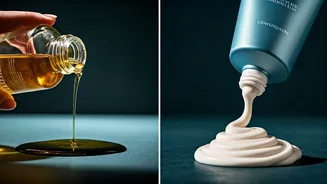
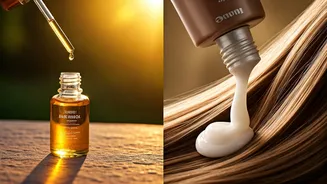
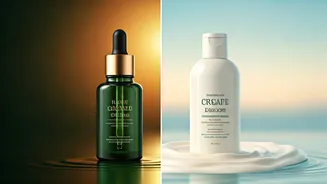
Ultimately, neither hair oil nor conditioner acts as a singular magic bullet for stopping hair fall; they address distinct issues. Hair oil is primarily beneficial for scalp health, helping to alleviate dryness, itchiness, or irritation. Conversely, conditioner is essential for protecting the hair shaft, improving its texture, and preventing breakage. For most individuals experiencing summer hair issues, a combination of both, used judiciously, is the most effective approach. The key lies in moderation and understanding your specific hair needs. Over-reliance on heavy oiling in the heat can worsen scalp conditions, while skipping conditioner can leave hair vulnerable to breakage. Finding the right balance ensures that both the scalp and the hair strands receive the necessary care to withstand the rigors of summer, leading to healthier, more resilient hair.
Common Summer Hair Mistakes
Several common practices can inadvertently worsen hair fall during the summer months. Heavy, overnight oiling in extreme heat is a major culprit, as it can trap sweat and dirt, exacerbating dandruff and scalp irritation for some. Conversely, completely skipping conditioner is another frequent error; many still perceive it as an unnecessary luxury rather than a vital component for moisture replenishment, especially since summer heat strips moisture from all hair types. Aggressive washing with strong shampoos to combat sweat can strip the scalp of its natural oils and damage hair texture. Tying wet hair tightly is detrimental, weakening hair roots and increasing breakage during humid weather. Furthermore, inadequate scalp hygiene, allowing sweat buildup, can foster fungal issues and dandruff. Recognizing these mistakes is the first step toward adopting a more effective summer hair care regimen that prioritizes the health of both scalp and strands.
Ideal Summer Hair Routine
Achieving healthier hair during the Indian summer hinges on balance rather than extremism. A consistent, simple routine is often most effective. This typically includes a light oil massage once or twice weekly, using a gentle shampoo tailored to your specific scalp type, and applying conditioner after every wash to replenish moisture and smooth the hair cuticle. It's also crucial to minimize excessive heat styling and protect your hair from harsh sun exposure. Hydration from within is paramount, so ensure you are drinking enough water. Furthermore, internal nutrition plays a significant role; a diet rich in protein and iron is vital, as deficiencies in these, along with stress, poor sleep, and dehydration, are major contributors to hair fall. No topical treatment can fully compensate for an exhausted or depleted body. Therefore, a holistic approach that considers both external care and internal well-being is key to maintaining robust hair health throughout the summer.
Selecting the Right Oils
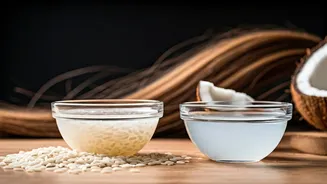
For most individuals navigating the Indian summer, a selection of oils can provide targeted benefits. Coconut oil is a versatile choice, particularly effective for dry hair, offering deep nourishment. Rosemary oil is recognized for its stimulating properties, which can benefit the scalp and hair growth. Bhringraj oil is a traditional Ayurvedic ingredient widely used for its hair-strengthening properties. Almond oil is excellent for conditioning dry ends and imparting softness. Argan oil is a good option for controlling frizz and adding shine. However, when choosing oils for humid climates common in cities like Mumbai or Chennai, it's advisable to opt for lighter formulations. Very thick oils can feel heavy and uncomfortable in high humidity, potentially leading to scalp issues. Selecting an oil that suits your hair type and the local climate will ensure it effectively nourishes without causing unwanted greasiness or discomfort.
Choosing Effective Conditioners
During summer, lightweight, hydrating conditioners generally outperform heavy, creamy formulas. These lighter conditioners are better equipped to provide moisture without weighing hair down, which is particularly important in humid weather. Look for conditioners that contain beneficial ingredients such as keratin, which helps repair and strengthen hair; argan oil and shea butter, known for their moisturizing and softening properties; coconut milk and aloe vera, which offer hydration and soothing benefits; and hyaluronic acid, a powerful humectant that draws moisture into the hair. It is generally recommended to avoid applying conditioner directly to the scalp unless the product explicitly states it is formulated for scalp use. Most conditioners are designed to work on the hair strands to detangle, smooth, and protect, and applying them directly to the scalp can sometimes lead to product buildup or a greasy feel, counteracting the benefits of cleansing.
Achieving Hair Balance
Ultimately, maintaining healthy hair during summer does not necessitate an overly complicated or elaborate regimen. The pursuit of luscious locks doesn't require a plethora of serums or expensive salon treatments. Consistency in fundamental hair care practices is paramount. This includes ensuring a consistently clean scalp, providing adequate moisture to the hair strands, minimizing exposure to damaging heat, and maintaining good overall nutrition. Developing a routine that is specifically suited to your local climate and individual hair needs is far more effective than adopting fleeting trends. Therefore, if you find yourself pondering the superiority of hair oil versus conditioner for summer hair fall, remember their distinct yet complementary roles: oil nurtures the roots and scalp, while conditioner fortifies the strands. Healthy, resilient hair typically flourishes when both work harmoniously.