




Beetroot Juice Boost
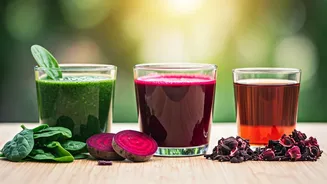
Beetroot juice is a powerhouse of nutrients, and its impact on blood pressure is well-documented. Studies have shown that consuming beetroot juice can
significantly lower both systolic and diastolic blood pressure. This effect is largely attributed to the high concentration of nitrates found in beetroot. When ingested, nitrates are converted into nitric oxide, which helps to relax and widen blood vessels, thereby improving blood flow and reducing pressure. You can easily incorporate beetroot juice into your morning routine by either juicing fresh beetroots or using commercially available beetroot juice. For optimal benefits, it's recommended to consume a glass of beetroot juice daily. However, it’s always wise to consult with a healthcare professional before making significant dietary changes, especially if you're already managing blood pressure with medication.
Hibiscus Tea's Power
Hibiscus tea, known for its vibrant color and tart flavor, is another excellent choice for managing blood pressure. Research suggests that regularly drinking hibiscus tea can lead to a noticeable reduction in blood pressure. The active compounds in hibiscus, such as anthocyanins and other antioxidants, are believed to contribute to these beneficial effects. These compounds help relax blood vessels and reduce inflammation, contributing to lower blood pressure readings. Preparing hibiscus tea is simple: steep the dried hibiscus flowers in hot water for about 5-10 minutes. Drinking a cup or two of hibiscus tea daily may provide a noticeable effect on your blood pressure. However, it's crucial to be aware of potential interactions, especially if you're taking any blood pressure medications, so discussing this with your doctor is advisable to ensure it is safe for you.
Tomato Juice Benefits
Tomato juice, often overlooked, offers significant benefits for cardiovascular health, including blood pressure reduction. Tomatoes are rich in nutrients such as lycopene, potassium, and vitamins C and E, all of which contribute to maintaining healthy blood pressure levels. Lycopene, a powerful antioxidant, helps protect blood vessels from damage, while potassium aids in regulating blood pressure. Regularly consuming tomato juice has been associated with lower blood pressure readings in various studies. Freshly squeezed tomato juice is the best option to ensure you're getting the full benefits, but commercially available, low-sodium varieties can also be used. A daily serving of tomato juice is a simple way to boost your intake of heart-healthy nutrients. Always check with a healthcare provider about how to include it into your dietary routine, if you are currently taking blood pressure medicine.