






The Undeniable Appeal of Clutter
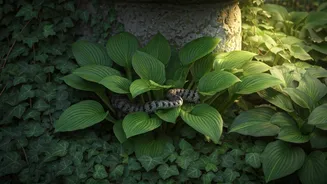
Contrary to popular belief, snakes aren't just creatures of forests or vast fields; your garden can be a prime habitat. They seek essential resources:
a safe place to rest, a reliable food source, and protection from the elements and predators. Hidden spots are key to their survival strategy, and it's precisely because they value discretion that we often miss their presence. Understanding these favorite haunts is crucial for avoiding unwelcome encounters and promoting a harmonious coexistence. The most common and perhaps most overlooked sanctuary for snakes lies within piles of debris – think stacks of wood, heaps of fallen leaves, or any collection of garden waste. These areas provide the perfect combination of seclusion and shelter, offering a vital refuge from both harsh weather conditions and potential threats. The dense nature of these piles creates numerous small, shaded crevices and insulated pockets that are ideal for snakes to retreat into, especially during times when they need to regulate their body temperature or simply avoid detection.
Why These Spots Entice
Snakes are strategic in their choice of hiding spots, prioritizing needs essential for survival. Primarily, they seek secure and consistently warm environments to avoid becoming easy prey in open spaces. Piles of wood or thick organic matter offer excellent concealment, shielding them from aerial and terrestrial predators. Furthermore, these insulated areas help maintain a stable body temperature, a critical biological function for reptiles who rely on external sources for heat regulation. Areas rich in moisture, often found under damp leaves or within decaying wood, are also highly attractive, especially for certain species. Beyond shelter, these cluttered zones frequently attract smaller creatures like rodents and insects, which serve as a readily available food supply for snakes, further cementing these locations as desirable habitats. This combination of safety, stable temperatures, and abundant food makes garden debris a magnet for snakes.
Beyond the Debris Piles
While clutter is a major draw, snakes can and do find refuge in other garden areas if the conditions are right. Unruly, overgrown grass provides excellent cover for movement and concealment, making it easy for snakes to navigate unseen. Similarly, beneath large stones and rocks, they find not only shade but also surfaces that absorb and retain heat, creating a cozy microclimate. Man-made structures like garden sheds, storage units, or even unoccupied toolboxes offer dark, quiet, and undisturbed spaces that appeal to their need for safety. Areas close to water sources, such as ponds, leaky faucets, or drainage areas, can also attract snakes, often indirectly. These wet environments support a greater abundance of insects and small animals, which in turn attract the snakes that prey on them. Therefore, a comprehensive approach to snake-proofing involves assessing various potential hiding spots throughout your garden landscape.
Subtle Signs of Presence
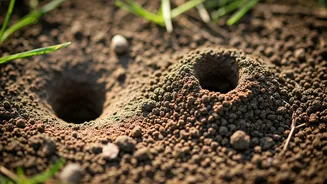
Detecting a snake's presence often requires keen observation, as they are masters of evasion. One of the most definitive indicators is finding shed snake skin. As snakes grow, they periodically molt, leaving behind a dry, translucent casing that retains the shape of their body. Another clue can be faint slithering tracks, particularly noticeable in dusty or soft soil, appearing as delicate, curved lines. An increase in rodent activity within your garden might also signal a snake's presence, as these small mammals are a primary food source. Finally, keep an eye out for unusual holes or gaps in the ground, walls, or fences; these could be pre-existing burrows or entry points that snakes have adopted for shelter. Recognizing these subtle signals can help you identify potential snake habitats before a direct encounter occurs, allowing for proactive management.
The Unseen Occupant
Snakes' ability to remain undetected is largely due to their inherent nature. They are naturally cautious creatures, programmed to avoid confrontation and interaction with larger animals, including humans. Their movements are often silent and deliberate, allowing them to blend seamlessly with their surroundings. This innate desire for discretion means they typically remain hidden, only becoming active when necessary for hunting, thermoregulation, or reproduction. Unless directly disturbed or cornered, they will actively seek to avoid detection, making them incredibly difficult to spot even when in close proximity. This remarkable camouflage and stealth are the primary reasons why snakes can inhabit garden spaces for extended periods without their presence being noticed, contributing to the element of surprise when they are eventually seen.
Assessing the Risk
It's important to understand that not all snakes pose a threat. Many species are beneficial, playing a vital role in controlling pest populations like rodents, thereby contributing to a healthier garden ecosystem. However, awareness of potential risks is still crucial. Some regions are home to venomous snake species, and any snake, regardless of its venomous nature, may bite if it feels threatened or cornered. Accidental encounters can lead to fear or panic, especially if one is not prepared for such an event. Therefore, while appreciating their ecological role, it's wise to maintain a respectful distance and implement strategies to minimize close encounters, ensuring both human and snake safety.