
Kitchen's Gentle Tan Removers
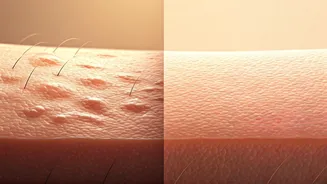
Summer adventures often leave us with a beautiful tan, but the lingering evidence can be a bother. While time naturally fades tanned skin as dead cells
shed, this process can feel agonizingly slow. Fortunately, you don't need costly salon treatments or harsh chemicals to accelerate this. Your own pantry and refrigerator are brimming with natural, scientifically-proven ingredients capable of boosting cell turnover and unveiling a more luminous skin tone. This guide will walk you through safe and natural methods to bid farewell to that lingering summer tan.
The Lemon Safety Warning
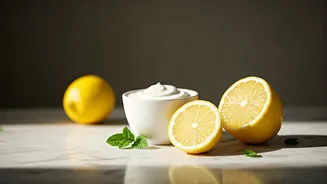
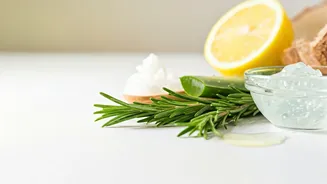
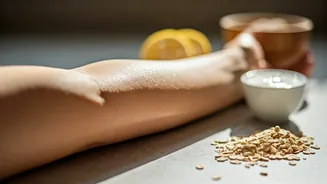
Before embarking on any DIY skincare regimen, a crucial caution is paramount: steer clear of applying lemon juice directly to your skin. Despite widespread online recommendations for using lemon as a natural bleaching agent, its high acidity can severely compromise your skin's protective moisture barrier. Even more alarming, exposing skin treated with citrus to sunlight can trigger phytophotodermatitis, a severe and painful blistering reaction resembling a chemical burn. Always prioritize safety by conducting a patch test on a small, inconspicuous area, like the inside of your wrist, before applying any new ingredient to your face. Remember that the fresh, delicate skin revealed after exfoliation is exceptionally vulnerable. Without diligent, daily application of broad-spectrum sunscreen, this newly exposed skin is at risk of tanning or burning all over again.
Besan and Turmeric Powerhouse
The age-old remedy of a gram flour (besan) and turmeric paste, beloved by grandmothers, is scientifically sound. Gram flour offers a wonderfully satisfying yet gentle physical exfoliation, effectively buffing away rough textures. Simultaneously, turmeric, rich in curcumin, acts as a potent antioxidant. Curcumin is known to play a role in regulating melanin production, contributing to a more uniform and brighter skin tone. A simple mix with a bit of milk or water transforms these ingredients into a traditional paste that effectively clears away dullness and accumulated tan.
Papaya's Enzymatic Action
Don't discard that ripe papaya slice; it's a potent skincare ally! Mashed ripe papaya contains an enzyme called papain, which functions as a remarkably gentle exfoliant. Papain works by specifically targeting and dismantling inactive proteins, effectively dissolving the dull, tanned dead cells clinging to your skin's surface. This natural enzymatic action allows for the removal of dead cells without any need for vigorous rubbing, making it a soothing option for tanned skin.
Aloe and Tomato Soothers
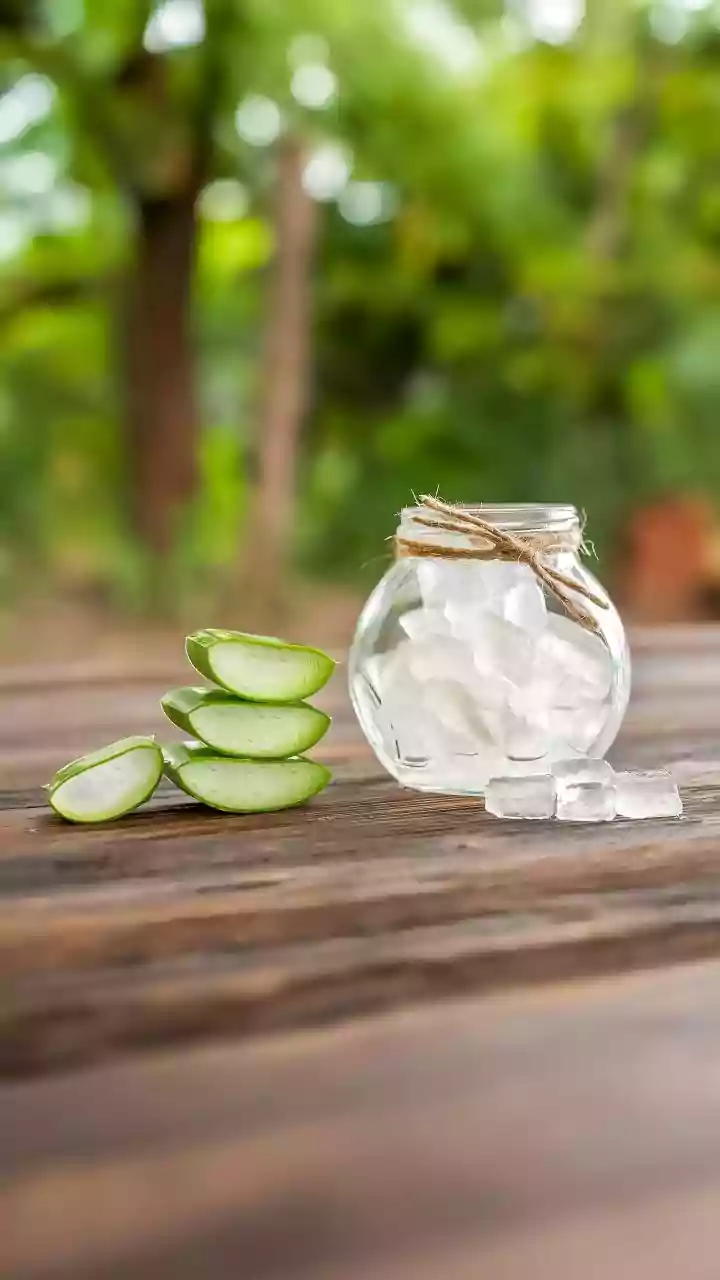
For skin that feels irritated or has recently been exposed to the sun, aloe vera is an excellent choice. Beyond its renowned cooling properties for sunburns, fresh aloe vera contains a compound known as aloin. Research indicates that aloe vera can naturally help in inhibiting melanin production, thus contributing to a gradual and safe lightening of pigmented areas over time. In a similar vein, tomatoes are packed with lycopene and possess mild natural acids. Applying a pulp made from mashed tomatoes can act as a gentle astringent, instantly refreshing and brightening your complexion, offering a welcome respite from sun-induced dullness.
Yogurt and Honey Hydration
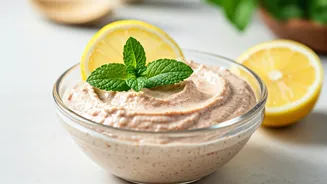
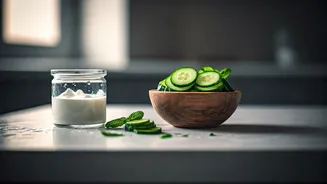
Yogurt, celebrated for its digestive benefits, is also a remarkable skincare ingredient. It's naturally abundant in lactic acid, a mild Alpha Hydroxy Acid (AHA). Rather than scrubbing, this lactic acid gently breaks the bonds holding dead, tanned skin cells together, facilitating the emergence of a fresh, luminous skin layer. When combined with honey, a natural humectant that draws moisture into the skin, you create a deeply hydrating mask. This combination ensures that the exfoliation process doesn't leave your skin feeling dry or stripped, promoting suppleness alongside brightness.