






Modern Life's Lung Toll
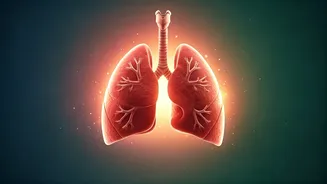
The hustle and bustle of modern, particularly urban, living is quietly taking a toll on our respiratory systems. Extended periods spent indoors, exposure
to traffic-induced air pollution, prolonged screen time, and the pervasive presence of stress all contribute to compromised lung function. Many individuals find themselves leading increasingly sedentary lives, with minimal physical activity that can lead to reduced lung expansion over time. This daily exposure to less-than-ideal environmental factors and lifestyle choices can gradually diminish the lungs' efficiency, a decline that often goes unnoticed until it becomes challenging to reverse. Experts highlight that this isn't about immediate illness, but rather a slow, insidious process that can impact overall health and vitality, making it crucial to recognize these early signals.
Breathing Well vs. Just Breathing
There's a fundamental difference between the automatic act of breathing and truly breathing well. While breathing itself requires no conscious effort, breathing well signifies that your lungs are functioning optimally to facilitate efficient oxygen intake and carbon dioxide expulsion, essential for sustaining your body's energy demands. Dr. Harish Verma, Associate Director of Pulmonary Medicine and Critical Care, explains that feeling 'okay' doesn't equate to peak lung performance. Even without overt breathlessness, your lungs might not be operating at their full capacity. This can manifest as slightly impaired oxygen exchange or less-than-smooth airflow. Over the long term, such imbalances can subtly impact your energy levels, concentration, and even your immune system's resilience, underscoring the importance of understanding this distinction.
The Purpose of Yawn and Sigh
Contrary to popular belief, frequent yawning, sighing, and taking deep breaths are not random occurrences; they often serve as subconscious physiological adjustments. When oxygen levels are perceived to be low, yawning can help the body rapidly inhale a larger volume of air. Sighing acts as a mechanism to reset breathing patterns that may have become shallow or irregular, especially during periods of stress or inactivity. Deep breaths are the body's way of ensuring that underutilized portions of the lungs are engaged and properly ventilated. In essence, these actions frequently represent the body's attempt to counteract shallow, rapid breathing patterns often induced by modern lifestyles, extended sitting, and mental strain, prompting the body to seek deeper, more effective respiration.
Silent Threats to Lungs
Several factors can stealthily diminish lung efficiency without presenting immediate, noticeable symptoms. Dr. Verma points out critical concerns such as a reduction in lung capacity, often linked to sedentary lifestyles that limit the lungs' full potential. Early stages of respiratory issues can lead to less efficient oxygen exchange, meaning less oxygen enters the bloodstream. Chronic inflammation of the airways, exacerbated by pollution, smoking, and allergies, can also impair lung function. Furthermore, a lack of physical activity can weaken the crucial respiratory muscles responsible for breathing. Research consistently links increased urban pollution to a decline in lung function, even in individuals who appear healthy, and warns of long-term exposure effects that precede any overt symptoms.
Subtle Signals to Heed
The body often communicates potential health issues through subtle signals before escalating to more obvious symptoms. Dr. Verma emphasizes that while these signs may seem minor, they warrant attention. These can include experiencing unexplained fatigue, feeling winded during light physical exertion, noticing an increase in yawning or deep breathing patterns, a decrease in stamina during exercise, or experiencing a persistent, mild cough. These understated indicators can be early whispers from your lungs, suggesting that their current functioning might not be optimal. Paying heed to these subtle messages can be instrumental in proactively addressing potential respiratory concerns before they develop into more significant problems.
Simple Steps for Healthier Lungs
Enhancing lung function doesn't necessitate drastic measures; small, consistent lifestyle adjustments can yield significant improvements. Engaging in daily physical activity, such as walking, jogging, or practicing yoga, helps to open up the lungs and improve their capacity. Incorporating deep breathing exercises, like diaphragmatic breathing, can enhance oxygen flow throughout the body. It's also vital to actively avoid polluted air by using masks in high-pollution areas and ensuring adequate ventilation in indoor spaces. For smokers, quitting is one of the most impactful steps for lung recovery. Lastly, seeking regular medical check-ups facilitates early detection of potential issues, preventing them from escalating. While not instant cures, these practices collectively contribute to stronger, more efficient lungs over time.