




The Damp Sponge Secret
Achieving that coveted, airbrushed finish with your foundation is simpler than you might think, and the key lies in your makeup sponge. The crucial first
step is to dampen it thoroughly. Instead of using a dry sponge, which tends to absorb product and leave an uneven texture, submerge your beauty blender or sponge in water until it noticeably expands. Once saturated, it's vital to squeeze out any excess water. This ensures the sponge is moist but not dripping, allowing it to blend product seamlessly into your skin without absorbing too much. A damp sponge creates a hydrating barrier, preventing your foundation from looking cakey or settling into fine lines, ultimately leading to a smoother, more natural appearance.
Bounce, Don't Drag
A common pitfall in foundation application is the tendency to drag or wipe the sponge across the face, much like scrubbing a surface. This friction, however, is detrimental to achieving a smooth base. Dragging can displace the foundation, leading to visible streaks and an uneven distribution of product. Instead, the most effective technique involves a gentle bouncing or stippling motion. By lightly tapping the sponge onto the skin, you are effectively pressing the foundation into your pores and creating a seamless blend. This method ensures product adherence and allows for controlled buildability, preventing any harsh lines and resulting in a beautifully diffused finish that looks like a second skin.
Invest in Quality
Not all makeup sponges are created equal, and the material and density of your tool significantly impact the final look. Opting for a cheap, stiff sponge can be a false economy. These inferior sponges often have a porous structure that aggressively soaks up a considerable amount of your foundation, leaving less product on your face and resulting in a patchy, uneven coverage. Furthermore, their rough texture can cause unnecessary friction and irritation. Investing in a high-quality, plush sponge, conversely, is a game-changer. These sponges are designed to be less absorbent, distribute product more evenly, and offer a much softer touch on the skin, leading to a visibly superior and more radiant complexion.
Mastering the Shape
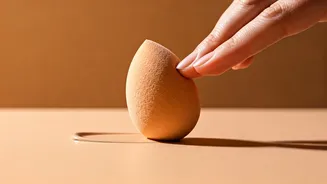
The iconic teardrop shape of many makeup sponges is not just for aesthetics; it's engineered for strategic application. The broader, rounded base is perfect for covering larger areas of the face, such as the cheeks, forehead, and chin. Its ample surface area allows for quick and efficient blending of foundation across these zones. The more tapered, pointed tip, on the other hand, is your secret weapon for precision work. This part of the sponge is ideal for navigating and blending foundation into those trickier, smaller areas, like the sides of your nose, around your eyebrows, and under your eyes. Utilizing these distinct parts of the sponge ensures comprehensive coverage and a polished look.
Sponge vs. Brush
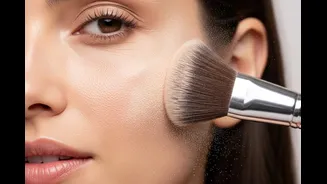
The age-old debate of sponge versus brush for foundation application continues, but a damp makeup sponge often emerges as the superior tool for a natural finish. While brushes can be effective for achieving full coverage, they sometimes leave behind subtle micro-streaks that can be noticeable in certain lighting. A damp sponge, however, excels at pressing the product into the skin. This stippling action ensures that the foundation is worked into the skin's texture rather than just sitting on top, creating a more integrated and natural-looking base. It's the ideal tool for blurring imperfections and achieving that 'your skin but better' effect, making it a go-to for everyday wear and a polished look.
The Foundation Backbone
Consider your makeup sponge the indispensable backbone of your entire makeup routine, a versatile tool that elevates any look. Whether you're aiming for a dramatic, full-glam masterpiece or a subtle enhancement with a tinted moisturizer, the sponge is your ultimate ally in achieving a flawless base. Its ability to seamlessly meld product into the skin ensures that your makeup looks like a natural extension of yourself, rather than a heavy mask. This consistent, reliable performance makes it the foundational element upon which all other makeup is applied, guaranteeing a smooth canvas for eyeshadow, blush, and contour.
Patience for Perfection
The pursuit of a flawless complexion with your foundation is not a race; it requires patience and a methodical approach. Remember the fundamental rule: bounce, don't rub. Employ light, stippling motions to gradually build up your desired coverage. This technique allows you to control the intensity of the foundation and ensure it is applied evenly without disturbing previous layers. Rushing the process can lead to uneven application and streaks, diminishing the overall effect. By taking your time and using these gentle, tapping motions, you can effectively layer product to conceal imperfections and enhance your skin's natural radiance, transforming your base from 'whoops' to 'wow'.
Cleanliness is Key
While cleaning your makeup tools might not be the most glamorous part of your beauty regimen, it is absolutely crucial for maintaining healthy skin and optimal makeup application. A dirty makeup sponge can become a breeding ground for bacteria, essentially a Petri dish teeming with microorganisms that can lead to breakouts and skin infections. To prevent this, commit to cleaning your makeup sponges with a gentle soap or cleanser at least once a week. Thoroughly rinse the sponge and allow it to air dry completely. Regular cleaning not only protects your skin from potential issues but also ensures that your sponge performs at its best, providing a fresh and hygienic application every time.