






Pet's Comfort First
Before you even think about booking a ticket or packing a bag, it's paramount to consider your pet's true enjoyment of travel. Some animals revel in new
surroundings and experiences, while others tend to become quite anxious or stressed when away from their familiar environment. A frank discussion with your veterinarian is crucial at this stage. They can offer expert advice regarding your pet's health status, their individual temperament, and any specific needs they might have, especially if your pet is elderly or managing a chronic medical condition. This initial step ensures that travel is a positive experience for your pet, not a source of distress.
Travel Mode Choices
Selecting the right mode of transport significantly impacts your pet's journey. Road trips generally offer the greatest degree of flexibility, allowing for frequent stops to cater to your pet's needs for breaks, hydration, and relief, all while keeping them close by your side. Air travel is another option, but it comes with a complex set of airline-specific regulations. These rules often pertain to the dimensions and type of carriers allowed, as well as mandatory vaccination statuses. It is imperative to thoroughly investigate these requirements well in advance and secure your bookings early to avoid any last-minute complications.
Accommodation & Destinations
Finding suitable lodging and understanding the pet-friendliness of your chosen destination are key to a smooth trip. Not all hotels or rental properties genuinely welcome animal companions; many impose restrictions based on size or breed. It's essential to verify their specific pet policies and any associated fees before making a reservation. Furthermore, research the general pet-friendliness of the area itself. Consider the availability of suitable walking paths, hiking trails, dog parks, and even pet-welcoming cafes that will allow you and your pet to explore and enjoy the locale together.
Essential Packing List
Packing a dedicated bag for your pet is non-negotiable. Ensure you include their regular food, favorite treats, any necessary medications, a sturdy collar with an identification tag, a reliable leash, portable food and water bowls, their familiar bedding, and any cherished toys. Bringing items that carry their scent from home can significantly aid in making them feel secure and comfortable in unfamiliar surroundings. Additionally, always carry proof of vaccinations or any required health certificates, as these may be requested at various points during your travels.
Vet Visits & Acclimation
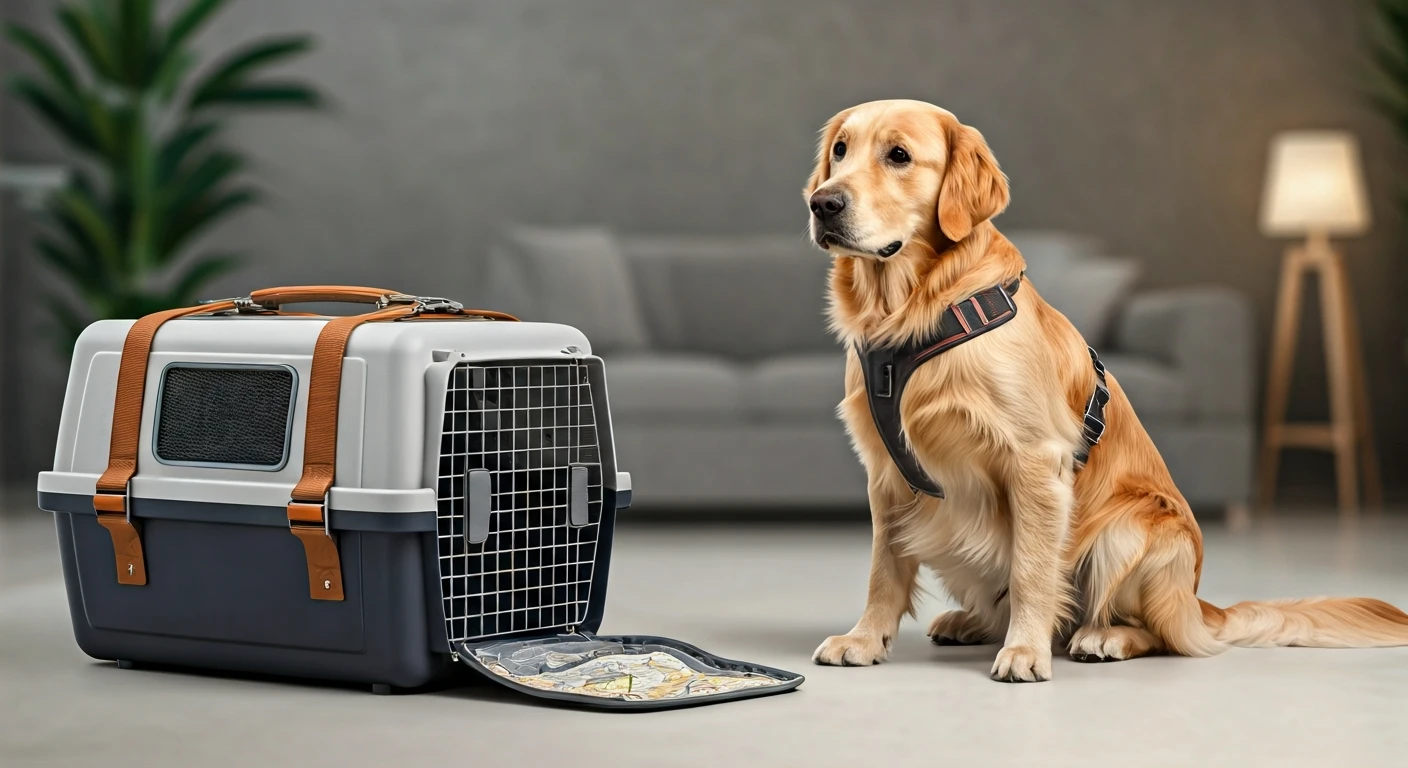
Proactive preparation involving your veterinarian is crucial. Schedule a visit well in advance of your departure to ensure all vaccinations are up-to-date, obtain any necessary health certificates, and discuss strategies for managing potential travel anxiety or motion sickness. If you plan to use a carrier during your journey, it’s highly beneficial to introduce it to your pet at home beforehand. Allow them to explore and become accustomed to it, transforming it into a perceived safe haven rather than a confinement device for the trip.
Flexibility & Patience
Even with meticulous planning, travel can present unexpected challenges, such as unforeseen traffic delays, inclement weather, or your pet experiencing discomfort. It's vital to build flexibility into your itinerary, incorporating frequent breaks for your pet. Continuously monitor their behavior and level of comfort, and be prepared to adjust your plans as needed. Maintaining a calm and adaptable demeanor on your part will significantly reduce stress for your pet, ultimately allowing for a more enjoyable and successful trip for everyone involved.