





Elevators Aren't Playgrounds
It's crucial to instill in children the understanding that elevators are functional machinery designed for safe transport, not for amusement. Their inherent
curiosity might lead them to view the moving cabin and buttons as a source of entertainment, but this perspective can be hazardous. Emphasize that jumping, roughhousing, or treating the elevator as a play area can compromise its mechanical integrity and endanger everyone inside. By explaining that an elevator's primary purpose is to move people between floors reliably, parents can foster a sense of respect for its operation and prevent potentially dangerous interactions.
Mastering Elevator Etiquette
Beyond basic safety, teaching proper elevator manners significantly contributes to a smooth and accident-free experience for all. A fundamental rule for children to grasp is the courtesy of allowing passengers to disembark before attempting to enter. The excitement of reaching a destination can often cause kids to rush towards the opening doors, increasing the risk of collisions or falls. Encouraging them to pause, step back, and wait for others to exit ensures a less chaotic boarding process and prevents accidental bumps or injuries.
Mind Your Step
Preventing trips and falls is a key aspect of elevator safety. Parents should encourage children to momentarily look down before stepping into or out of an elevator. This simple action is vital because the elevator floor might not always align perfectly with the building's floor, creating a subtle height difference that can easily cause a stumble if one is not paying attention. It's also important to ensure that loose items like untied shoelaces, dangling backpack straps, or overly long clothing do not get caught in the narrow gap between the elevator door and the wall. Prompting children to slow down and be aware of their surroundings can avert many minor injuries.
Button Smarts for All
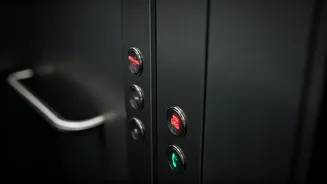
The array of buttons in an elevator often captivates young minds, but indiscriminate pressing can lead to disruptions. Children should be taught to select only the button corresponding to their intended floor. This prevents unnecessary stops and inconveniences for other passengers. Furthermore, it's essential to clarify the purpose of specialized buttons, such as the alarm or emergency call buttons. These are not to be toyed with but are exclusively for genuine emergencies, and their proper use should be reserved for critical situations.
Doors: Hands Off!
Elevator doors operate with speed and automation, and while modern lifts are equipped with sensors, these may not always detect very small children effectively. Therefore, it is imperative to educate children about maintaining a safe distance from the doors. They should never attempt to obstruct the doors' closing mechanism with their hands, feet, or belongings. Leaning on or touching the doors during their movement poses a significant risk of pinched fingers or entrapment, emphasizing the need for vigilant awareness around these moving parts.
No Roughhousing Inside
Transforming an elevator into a makeshift play area through jumping, leaning on doors, or excessive use of handrails can introduce safety concerns. Even seemingly innocent actions like bouncing can affect the elevator's delicate balance. Leaning against the doors can lead to instability, and rough handling of handrails might cause slips or falls. It is advisable for children to stand calmly while the elevator is in motion and to use handrails lightly for support only when necessary.
Emergency Preparedness
While elevator malfunctions are infrequent, knowing how to react calmly during an unexpected stoppage is vital. Modern elevators are equipped with safety features, and assistance is readily available. In the event of a sudden halt, panic should be avoided. Pushing all the buttons is counterproductive; instead, the designated help button should be used judiciously for real assistance. Rest assured, elevators are designed to remain secure, ensuring adequate ventilation while occupants await help.
Supervision is Key
Younger children should always be accompanied by an adult when using an elevator. Having a parent or guardian present ensures that children adhere to fundamental safety practices. An adult can provide guidance during unusual events and offer immediate assistance. This supervised setting also presents a valuable opportunity for parents to impart essential safety lessons, reinforcing responsible elevator usage in a practical, real-world context.
Habits for Daily Use
Elevators are ubiquitous in our daily lives, found in homes, offices, and public spaces. While generally very safe, imparting simple safety habits to children can prevent unforeseen incidents. With consistent supervision and by setting a positive example, parents can effectively teach children the correct and safe way to interact with elevators, making it a routine aspect of their day.