





Kikoi: East African Wrap
Originating from East Africa, the Kikoi is a versatile rectangular cloth draped around the body, often worn by both men and women. Its vibrant patterns
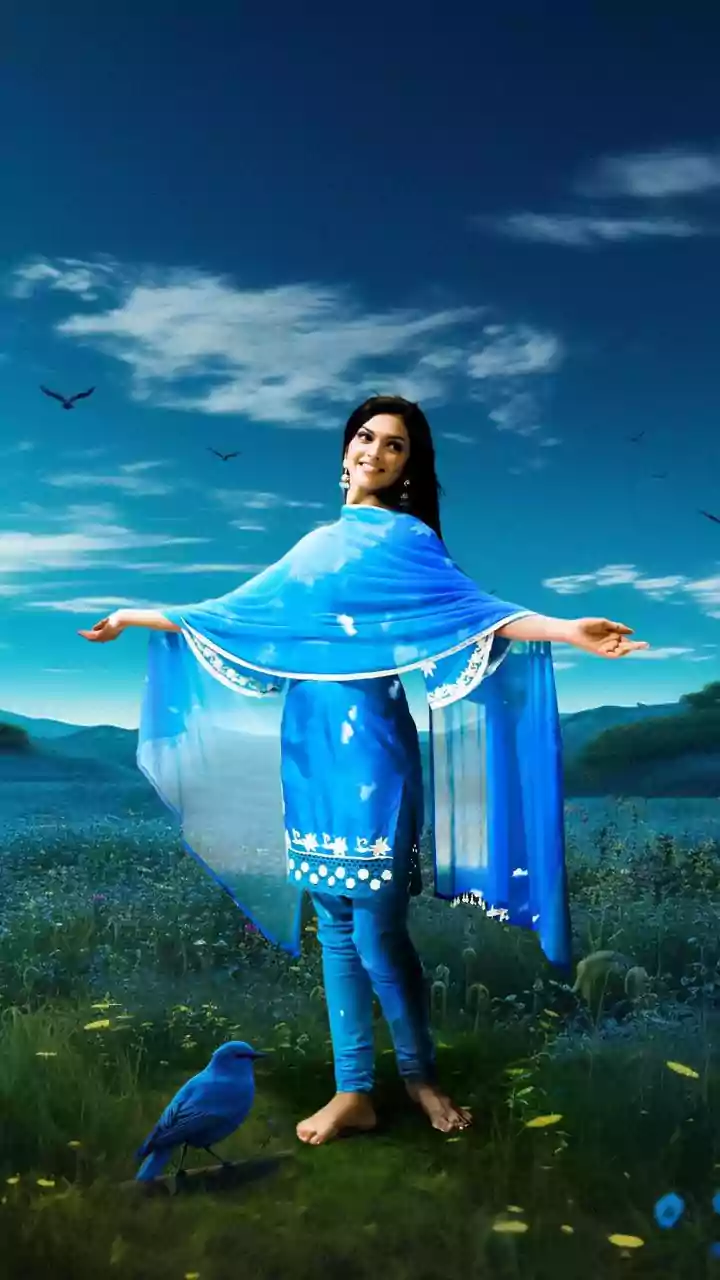
and the manner in which it's wrapped bear a resemblance to the way a saree is worn, offering a culturally rich alternative to traditional Indian attire. This garment, while not identical to a saree, captures a similar essence of draped elegance and is a staple in many East African wardrobes for both daily wear and more formal occasions, reflecting a shared human inclination towards flowing, body-enveloping textiles.
Sarong: Southeast Asian Staple
Prevalent in Southeast Asian nations like Indonesia and Malaysia, the Sarong is a cylindrical or rectangular piece of fabric that is wrapped around the waist and secured. It's a ubiquitous garment, seen in both casual settings and at formal gatherings. The simplicity and adaptability of the sarong's wrap make it akin to a saree in its fundamental function of being a draped garment. Available in a vast array of colors, patterns, and materials, the sarong serves as both everyday wear and ceremonial attire, underscoring its significance in the region's cultural fabric and its similarity in draping style to the saree.
Nepali Sari: A Regional Variation
While distinct from its Indian counterpart, the Nepali version of the saree, often referred to as the 'gunyo cholo' or Nepali saree, shares the core concept of a draped garment. The key differences lie in the regional styling and how it's worn, frequently incorporating a distinct blouse as an integral part of the traditional ensemble. This adaptation reflects local customs and aesthetic preferences, demonstrating how a fundamental garment type can evolve while retaining its essential character, much like the evolution of the saree itself across different Indian states.
Fustanella: Greek Kilt-like Garment
Though traditionally a male garment in Greece, the Fustanella, a knee-length pleated skirt, possesses a visual dynamism reminiscent of a saree's flowing nature. Its construction, featuring numerous folds and a wrap-around style, evokes a sense of gathered fabric that mirrors the pleats and drapes of a saree. While its purpose and gender association differ, the aesthetic appeal of its voluminous, draped form connects it conceptually to the elegance of saree draping, showcasing how different cultures use fabric to create expressive silhouettes.
Huipil: Mexican Tunic Style
The Huipil, a traditional garment from Mexico worn by indigenous women, is essentially a loose-fitting tunic, often crafted from cotton or wool and embellished with intricate embroidery. Its free-flowing form and the vibrant, often symbolic, patterns adorning it echo the aesthetic qualities of a saree. While it's not wrapped in the same manner, the comfortable, unrestrictive silhouette and the artistry in its design parallel the visual appeal and cultural significance associated with sarees, highlighting a shared appreciation for artistic textile expression.
Saraf: Egyptian Ceremonial Wear
In certain parts of Egypt, the Saraf is a garment that presents a resemblance to the saree. It is characterized as a long, flowing piece of fabric, often reserved for ceremonial occasions. Regional variations in fabric choice and color palette distinguish it, much like the diverse sarees found within India. The Saraf's elegant drape and its use in special events position it as a culturally significant textile that shares a conceptual kinship with the saree's role in celebrations and rituals across different societies.
Kimono: Japanese T-Shaped Robe
The iconic Japanese Kimono, with its T-shaped construction and wrap-around style, shares similarities with the saree, particularly in its ceremonial use and often ornate, vibrant patterns. While the method of wearing and fastening is distinct, the overall impression of a gracefully draped, patterned fabric remains. Both garments are deeply embedded in cultural traditions and are frequently worn for significant events, signifying a shared human practice of using elaborately decorated textiles to mark important occasions and express cultural identity.
Sri Lankan Saree: Unique Drape
Sri Lanka's take on the saree offers a distinct variation from the Indian style. Traditionally worn without a blouse, it features a specific draping technique that often leaves the midriff exposed. It is commonly paired with a jacket or a shawl, showcasing a unique regional interpretation of this classic garment. This stylistic difference highlights the adaptability of the saree concept and how cultural nuances can lead to diverse yet recognizable forms of traditional dress, maintaining the draped aesthetic while incorporating local fashion sensibilities.
Pagne: West African Wrap Skirt
The Pagne, a vibrant and colorful fabric worn across West African countries like Ivory Coast, Mali, and Senegal, functions as a wrap-around skirt or dress. The way it is secured and draped around the body shares a striking resemblance to saree draping, especially when worn for formal occasions. This garment exemplifies the universal appeal of using a single piece of cloth for versatile and elegant attire, underscoring a common thread in global textile traditions where simple materials are transformed into culturally rich and visually appealing garments.
Chiton: Ancient Greek Drape
The Chitón, an ancient garment from Greece worn by both men and women, involved wrapping a long piece of fabric around the body and securing it at the shoulders. This fundamental draping technique bears a conceptual similarity to the saree, albeit in a simpler form. It represents an early manifestation of using a single cloth to create versatile and flowing attire, predating many modern draped garments but sharing the essential principle of elegant fabric manipulation that defines the saree and its global counterparts.