





Protein's True Role
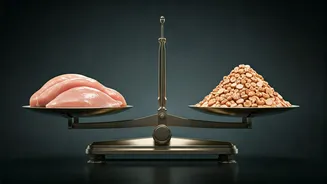
Protein is frequently championed as a primary driver for shedding pounds, but its effectiveness in this regard is nuanced. For protein to actively support
fat loss, the body needs a direct physiological demand for it, primarily to build or repair muscle tissue. When protein consumption increases without a corresponding rise in muscle-building activities, such as strength training, the excess protein doesn't simply vanish. Instead, it contributes to the overall calorie intake, and a calorie surplus is the fundamental cause of weight gain, regardless of the macronutrient source. Therefore, simply consuming more protein isn't inherently beneficial for weight management unless the body is primed to utilize it for muscle synthesis and repair.
Exercise: The Muscle Signal
The idea that higher protein intake automatically translates into increased muscle mass is a misconception. Clinically speaking, protein is most potent for fat loss when the body actively requires it for muscle development. This requirement is triggered by specific stimuli. Strength or resistance training sends a signal to the body, prompting it to build or maintain muscle tissue. In the absence of such signals, the body will utilize protein for its basic metabolic functions or store it as energy. It's the exercise that dictates how protein is used by the body, not the protein alone that creates muscle. This is a vital distinction for understanding why some individuals might experience weight gain even with increased protein consumption.
High-Protein Diets & Weight
The paradox of gaining weight on high-protein diets often arises from a common practice: significantly boosting protein intake through shakes, bars, or larger meal portions without altering activity levels. This discrepancy leads to consuming more calories than the body expends. While high-protein foods are generally healthy, they still contain calories. Overconsumption in this area can negate fat loss efforts or, conversely, lead to an increase in body weight. Similar to carbohydrates and fats, protein contributes to the body's energy balance. When the intake of protein surpasses what the body requires for essential functions like repair, immune support, and basic metabolism, the surplus energy is stored, potentially as fat, thereby hindering weight management goals.
Optimal Protein Intake
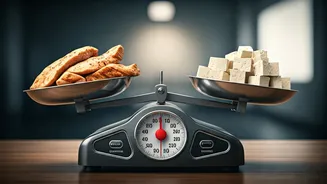
For the majority of adults, the most effective strategy for protein consumption involves distributing it evenly across meals throughout the day. A target of approximately 20–30 grams of protein per meal is generally sufficient to support muscle repair and promote satiety, provided that the individual is physically active. Consuming protein far beyond these recommended amounts, exceeding the body's actual needs, does not confer any additional benefits. Focusing on a balanced intake that supports bodily functions and satiety, rather than excessive consumption, is key to harnessing protein's positive effects on health and weight management.
Strength Training's Impact
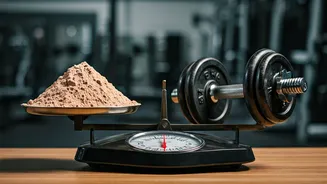
Strength training plays an indispensable role in directing protein towards muscle tissue, thereby preventing its potential storage as fat. Engaging in as few as two to three strength training sessions per week can yield significant benefits, including a boosted metabolism, an increase in lean body mass, and the support of healthy fat loss. Protein should be viewed as a component of a comprehensive weight management strategy, not as a standalone solution or a shortcut. The most effective approach combines conscious protein intake with consistent strength training and an awareness of overall caloric consumption. Merely increasing protein without incorporating exercise often leads to disappointment rather than the desired outcomes.