





Embracing Automation
Japan is modernizing its airports with cutting-edge automated immigration gates, a move designed to accelerate passenger flow and support its ambitious
tourism goals, aiming to welcome 60 million visitors by 2030. These sophisticated systems leverage facial recognition technology, allowing travelers with biometric passports to pass through swiftly. By comparing the data in your passport's chip with real-time facial scans, the gates verify your identity and grant passage without the need for direct human interaction. This technological advancement is a key component of Japan's strategy to enhance travel facilitation while maintaining robust border security. The system works by a seamless comparison between the facial image stored within your passport's integrated circuit chip and the image captured by the gate's camera. A successful match and clearance result in the automatic opening of the gate, enabling a smooth transition for the traveler.
The Stamp Dilemma
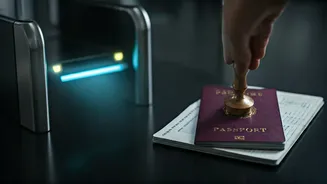
While the efficiency of these automated gates is undeniable, a common consequence is the absence of a traditional passport stamp. Because the system processes arrivals and departures digitally upon successful facial recognition, there's no manual inspection point where the iconic stamp is usually applied. For many, these stamps are cherished mementos, tangible proof of journeys taken and adventures had. The digital processing means that your entry or exit is recorded electronically, leaving no physical mark in your passport if you opt for the automated route. This can be a bit disappointing for travelers who enjoy collecting these visual records of their international excursions.
How to Get Your Stamp
Fear not, stamp collectors! Japan's immigration authorities have made it possible to still acquire that coveted passport stamp, even with the widespread use of automated gates. The key is to act immediately after clearing the automated gate. If you are departing Japan, approach an immigration officer stationed nearby or at the inspection office before you board your flight. Similarly, upon arrival, request your stamp from an officer before proceeding to customs. It is crucial to understand that these stamps cannot be requested retroactively. Once you have exited the designated immigration area, whether by heading to your gate or completing customs, officials will no longer be able to issue a stamp. Therefore, making your request promptly is essential for securing this traditional travel souvenir.
Stamps Beyond Souvenirs
While many travelers desire passport stamps purely as keepsakes, immigration authorities highlight that these official marks can also serve practical administrative purposes. In certain situations, having an official travel record documented in your passport can be invaluable. This includes requirements for visa applications to other countries, tax exemption procedures for non-residents, managing pension insurance documentation, and facilitating residency registration processes within Japan. Additionally, these stamps can be helpful for specific administrative procedures when returning to your home country. Should you find yourself needing an official record of your travel, and if a stamp wasn't obtained, immigration authorities can also provide official travel records upon request, though obtaining the stamp directly is usually the simplest method.
Gate Eligibility
The automated facial recognition gates are available to a specific group of travelers who meet certain criteria. To use these gates, you must possess an IC (biometric) passport and be capable of operating the machine independently. For foreign nationals, there's also a height requirement of at least 135 cm. Additionally, to use the automated gates for departure, you must have entered Japan under Temporary Visitor status. In cases where the system cannot successfully verify your identity, you may be directed to a manual immigration counter. Despite the modernization, travelers who appreciate the tradition of passport stamps can still obtain one, provided they remember to request it from an officer before leaving the immigration zone.