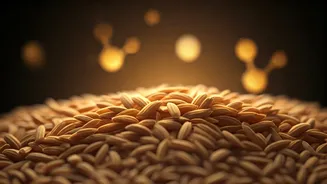







A Nutritional Makeover
In a significant leap for dietary science, researchers at CSIR – National Institute for Interdisciplinary Science and Technology in Thiruvananthapuram,
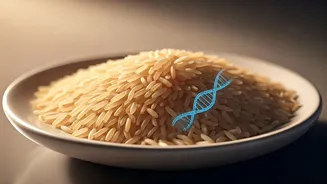
Kerala, have developed an extraordinary variant of rice. This isn't just ordinary rice enhanced with surface coatings; it's a complete nutritional re-engineering. Traditional rice, a primary carbohydrate source for over half the world's population, is often high in starch, which the body rapidly converts to sugar, posing challenges for metabolic health and contributing to the global rise in type 2 diabetes. This new 'designer rice' aims to fundamentally address these issues by deconstructing the grain's primary components – starch, protein, and fiber – and meticulously reassembling them. The result is a nutrient-dense food that retains the beloved taste and cooking characteristics of conventional rice while offering a significantly improved nutritional profile, presenting a proactive, structural solution for enhanced well-being.
The Science of Reassembly
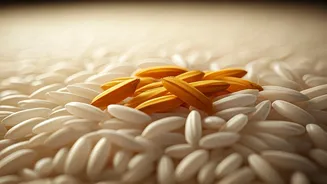
The innovation behind this designer rice lies not in genetic modification, but in sophisticated food-processing technology. Scientists ingeniously utilize broken rice, typically a lower-value commodity, by grinding it into a flour. This flour is then expertly blended with vital protein sources and essential micronutrients, including iron, folic acid, and vitamin B12. Through a process of reformation, this enriched mixture is shaped back into grains that are indistinguishable from regular rice in appearance, texture, and taste. Dr. C. Anandharamakrishnan, Director of CSIR-NIIST, likens the process to rebuilding a house: if regular rice is made predominantly of 'sugar bricks' (starch), this team has taken the house apart, replaced a substantial portion of the starch with strong 'protein beams', and rebuilt it into a more robust structure. This fundamental re-architecture ensures the rice is a superior nutritional choice without requiring any cultural or culinary adjustments from consumers.
Key Health Benefits
The advantages of this scientifically crafted 'designer rice' are multifaceted, primarily focusing on metabolic health and nutritional intake. Crucially, it boasts a low glycemic index (GI) of below 55, which means it releases energy gradually into the bloodstream, thereby preventing the sharp sugar spikes that are detrimental for individuals managing diabetes. Furthermore, its protein content is dramatically elevated, soaring to over 20 percent compared to the 6–8 percent found in standard rice. This substantial increase in protein contributes to greater satiety and supports muscle health. Beyond protein, the rice is fortified with essential micronutrients like iron, folic acid, and vitamin B12, directly integrated into its structure. This fortification acts as a defense against nutritional deficiencies, such as anemia, making it a more complete food source.
Bridging Nutritional Gaps
This 'designer rice' holds immense potential to positively impact protein intake, especially for populations where rice is a dietary cornerstone. By enhancing a staple food with significantly more protein, it helps bridge everyday nutritional gaps, proving particularly beneficial for vegetarians or individuals with limited access to diverse protein sources. While it is not intended to replace other protein-rich foods like legumes, dairy, or eggs, it serves as a valuable and convenient dietary addition. Regular consumption can lead to improved muscle maintenance, a prolonged sense of fullness, and more stable energy levels throughout the day. The availability of this rice is further bolstered by the successful transfer of technology to major industry players like Consumer Products Limited, paving the way for its commercialization and widespread accessibility in local grocery stores, ensuring that this nutritional upgrade can reach millions.